Both are united by patience, perseverance, and the ability to pursue a goal over the long term, even when not every day goes according to plan. In both, Anna is accompanied by Latvia as well, a country where she did not grow up, but with which her connection has become increasingly important over the years.
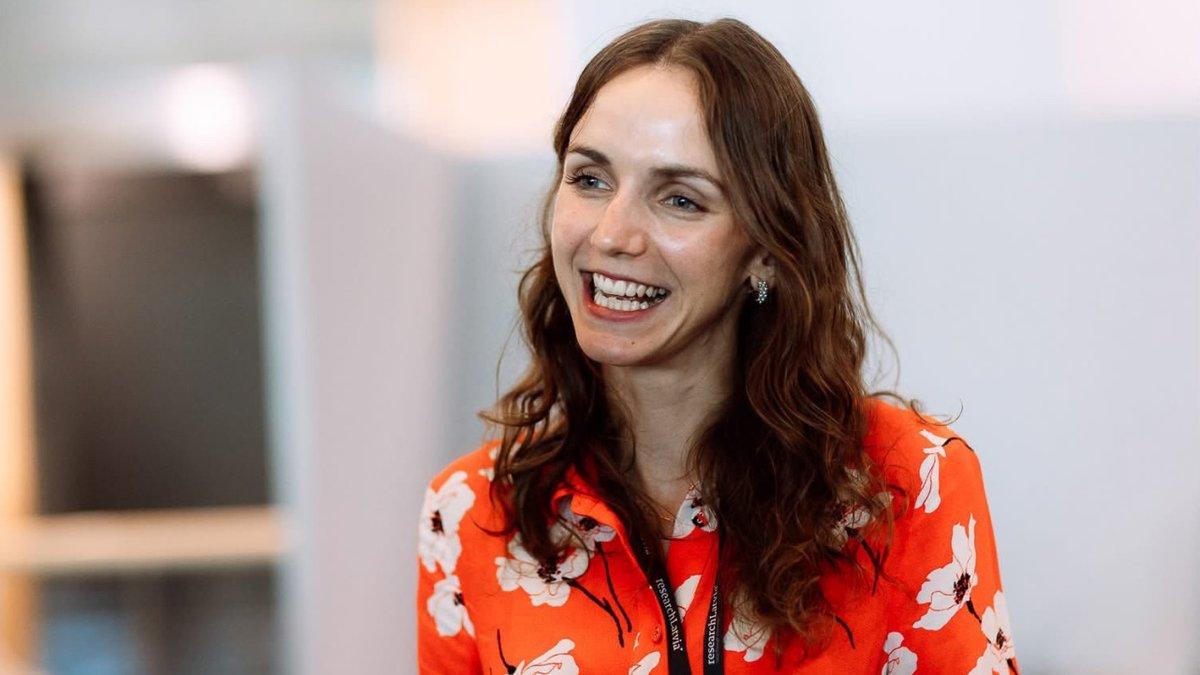
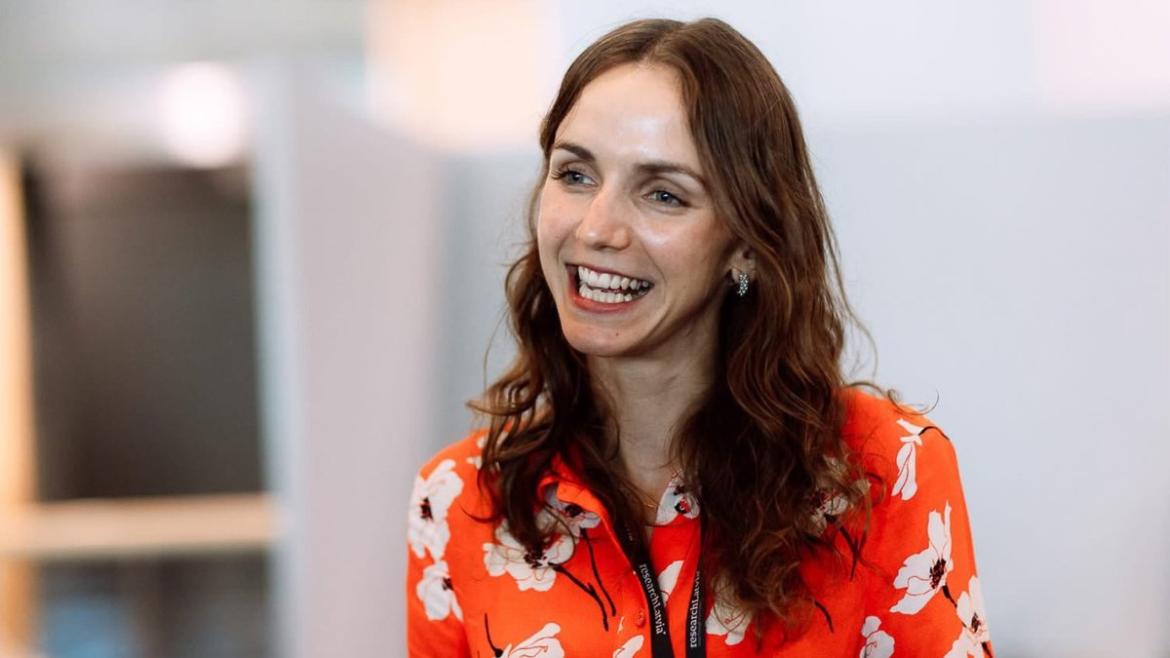
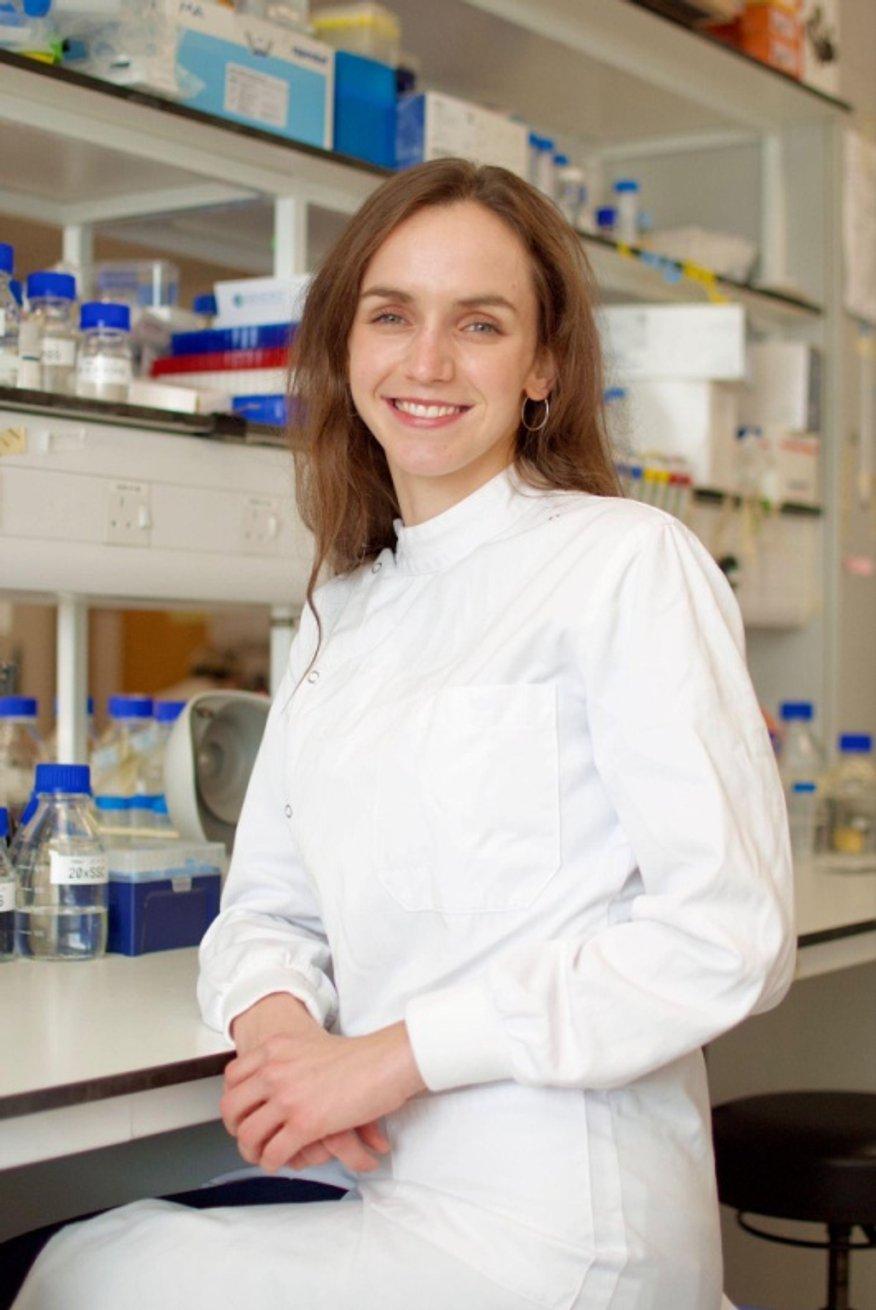
Dr. Anna Kļučņika is a graduate of the University of Cambridge, a biologist, and a scientist specialising in gene editing and molecular biology. She currently works as a Project Manager at the biotechnology company “Laverock Therapeutics” in Cambridge, where she leads a team engaged in cell editing on a daily basis. Her research interests include mitochondrial and nuclear DNA, as well as the latest gene-editing technologies that could help make cell therapies more accessible to patients in the future.
“I currently live in Cambridge, work in a laboratory as a project manager, and lead a team where we work on cell editing every day. Alongside that, I coach both myself and other athletes. Quite a lot has changed,” says Anna.
A Connection to Latvia Did Not Come Easily
Anna moved to the United Kingdom when she was just one year old, and during her childhood, being Latvian was far from something she took for granted. Her parents spoke Latvian with her, but Anna often replied in English. Attending the Latvian school in London on Sundays from the age of nine initially felt more like an obligation than a privilege.
“I understood everything in Latvian, but I always replied in English. And of course, at nine years old, going to Latvian school on a Sunday to study, who would want that?” she recalls.
The turning point came later through the Latvian school, summer camps, and the European Summer School. There, she found a circle of friends and an environment in which being Latvian was no longer just the language spoken at home.
“That was when I began to realise that I am Latvian too. As I grew older, it became important to me that I speak Latvian and that I have this Latvian identity, which I try to nurture as much as I can.”
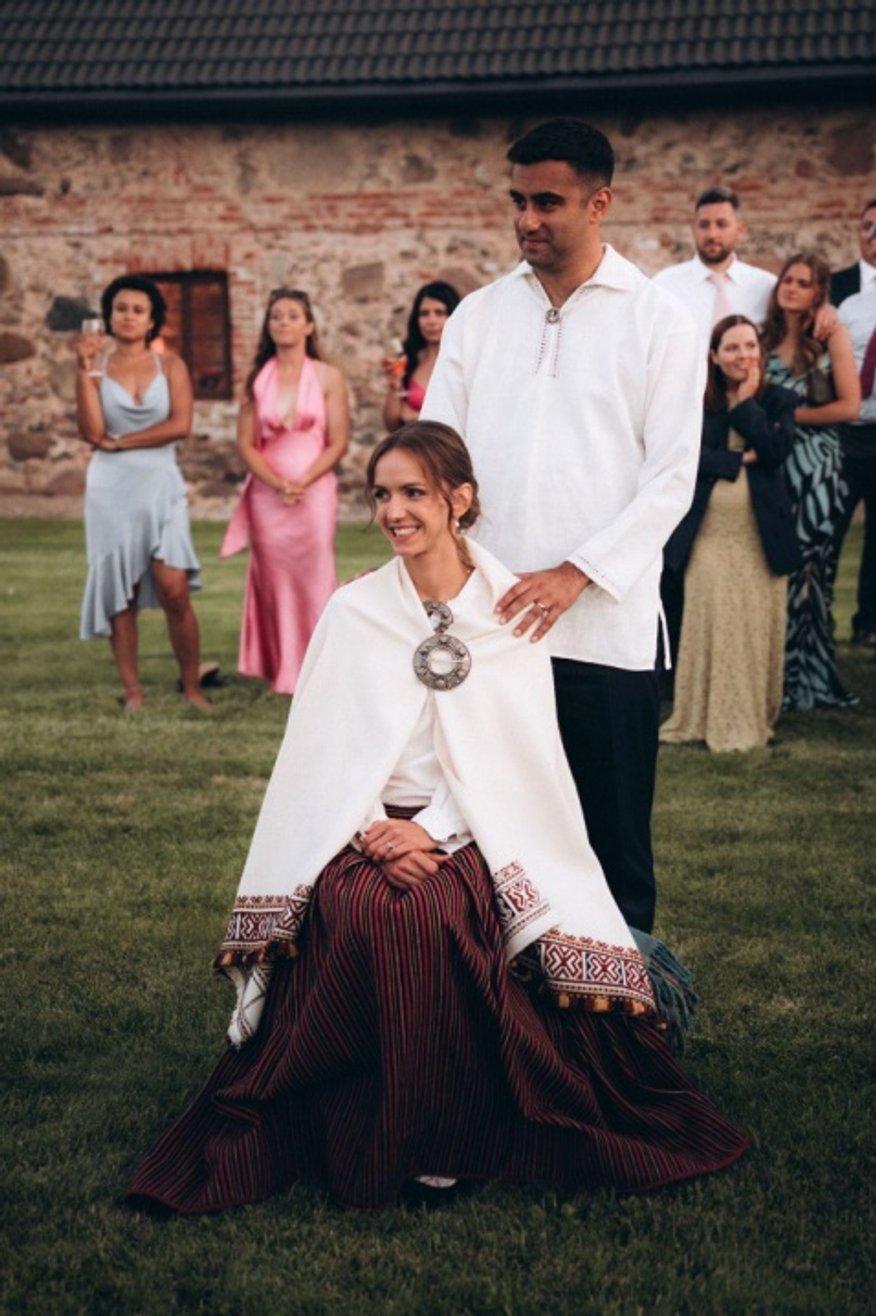
Today, this connection is expressed in very practical ways. This year, Anna chose to celebrate her wedding in Latvia, inviting her husband’s British family and friends from various parts of the world. For many of the guests, it was their first encounter with Latvia.
“Before the wedding, I was asked questions about what the weather would be like, what Latvia is like, what Riga is like. Especially among the older generation, perceptions were sometimes still linked to the Soviet era. Then they arrived and were surprised by how modern Riga is, and how clean and beautiful everything is. I think you can tell people a lot about Latvia, but you can only truly understand it when you come here yourself.”
Bringing Knowledge and Experience from Cambridge to Latvia
For several years now, Anna has been considering how to connect her professional experience more closely with Latvia. She does not yet have a definitive answer, but the first steps have already been taken. She has participated in the World Congress of Latvian Scientists and other professional forums that bring together researchers working both in Latvia and abroad.
Anna considers such connections to be one of the most important prerequisites for collaboration.
“I think it is important to create spaces where people can meet, researchers and scientists both in Latvia and abroad. It is only through conversation that you can understand where interests overlap and how people can support one another. Ideas often emerge precisely from these kinds of discussions.”
When thinking about her potential contribution to Latvia in five or ten years’ time, Anna first mentions young people. She would like to pass on not only knowledge, but also the confidence that an international career in science is within reach.
“As someone growing as a researcher, it would be important for me to help young people understand the opportunities available to them and give them the confidence to believe that they can achieve anything. Not only to study in Latvia or abroad, but also to seek grants and funding and apply for different opportunities. Perhaps my contribution could be mentoring, helping with applications, English language support, or simply sharing my experience.”
From Someone Who Disliked Sports to Latvia’s Champion
While science had been part of Anna’s life for many years, sport entered it much later. During her school years, she did not consider herself an athletic person at all.
“I didn’t like sports at school. I liked swimming because you’re on your own and can simply do your own thing. The PE teachers always placed me somewhere at the back.”
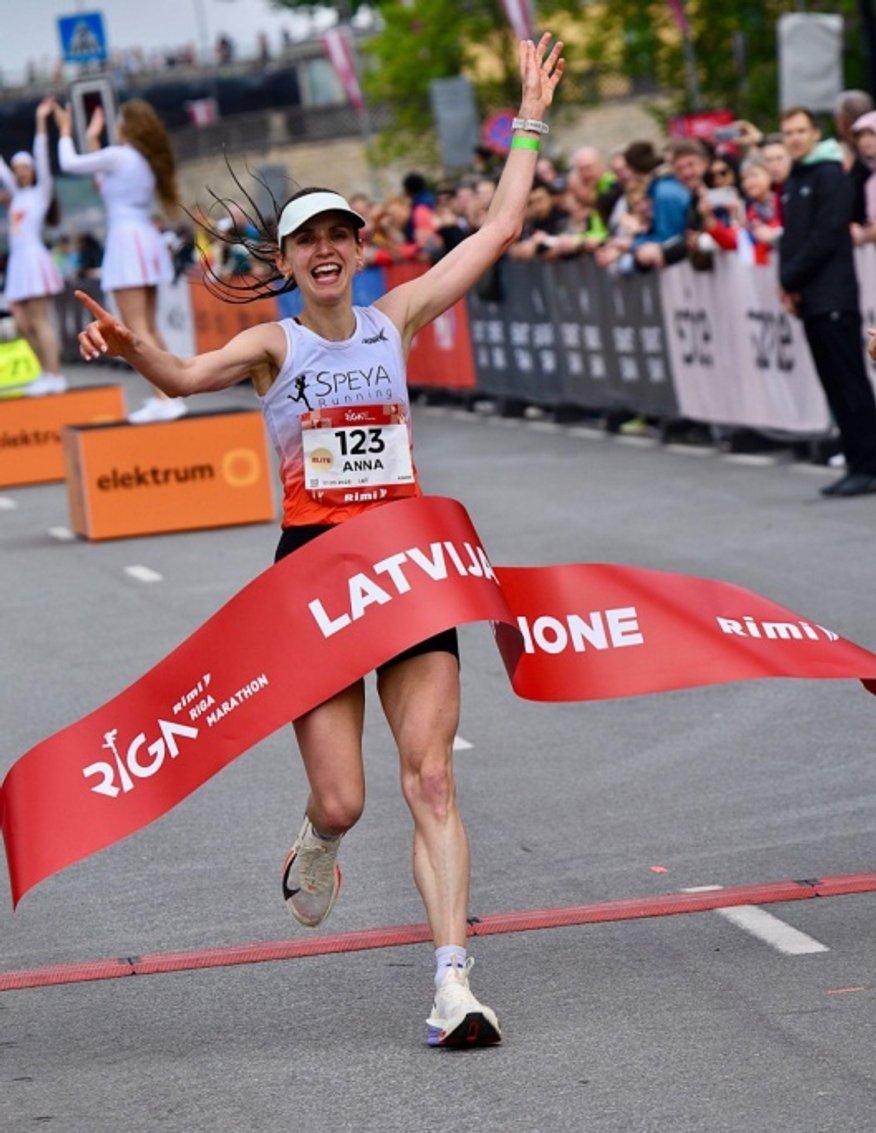
Running initially became a way to cope with the pressures of doctoral studies and experimental research. Gradually, it evolved from a stress-relief activity into a serious passion. At the 2022 Rimi Riga Marathon, Anna became the Latvian marathon champion, and she is currently preparing for the Chicago Marathon, hoping to improve her personal best.
Recently, a Facebook memory reminded her that she had run her very first half marathon exactly 12 years ago. Since then, she has completed the London and Riga marathons, won the title of Latvian champion, and embarked on a new path as a coach.
“It started quite simply. I always wrote my own training programmes, and then I began helping friends and colleagues. One day, my neighbour told me that her dream was to write a book. I replied that I would like to become a running coach. She asked, ‘Why not?’ And I thought, indeed, why not?”
Anna has now also acquired coaching skills and sees running as another field in which she could contribute to Latvia in the future.
She is pleased that there are many more runners on Latvia’s streets today than there were ten years ago. She is particularly fond of the unwritten tradition among runners of greeting one another.
“Latvians are usually quite reserved, so at first I was surprised that runners greet each other. But I suppose we understand that we are part of the same community. I hope that in another five years, even more people in Latvia will be running.”
Science and Sport: More Similar Than They Seem
At first glance, gene editing and marathon running may appear to belong to two entirely different worlds. However, Anna sees many similarities between them.
“Both require patience and perseverance. In a PhD programme, research projects can take years. Not everything works every day, but you have to keep the bigger question you are trying to answer in mind. Running is exactly the same. You can have a bad training session and feel as though you will never improve your result. But the most important thing is to do the small things every day that move you closer to your goal.”
Science and running continue to coexist in Anna’s daily life, and in both fields she is still searching for her next goals. Professionally, one of her ambitions is to build a stronger connection with Latvia through collaboration, knowledge exchange, and support for young scientists.
She also has no intention of stopping her running journey. Her focus is currently on the next marathon, but in the longer term Anna increasingly sees herself in the role of a coach as well, helping others achieve the goals they set for themselves.
The project “Working for Latvia – highlighting diaspora stories and current affairs in Latvia” is co-financed by the Media Support Fund from the Latvian state budget. The content of this publication is the responsibility of “Latviesi.com”.