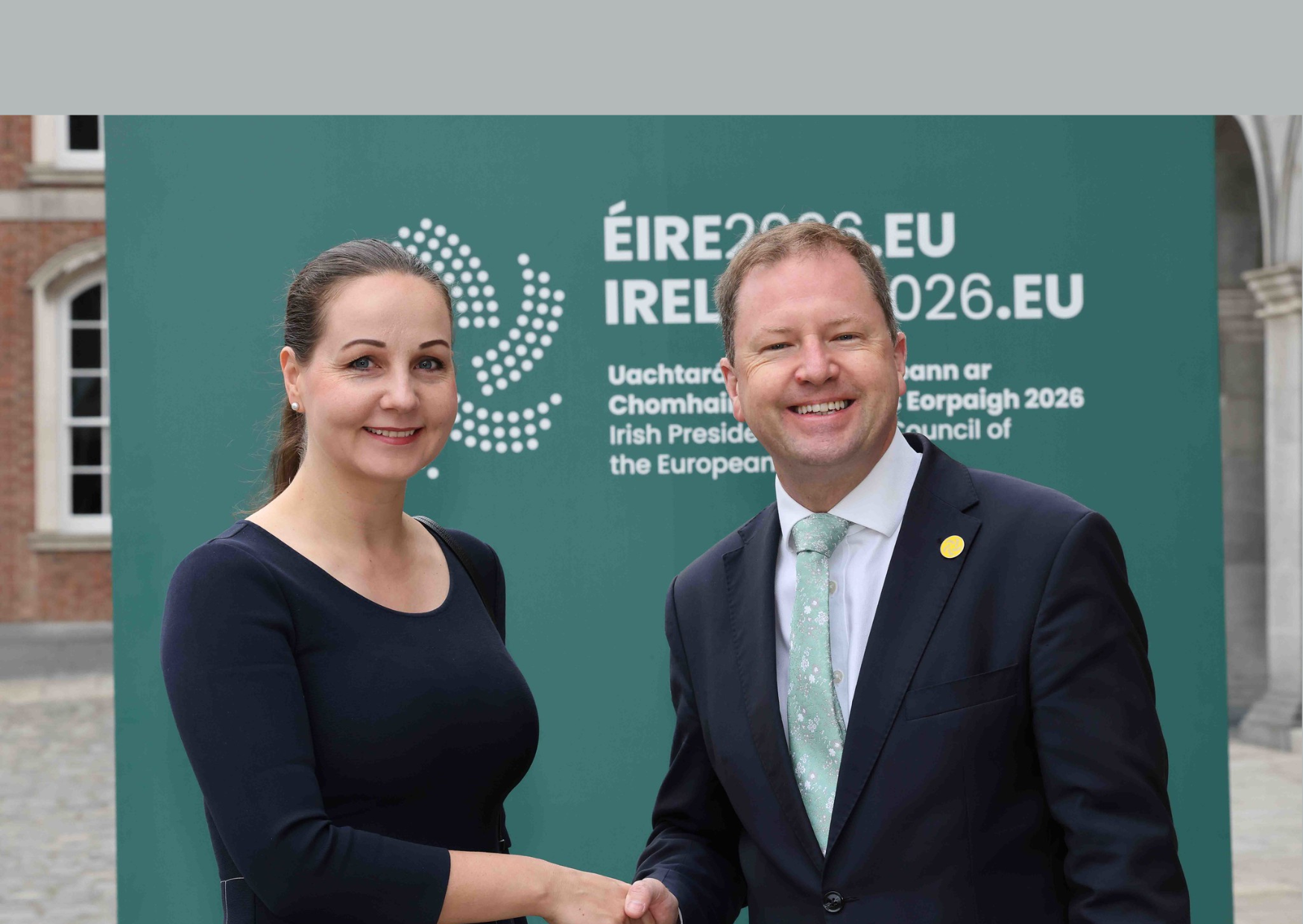
On 20 and 21 July this year, an informal meeting of European Union research ministers took place in Dublin, Ireland, where Latvia was represented by Ieva Siliņa, Parliamentary Secretary of the Ministry of Education and Science (MES).
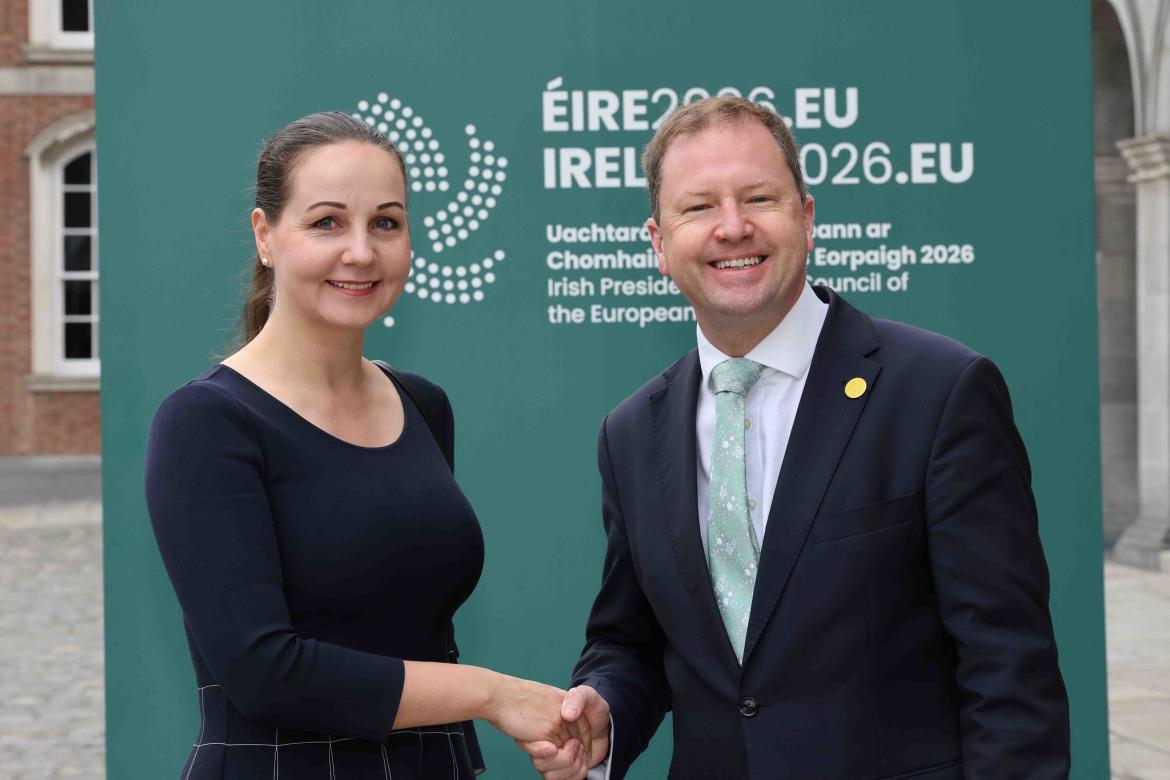
The main aim of the meeting was to agree on the political guidelines for the proposal for the European Research Area (ERA) Act, in order to strengthen the single market in research and innovation by the end of 2027. The meeting discussed the free circulation of knowledge, research and innovation in the EU, as well as how research and innovation can help Europe become more globally competitive and productive.
At the meeting, Latvia advocated targeted support in the “Horizon Europe” programme for 2028–2034 for countries with less-developed research and innovation systems, which would reduce the innovation gap and promote capital attraction. At the same time, Latvia emphasised that it does not support setting mandatory research and innovation investment targets for EU Member States.
“A strong and unified European Research Area is possible only if we are able to ensure a balanced circulation of talent. It is important for Latvia that European instruments provide targeted support specifically for building the capacity of these systems and overcoming the innovation gap, thereby creating equal and motivating opportunities for all Member States,” says Ieva Siliņa, Parliamentary Secretary of the Ministry of Education and Science.
Latvia also supports measures aimed at the valorisation and commercialisation of science, supporting the strengthening of the European Innovation Council and linking “Horizon Europe” instruments with the new European Competitiveness Fund. Latvia called for stable funding for fundamental research, which forms the knowledge base for future innovations.
At the meeting, Latvia presented the national interdisciplinary research and innovation platform “BioPhoT” as a successful example of effective cooperation between government, scientists and industry. The aim of the platform is to develop innovative, market-ready technologies in biomedicine, medical technologies, pharmacy, photonics and smart materials by 2032. This inclusive approach makes it possible to effectively use research strengths by bringing together the best talents even in conditions of limited resources.
More information about the meeting and its agenda is available on the website of the Council of the EU.