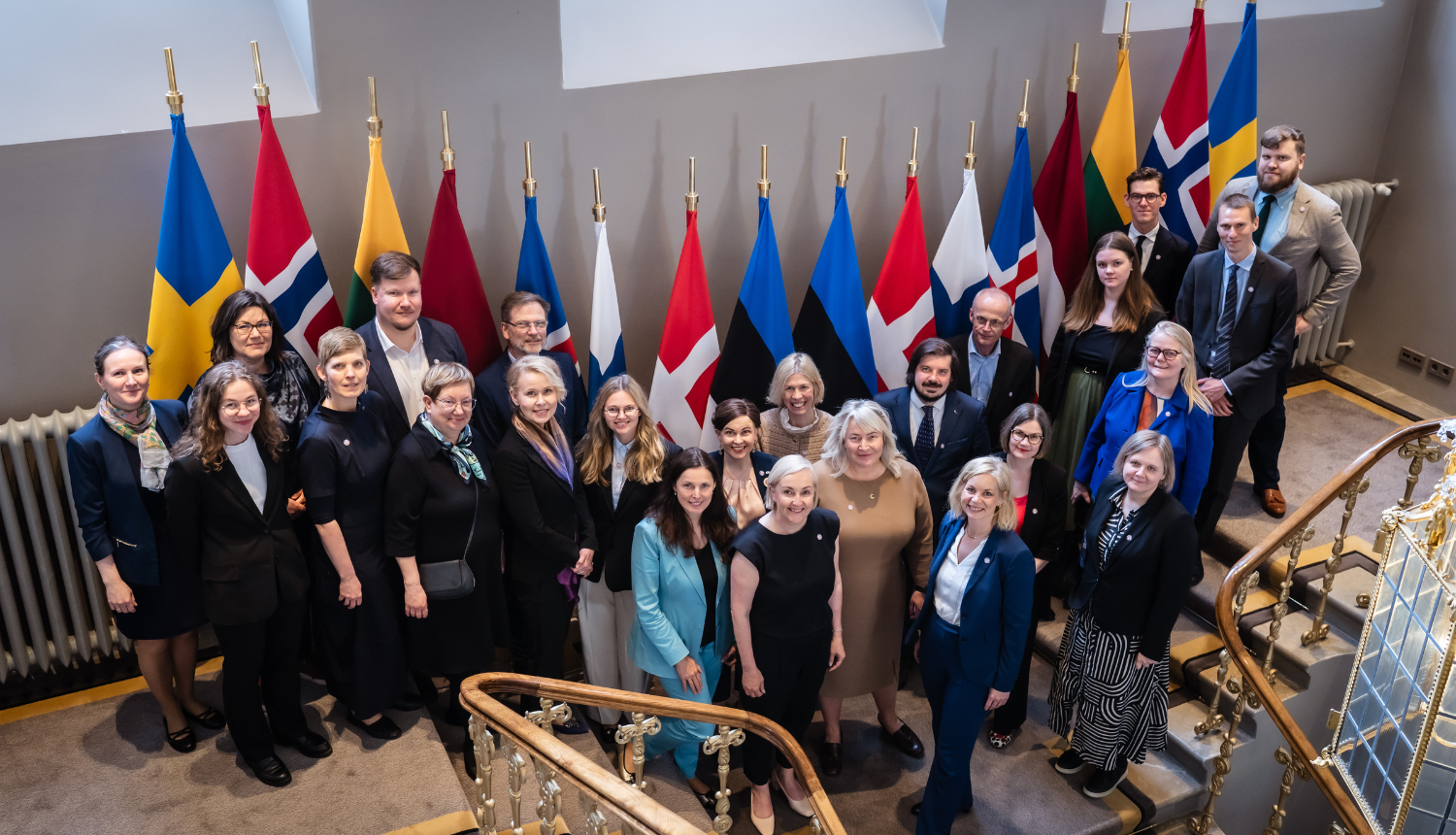
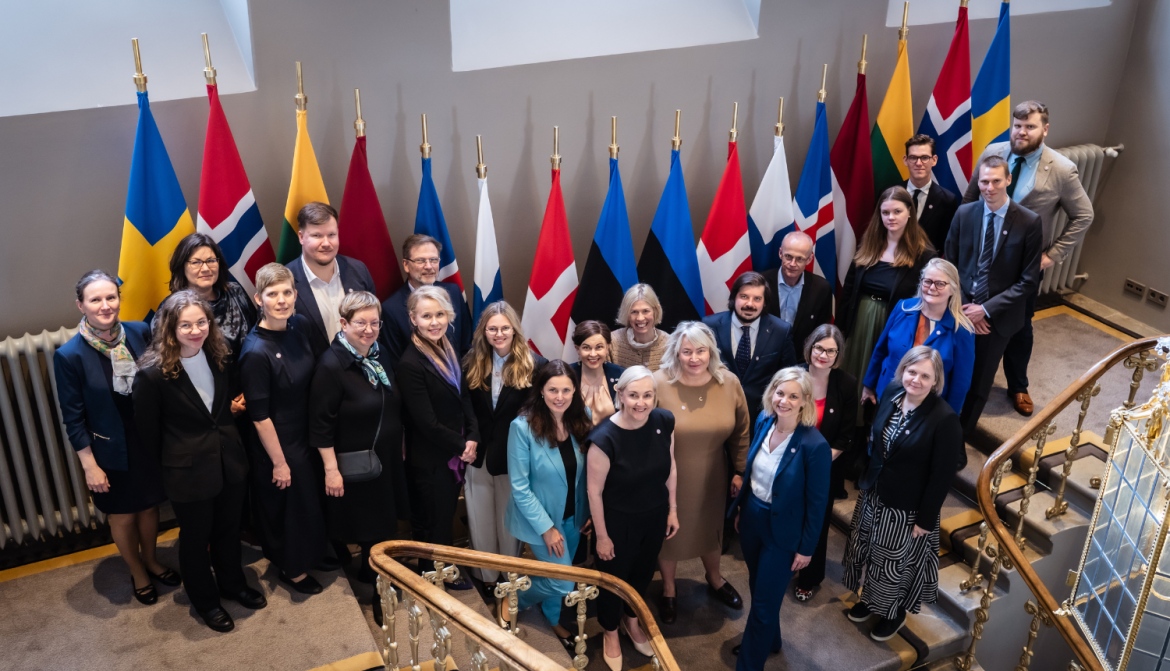
On Monday, 18 May, a meeting of ministers and high-level representatives of research and higher education from the Nordic and Baltic countries (NB8) took place in Tallinn, where regional cooperation in cybersecurity, artificial intelligence, energy security, and the strategic autonomy of science was discussed. Latvia was represented at the meeting by the State Secretary of the Ministry of Education and Science, Jānis Paiders, and the Director of the Department of Higher Education, Science and Innovation, Liene Levada.
At the meeting, Latvia emphasized that in the current geopolitical situation, regional cooperation in research is of strategic importance and called on NB8 countries to concentrate resources and promote the development of closer cooperation networks.
“Cooperation with the Nordic countries in research and higher education is not only an academic issue; it directly affects Latvia’s security, economy, and the well-being of its population. By strengthening joint research projects, we are shaping Latvia as a serious and internationally recognizable partner in science,” says Jānis Paiders, State Secretary of the Ministry of Education and Science.
A key issue of the discussion was the further development of the NordForsk programme, which brings together researchers from the Nordic and Baltic countries in joint projects. Latvia has planned funding of up to 1.8 million euros for the participation of Latvian scientists in NordForsk calls in the period 2024–2029. Latvia’s long-term goal is to become a full member of the NordForsk programme, ensuring the country’s full-fledged participation in this platform. Latvian scientists are actively involved in international projects that address areas important for everyday life—sustainable forest management under climate change conditions, the responsible use of artificial intelligence in healthcare, as well as the integration of the Latvian language and culture into large language models. The NordForsk project call is an opportunity to expand such experience.
The meeting also discussed the continuation of NB8 countries’ support for higher education and research in Ukraine. Latvia is already cooperating with Ukraine, including in a bilateral research programme, the focus of which this year is on sectors where technologies can be applied to enhance public security.