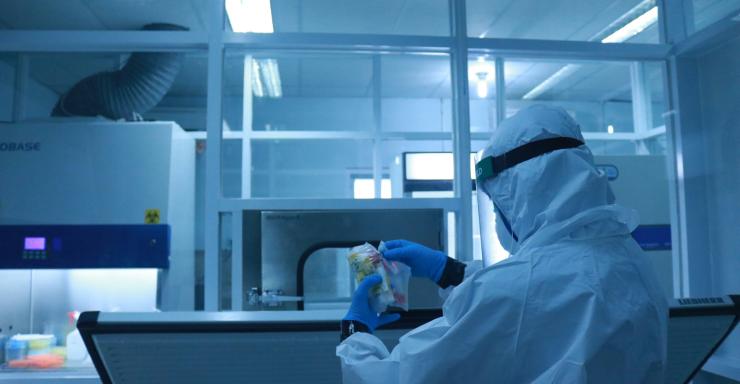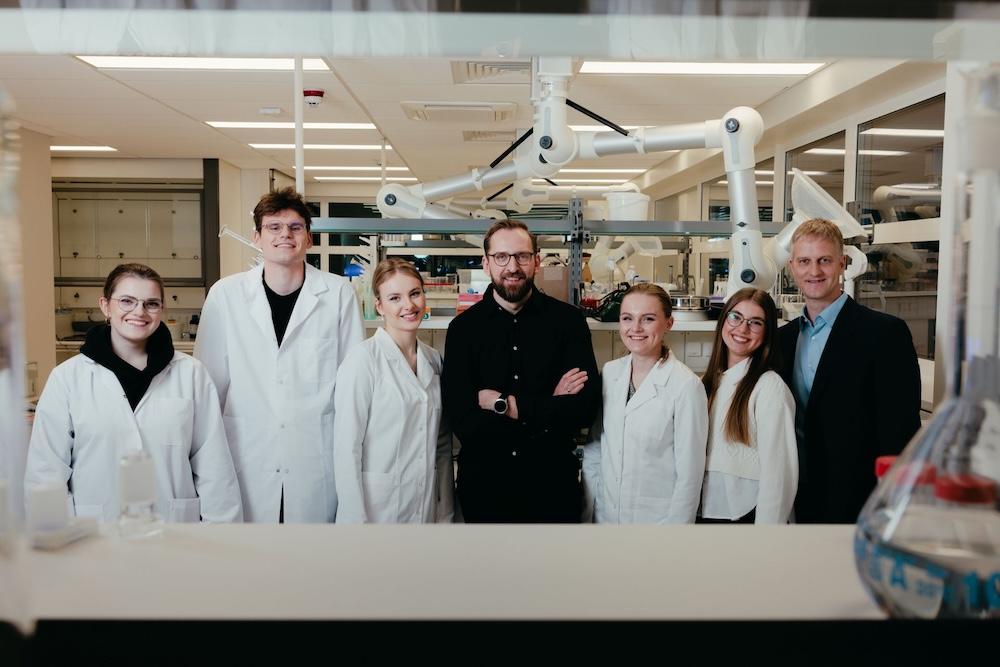
Having gained extensive experience in metabolism research in Austria and at Riga Technical University (RTU), Kristaps Kļaviņš, lead researcher at the RTU Faculty of Natural Sciences and Technologies, together with Professor Jānis Ločs, has founded a medical technology startup called Metabonet. The company provides metabolite analysis services to other research organisations and businesses. Metabonet’s analytical work has already gained international recognition — its data was used in a study published in Nature, the world’s most prestigious scientific journal.
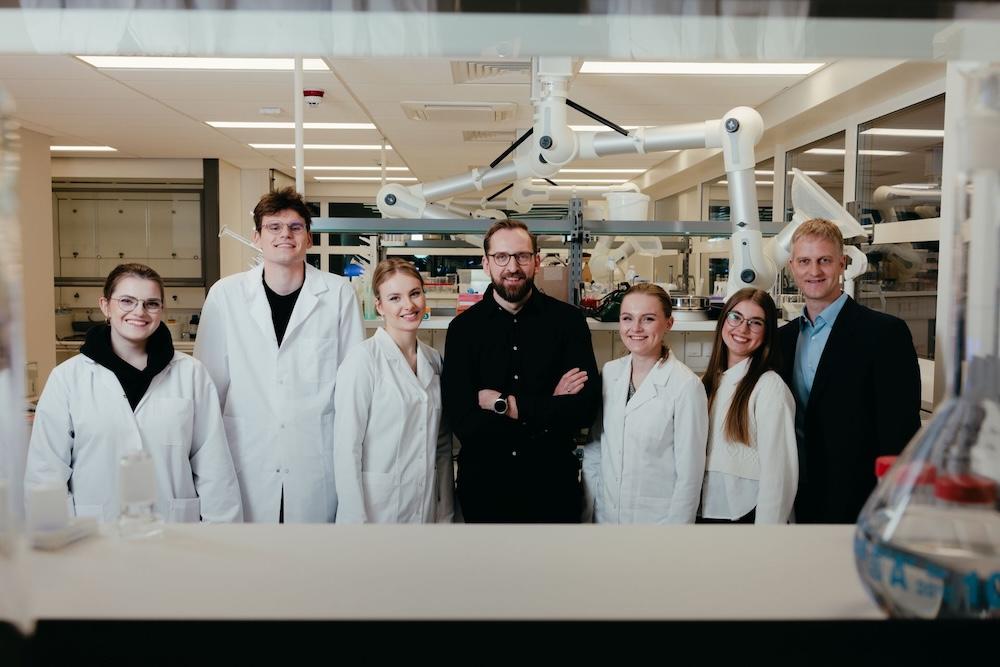
Publicity photo
"Metabolism is a process that takes place in all cells and provides insight into how an organism functions — how it grows, regenerates, reacts to external stimuli, and more. It’s not limited to nutrient absorption alone,"
explains Kristaps Kļaviņš, lead researcher at the RTU Institute of Biomaterials and Bioengineering.
His research focuses on how metabolism changes in response to implant materials and how metabolites — compounds produced in cells during metabolic processes — can be used in biomaterials to promote successful bone regeneration. Kļaviņš returned to Latvia from Austria in 2020 to continue metabolism research within the Baltic Biomaterials Centre of Excellence (BBCE) project, led by Professor Ločs.
“We have no competition in metabolism research in the Baltics,”
Kļaviņš emphasizes.
Combining deep scientific expertise with access to high-end research equipment, Metabonet offers a full-service package — from experimental design and metabolite analysis to data interpretation and preparation of scientific publications.
The company is commercialising scientific excellence and advanced biomolecule analysis methods. By using high-precision analytical techniques, Metabonet determines quantitative metabolite levels, which enables researchers to draw conclusions about metabolic changes.
“The applications of metabolite analysis are vast — from the detection, treatment, and rehabilitation of serious diseases to sports science and plant research,”
says Annija Vaska, a master’s student at RTU’s Faculty of Natural Sciences and Technologies.
“Metabolism occurs in the cells of all living organisms,”
she adds. Vaska is one of several students from the faculty actively involved in the company’s operations.
Metabonet focuses its services on research institutions and startups that require fast analysis without a minimum sample number limitation. Moreover, the company is developing an interdisciplinary network of scientists, bringing together researchers from various RTU departments and Latvian research organisations to expand its expertise.
The startup also collaborates with the Danish company Biogenity, which supports international client acquisition, particularly from the scientific community. One of their first joint projects resulted in a publication in Nature. Metabonet’s data has also been used in other major studies — including those related to type 2 diabetes treatment, organ-on-a-chip technologies for drug testing, and more.