On February 6, the 25th Winter Olympic Games will begin in Milan–Cortina, bringing together nearly 3,000 athletes from more than 95 countries. Behind every victory stands not only talent, but also science. Modern elite sport has become a showcase for science, where biomechanics, physiology, and materials science often determine the winners.
When milliseconds decide everything
In luge, bobsleigh, and skeleton, the difference between gold and silver is often less than 0.1 seconds. Luge design is tested in wind tunnels, while materials scientists study runner coatings to find the optimal combination for ice conditions. Using high-speed cameras, scientists analyze the athlete’s position, as changes measured in millimeters can provide a decisive advantage.
Latvia is world-class in luge, and behind this success is systematic work grounded in research, data analysis, and precision. Mārtiņš Rubenis, bronze medalist at the 2006 Turin Olympics and current coach, is actively involved in sled design. His team uses computer modeling to simulate aerodynamics, tests runners in different conditions, and optimizes materials. Latvia’s technological approach in luge is considered among the most innovative in the world.
The body as a precise instrument
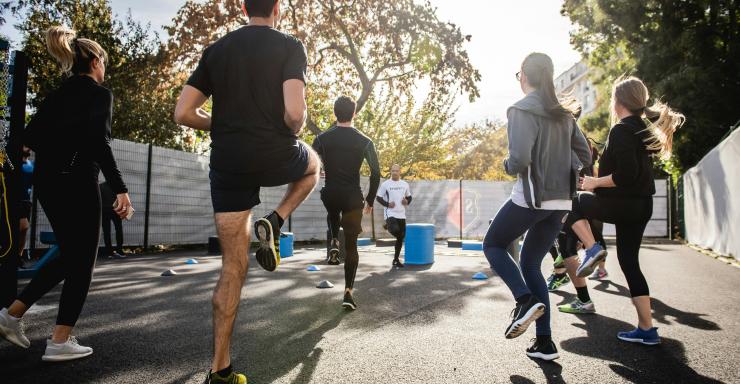
Scientists study how an athlete’s body transports oxygen, which is critical for cross-country skiers and biathletes. Training is designed so athletes can sustain high intensity over long periods. Recovery is just as important as training—science helps optimize it through nutrition, sleep, and physiotherapy. Watch the video story created by researchLatvia about the research of Dr. biol., Associate Professor Līga Plakane, Director of the Master’s study program ‘Sports Science’ at the Faculty of Biology of the University of Latvia:
Scientists from five universities have launched a nationally significant research project, Innovations, Methodologies and Recommendations for the Development and Governance of the Sports Sector in Latvia, within the framework of the National Research Programme “Sports.”
Edgars Bernāns, PhD, leading researcher at the Latvian Academy of Sport Education of Rīga Stradiņš University, explains that the Sports Health Care Centre has developed functional load monitoring protocols for skiers and biathletes. Tests are conducted on a large-scale roller-ski treadmill that closely replicates cross-country skiing movements. At the same time, the athlete’s performance capacity is measured using modern equipment, analyzing physiological indicators at different intensity levels. The result is an objective assessment of the athlete’s functional readiness, helping to plan training more precisely.
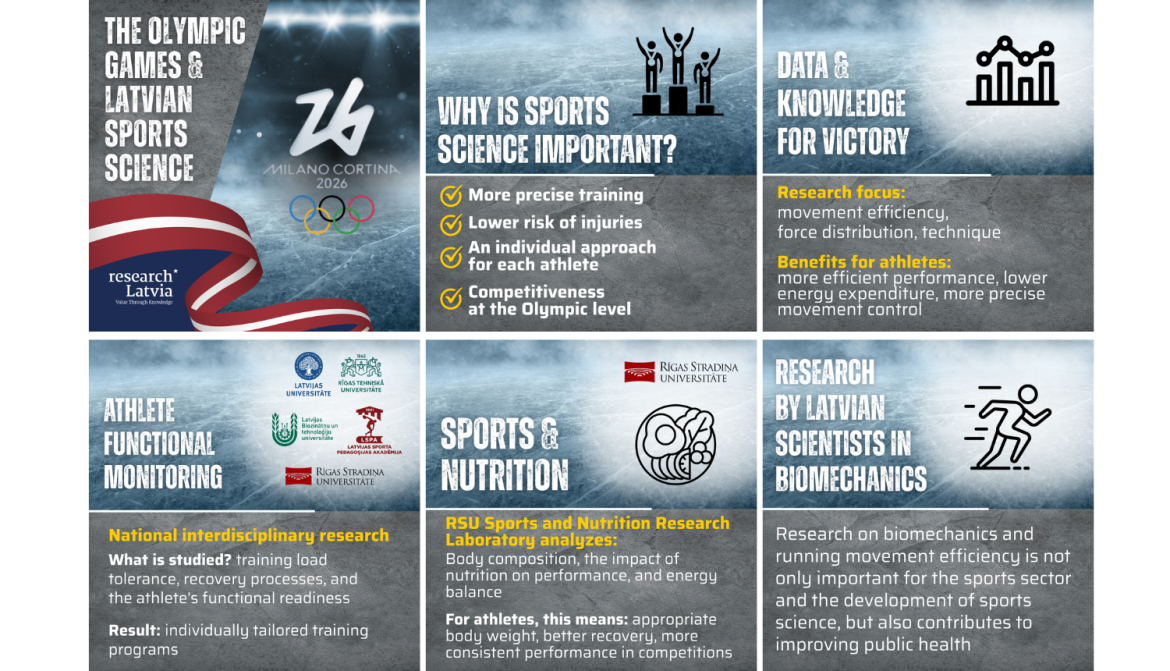
We present an infographic on the importance of sports science in Olympic athletes’ performance.
Technologies and the Future
In preparing for the Olympic Games, not only physical fitness matters, but also visualization. Today, with the help of virtual reality, athletes can train in environments that closely replicate real conditions. Sensors measure heart rate and movement in real time. Video analysis powered by artificial intelligence detects mistakes and compares performance with ideal technique.
Latvian researchers work in biomechanics, physiology, materials science, and data analysis. These studies help not only athletes, but also find applications in medicine. Sports science is moving toward personalization—every athlete is unique, and the future will involve genetic analysis, individualized nutrition plans, and tailored training loads.
Explore more research Latvia articles on sports science:
- Combining a passion for sport with research: the scientific journey of RSU LSPA leading researcher Edgars Bernāns
- The physics of the Olympic Games: how science drives performance in sport
- The science of hockey: physics principles on the ice
- The science of basketball: knowledge leads to victory