The Circular Bio‑based Europe Joint Undertaking (CBE JU) has announced 24 new projects aimed at promoting innovation in the bioeconomy and expanding the implementation of circular bio‑based solutions in Europe. The total investment amounts to 172 million euros, covering activities from the establishment of the first industrial biorefinery plants to the development of bio‑based innovations and the strengthening of new skills in bioeconomy sectors.
In the new projects, more than 300 partners from over 30 countries are collaborating, representing industry, research organisations, and small and medium‑sized enterprises. The CBE JU funding will help develop sustainable bio‑based solutions across various sectors — materials, textiles, packaging, and the chemical industry — reducing Europe’s dependence on fossil resources, lowering greenhouse gas emissions, and promoting the implementation of circular economy principles.
Among the approved projects is also the FIBRIX project, which will be implemented by an international consortium of partners bringing together research institutions, universities, and companies from several European countries. Among the project partners is also the Latvian State Institute of Wood Chemistry, which will make a significant contribution to the development of sustainable bio‑based materials and biomass processing technologies.
The project will receive a total of 3,499,233 euros in CBE JU funding within the HORIZON‑JU‑CBE‑2025 programme.
The project will be implemented from September 1, 2026, to August 31, 2029.
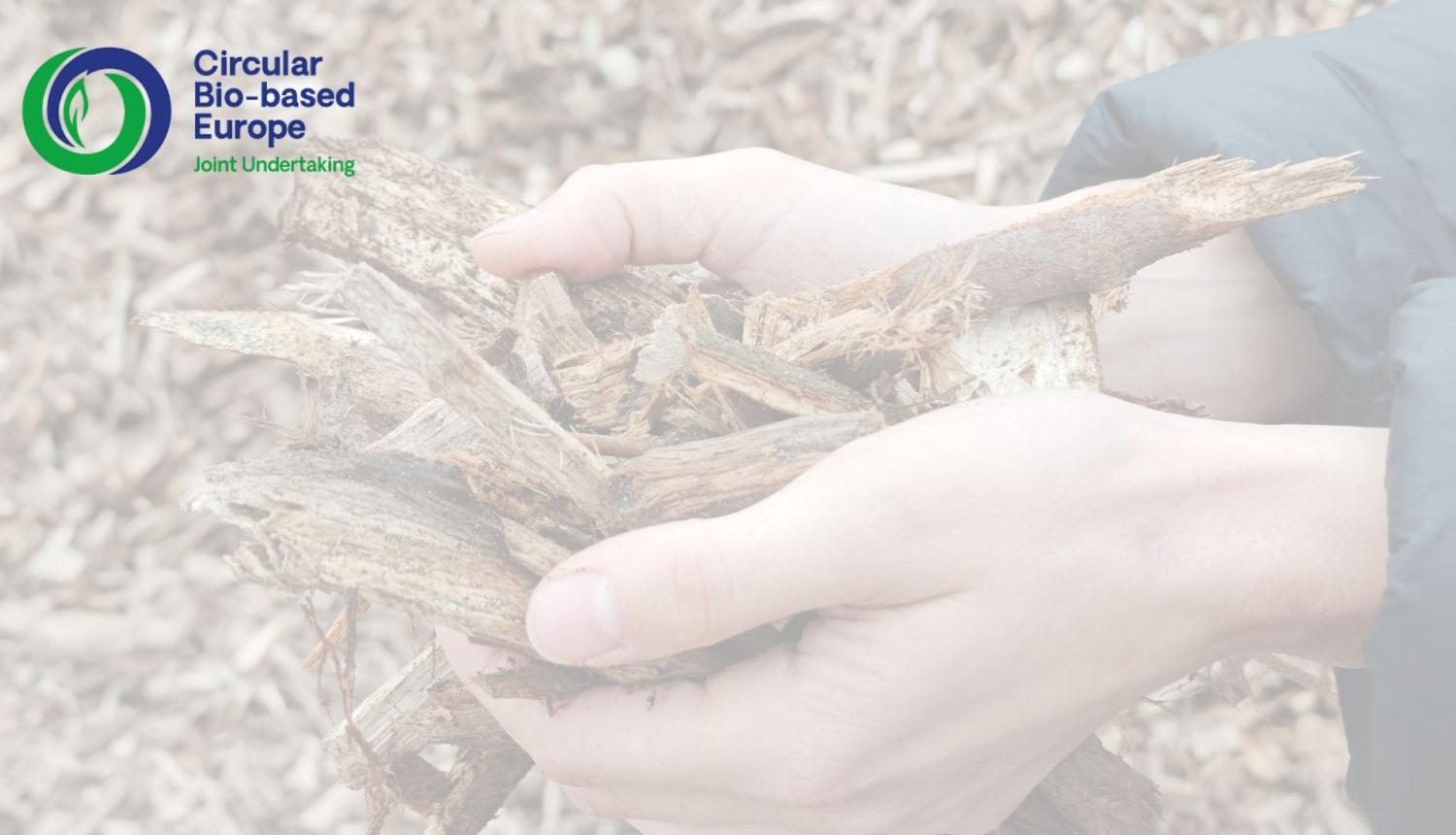
The aim of the FIBRIX project is to develop a new approach for converting underutilised forest biomass into high value‑added bio‑based materials. The project focuses on the use of forestry residues such as branches, bark, thinning residues, and insect‑damaged coniferous trees, which are currently often used only for low value‑added products, such as energy production.
The project plans to:
- identify and characterise underutilised forest biomass resources in Finland, Sweden, and Romania;
- develop sustainable technologies for biomass harvesting, storage, and pre‑processing;
- develop digital decision‑support tools for forest industry companies and owners;
- create a modular and scalable biomass fractionation and processing platform using ionic liquid technologies;
- demonstrate the potential of high value‑added bio‑based products;
- ensure sustainable use of forest biomass while preserving soil quality, biodiversity, and carbon stocks;
- strengthen cooperation between scientists, companies, policymakers, and society.
The FIBRIX project involves partners from Finland, Sweden, Romania, Portugal, and France, forming an interdisciplinary collaboration network for the development of bioeconomy innovations. The project will place particular emphasis on the sustainable use of forest resources, the implementation of circular economy principles, and the commercialisation potential of high value‑added bio‑based products.