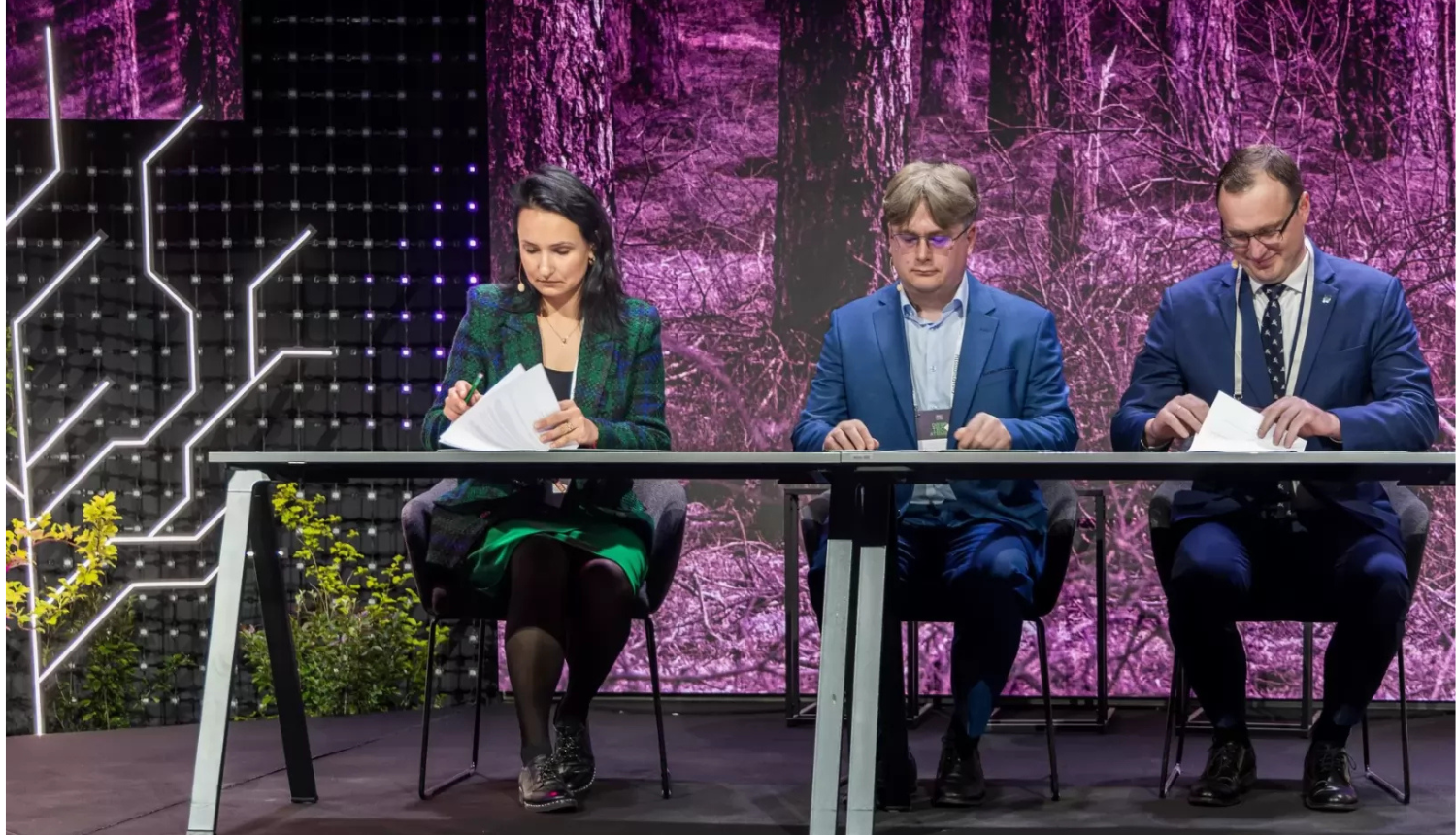
Riga Technical University (RTU), Tallinn University of Technology (TalTech) and Kaunas University of Technology (KTU) sign a memorandum on strategic cooperation in defence and security research and innovation. Other universities from the European Union (EU) external eastern border countries could also join the memorandum, strengthening defence research and innovation capacity in the region.
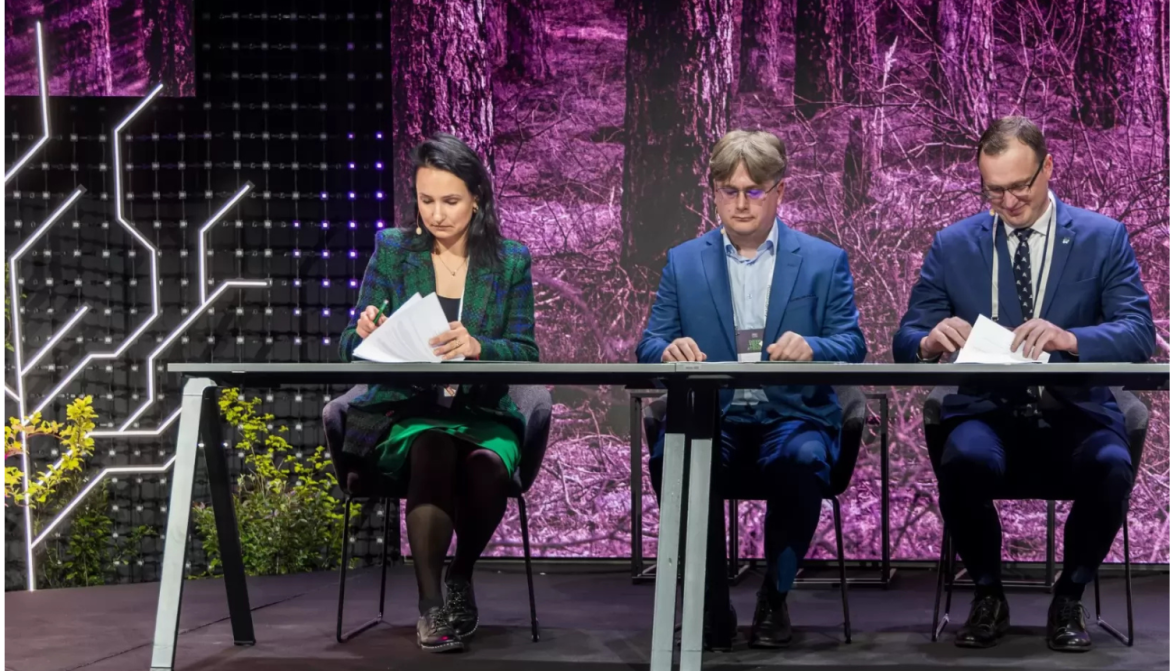
The partners plan to develop a joint security and defence cooperation strategy in the field of research and innovation to promote joint participation in international research and innovation projects, such as NATO, the European Defence Fund, etc. By combining competencies, it will also be possible to cooperate more successfully with industry.
"Research organisations must play a more significant role in the field of defence and security. We see that we can help, and we must help. It is not a choice, but a necessity in this geopolitical situation. Individually, we are too small to be able to become a strategic partner in Europe's most important security and defense projects or to provide services and support to large companies in the industry in research and development, therefore, a consortium must be formed to increase competitiveness," emphasizes RTU Vice-Rector for Innovation Liene Briede.
The strategic cooperation could be joined by Finnish and Polish partners, such as the Wroclaw University of Technology, but in the future also by representatives of other countries, increasing a common understanding of strengthening security along the eastern border of Europe.
The strategic cooperation memorandum is an important step towards a common direction of the Baltic universities of technology in the field of defence innovations, Kestutis Baltakys, Vice-Rector for Science at KTU, also confirms. He states that defence innovations encompass a very wide spectrum – from food technologies to electronics, information and communication technologies, artificial intelligence and cybersecurity. Since defence innovations are closely related to civilian technologies, international scientific cooperation will become a cornerstone of strengthening security.
RTU, like KTU and TalTech, has the scientific potential and technological competencies to promote the development of defence innovations.
TalTech began to actively focus on defence and security technologies 25 years ago, says Henri Schasmin, Head of the TalTech Defence and Security Technology Centre. TalTach scientists have conducted research on surveillance equipment, sensors, radars, as well as maritime defence, building durability, camouflage methods, etc.
Integrating security innovations into the study process is also important for achieving long-term goals, emphasise the partners.
The development of security innovations in Latvia and the Baltic region will also be given a significant boost by the international innovation summit "Drone Summit 2025", which will be held in Riga on May 28. It is organised by the Ministry of Defence in cooperation with RTU, bringing together more than 1,000 high-level political leaders, military experts, scientists, and industry representatives from the Drone Coalition member states. In turn, innovators and start-ups developing dual-use or defence technologies will have access to world-class training, financial and business strategy support from this year in the first defence acceleration program in Latvia. It will be implemented by "UniLab Defence", which is formed by the Latvian universities' technology business incubator "UniLab", which unites science universities - RTU, University of Latvia, Riga Stradiņš University and Latvian University of Biosciences and Technology - in close cooperation with a strategic partner, Denmark's leading venture capital and acceleration fund "Accelerace". NATO's Defence Innovation Accelerator for the North Atlantic (DIANA) has included UniLab Defence in its transatlantic accelerator network.