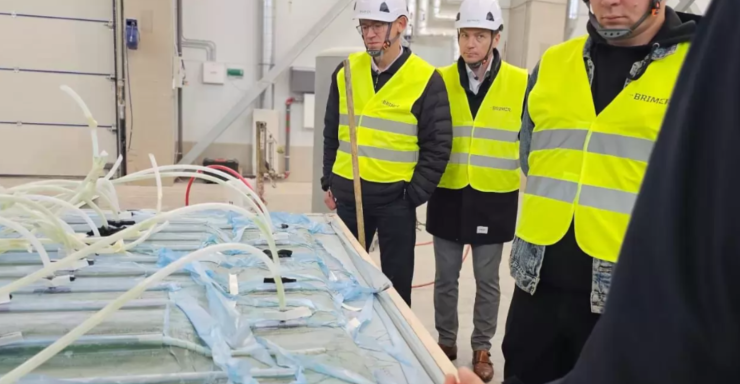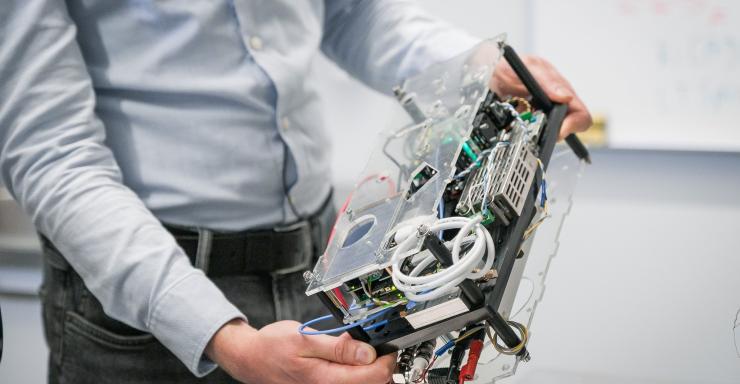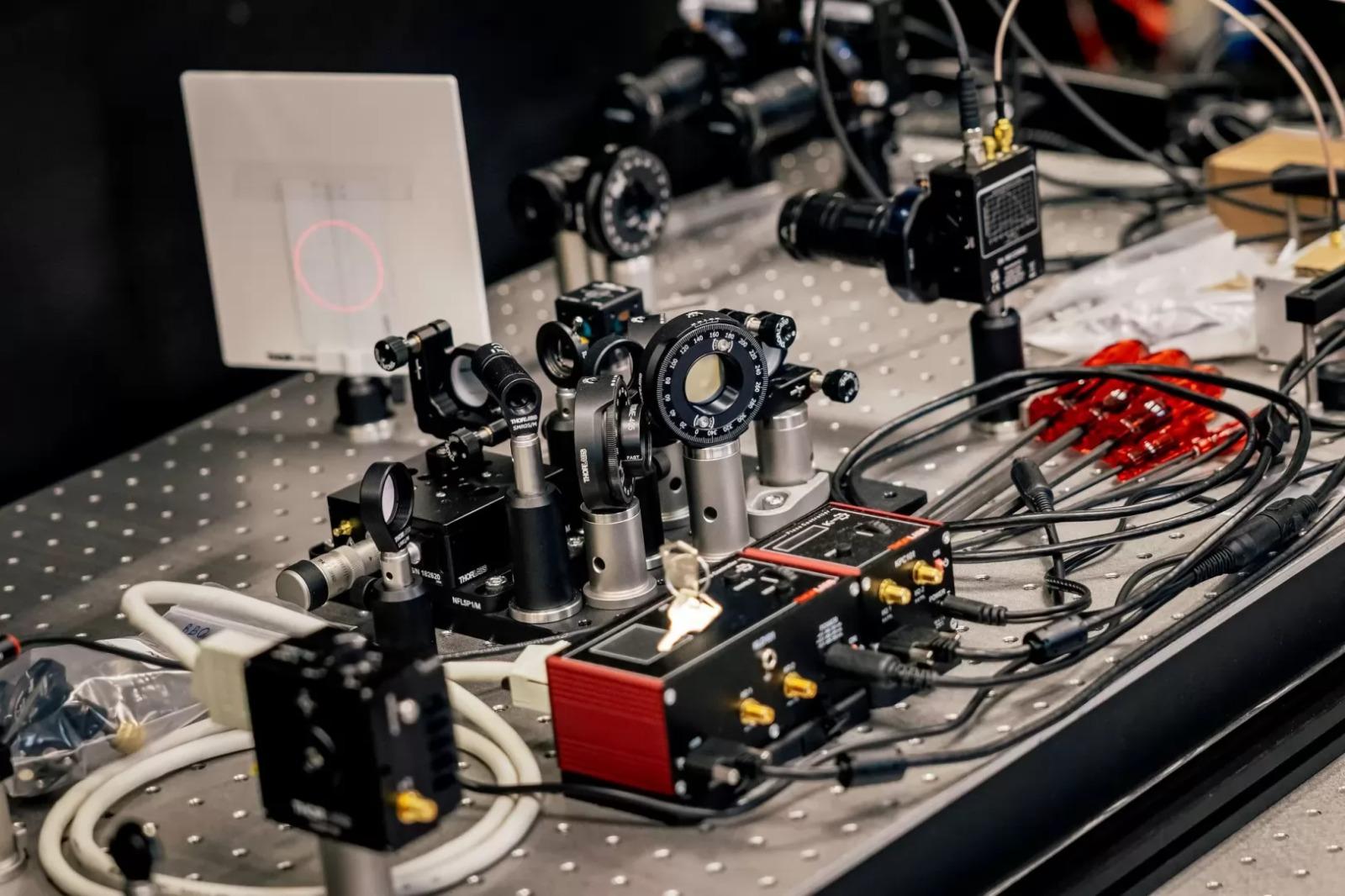
The European Investment Bank (EIB) will advise Latvia on how to accelerate the development of rapidly growing business sectors. The pilot project will assess the development plan of Riga Technical University (RTU) to demonstrate how major investments in universities can support national innovation and economic development goals. This will strengthen Latvia’s capacity to design financial instruments, implement support measures, plan long‑term strategic investments, and attract European Union (EU) funding for technological advancements.
The new cooperation with the Ministry of Economics and the Investment and Development Agency of Latvia (LIAA) will enable the European Investment Bank (EIB) to help the country create conditions that foster business competitiveness and growth. EIB experts will assess how Latvian companies, research institutions and emerging technologies are currently supported, and will identify areas where policies and financial instruments can be strengthened. The cooperation, planned to run until the end of the year, will also explore opportunities for closer collaboration with Estonia and Lithuania to advance strategic initiatives across the Baltic region.
“Latvia has built a strong foundation for innovation, but the next step is scaling it up,” said Minister for Economics Viktors Valainis. “Our priority is to accelerate the growth of promising companies, attract international investment and compete globally. Cooperation with the European Investment Bank gives us access to world‑class expertise that will help improve our policies, strengthen financial instruments and unlock the potential of Latvia’s innovation ecosystem. This is a strategic step toward positioning Latvia as a European hub for technology and fast‑growing companies,” he emphasized.
Latvia’s startup market is expanding rapidly. By the end of 2025, it comprised around 560 companies with a combined turnover exceeding EUR 600 million and employing more than 5,000 people.
Access to early‑stage and growth‑stage financing in Latvia, however, remains uneven. Deep‑tech and science‑based companies often face persistent barriers when expanding internationally. Industry representatives have called for a stronger project pipeline and better‑coordinated state support measures.
Part of the EIB’s support will include a capacity‑building programme for Latvia’s innovation ecosystem, including public institutions involved in innovation and economic development. The pilot project will assess the development plan of Riga Technical University (RTU).
“This cooperation builds on the strong momentum already visible in Latvia’s innovation ecosystem. By strengthening national capacity and supporting the development of forward‑looking strategies, we can help Latvia amplify its strengths, connect with Europe’s most dynamic innovation networks and attract more strategic investment,” said EIB Vice‑President Karl Nehammer.
The outcome will be a set of recommendations and a roadmap to reinforce Latvia’s innovation system. The EIB’s work is carried out under the European Union’s InvestEU programme and its Advisory Hub.
“This cooperation will allow us to adopt a more targeted and data‑driven approach to supporting innovation and investment in Latvia,” said Ieva Jāgere, Director of the Investment and Development Agency of Latvia. “Together with the EIB, we will identify the most critical gaps—from early‑stage financing to support for company growth—and develop practical solutions that meet market needs. Our goal is clear: to help more Latvian companies scale internationally and attract higher‑value investment to Latvia,” she explained.
The EIB will carry out its advisory work in close cooperation with public institutions, investors, industry partners and startups to ensure that the recommendations are practical, targeted and aligned with market needs.