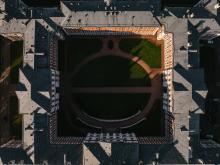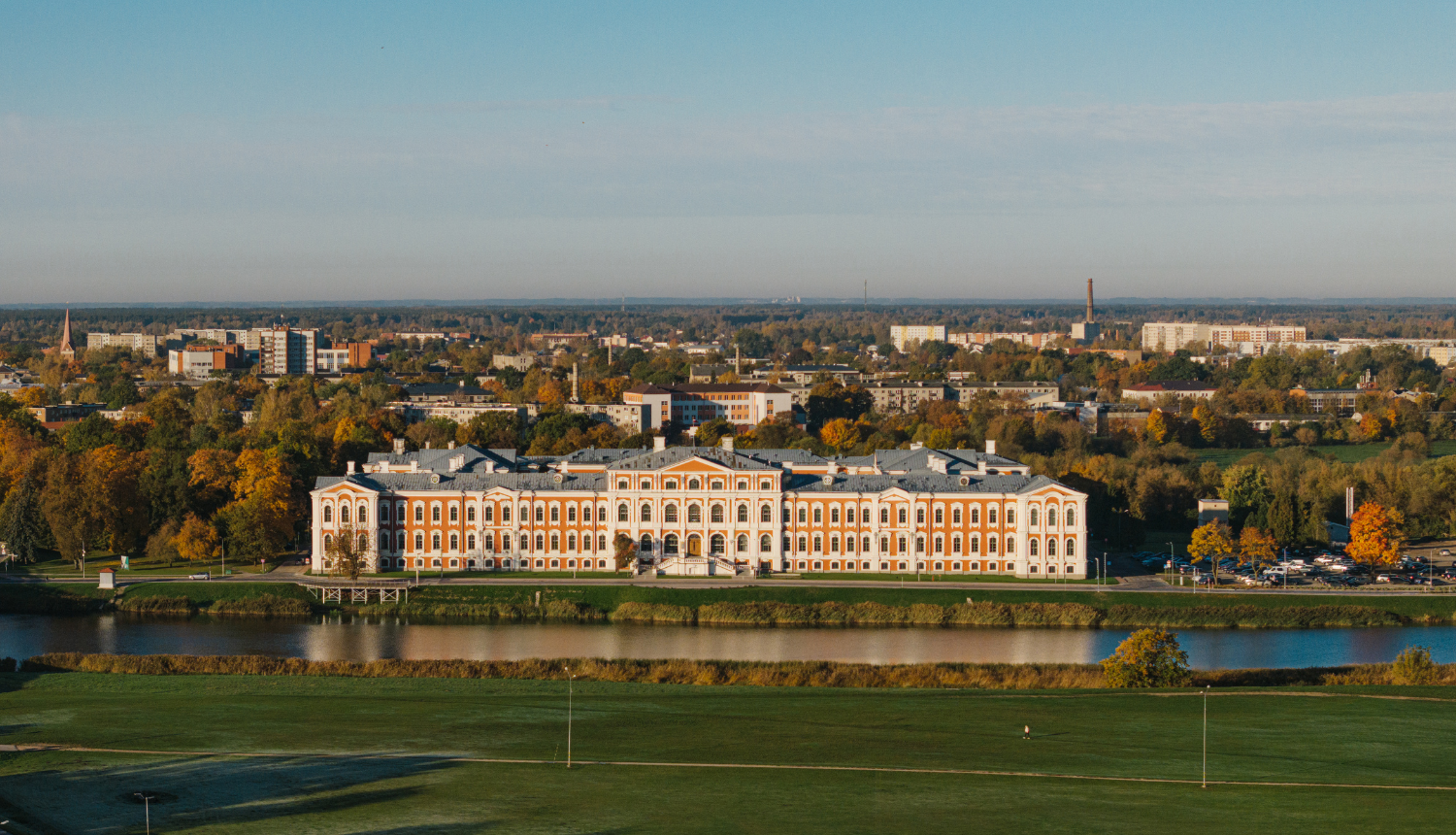
Latvia University of Life Sciences and Technology (LULST) is one of the leading science universities in Latvia, promoting the creation, transfer and practical application of knowledge in the fields of biosciences, engineering and social sciences.
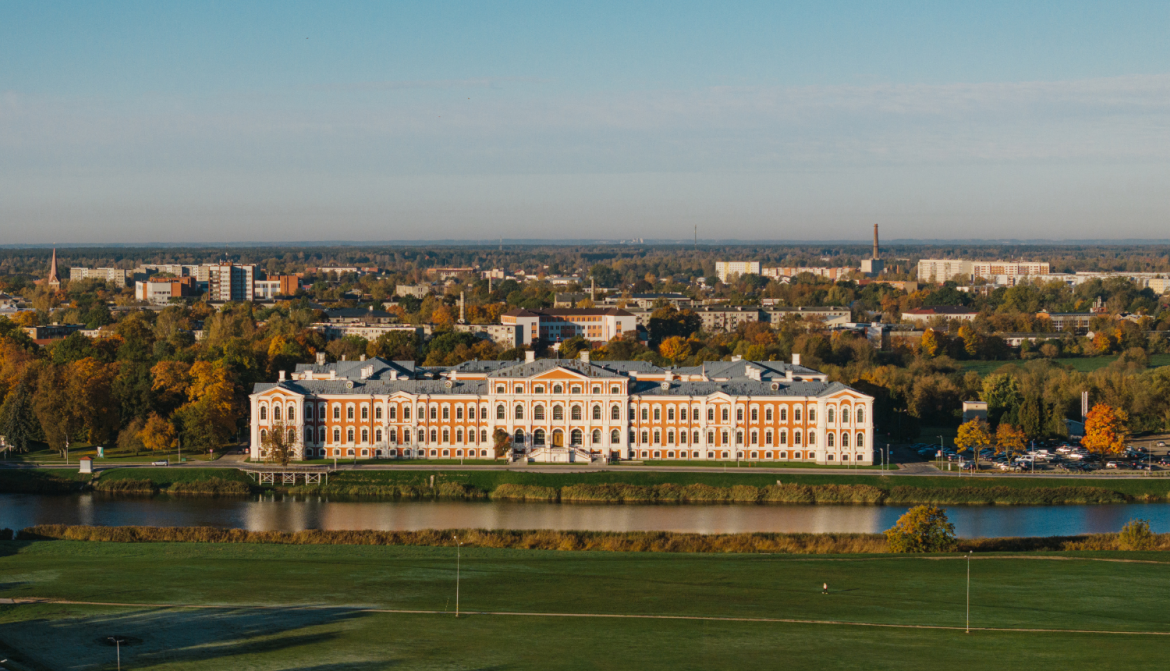
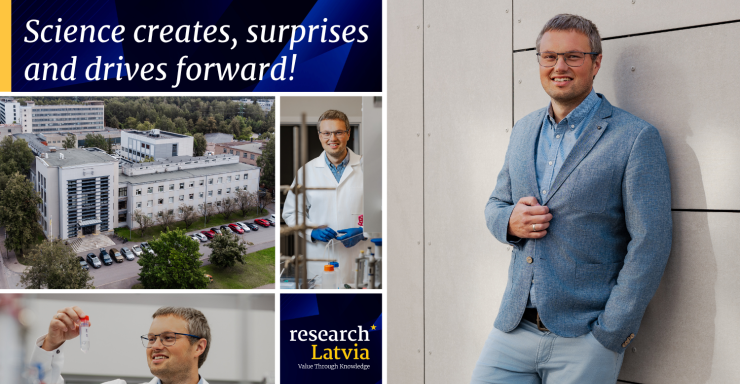
In May, the science communication brand researchLatvia is paying special attention to LULST's contribution to research activities.
"The goal of LULST's scientific activities is to achieve internationally recognised excellence in the Baltic Sea region, while ensuring that research meets the needs of society and current requirements. We strengthen the university's innovation capacity and promote knowledge transfer, which in practice means the commercialisation of research results. International partnerships and joint projects with foreign scientific institutions and researchers are particularly important in this process," emphasises LULST Rector, Professor Irina Arhipova.
From agriculture to a multidisciplinary university
LULST’s roots can be traced back to 1863, when a higher education department of agriculture was established in Latvia. Today, LULST is a modern, multidisciplinary university with five faculties, offering education at three levels – undergraduate, master’s and doctoral studies.
In order to promote the introduction of innovations in the national economy, the balanced development of regions and the improvement of the quality of life of society, the university is creating a scientific and innovation ecosystem in strategic specialisation areas:
- biosciences (agricultural, forestry and veterinary sciences),
- engineering and technology,
- social sciences.
Excellence and competitiveness in doctoral studies
Every year, LULST attracts a significant number of graduates from other universities, including those who studied abroad, to its doctoral studies. About 80% of newly admitted doctoral students are graduates of master's programs from other universities, which confirms the competitiveness and high scientific quality of LULST doctoral study programs. About 15 doctoral students defend their doctoral theses every year.
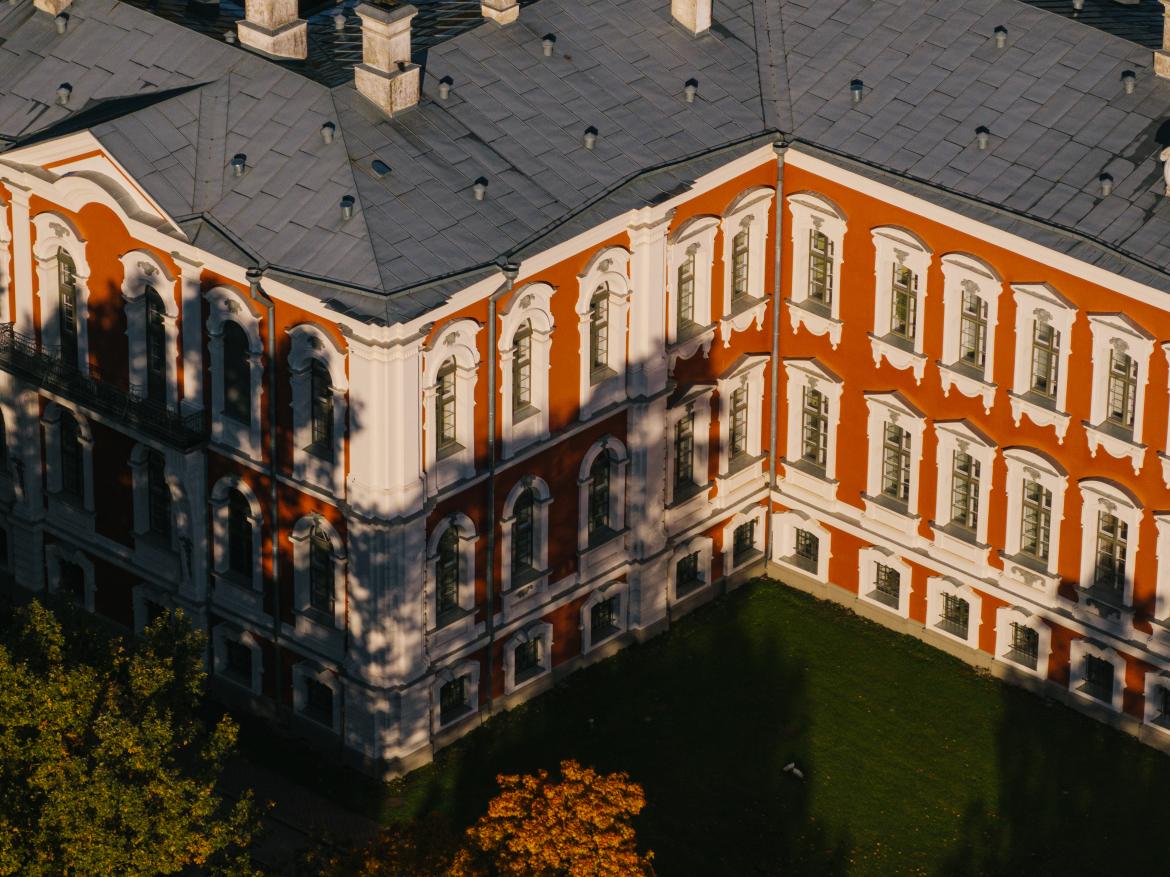
Research for sustainable environmental and social development
Research at LULST is developed in such a way as to introduce innovations into the national economy, promote regional balance, and improve the quality of life of society. By combining the represented sectors, LULST faculty and scientists ensure that people live better, healthier, and longer.
LULST priority research areas:
- bioeconomy and sustainable resource use: research on the circular economy, sustainability of agricultural and food systems, as well as the processing of biodegradable raw materials into high-value-added products,
- food technology and safety: functional food products, alternative protein sources, food quality and safety control, use of biotechnology in the food sector,
- environment and climate change: soil and water quality monitoring, pollution impact analysis, solutions for reducing the carbon footprint in agriculture and forestry,
- forestry and natural capital: assessment of forest ecosystem services, sustainable forest management, carbon storage and use of bioresources,
- digital technologies and engineering: precision agriculture, robotics, data analysis, artificial intelligence solutions for smart systems,
- social development and governance: regional development, innovation management, transformation of rural space and public participation mechanisms.
Knowledge synergy and solutions in cross-sectoral cooperation
In 2024, LULST implemented 148 scientific projects and contract research. The total funding of LULST scientific activities was 8.41 million euros – 20% funding for international projects, 25% – national-level projects, 19% – projects and contract research with state administration institutions, state and municipal enterprises.
LULST research is based on interdisciplinary research, which provides the university with the opportunity to synergistically combine knowledge from different fields. Such cooperation is evidenced by both academic projects and practical examples:
- "Weedbot" or "Ronin" - a weeding robot developed by agricultural, engineering and IT experts,
- Futuristic beehives - developed in collaboration with international IT partners,
- LASAM model - a climate scenario forecasting tool developed by social science researchers, used by the Ministry of Agriculture of the Republic of Latvia to represent Latvia's interests at the EU level.
LULST Rector, Professor Irina Arkhipova, adds: "We are currently seeing positive dynamics in the development of the university - scientific results are very good, people are motivated, and state funding for science has also increased. We have implemented several successful digitalization initiatives, as well as a project to develop students' business skills. Our direction is clear - to build a strong university that is a center of knowledge and innovation."
Strong infrastructure and internationally funded projects
LULST has a developed research infrastructure – modern laboratories, pilot plants, digital testing platforms and experimental farms. The university actively participates in European and national research programmes, including Horizon Europe, Interreg and LIFE, and also cooperates with companies, municipalities and policy makers to ensure the practical implementation of scientific results.
LULST is also a Member of researchLatvia, a science communication brand – this initiative unites 12 leading Latvian research institutions that conduct internationally recognised research and offer scientifically sound solutions to society’s needs. As the ambassador of Latvian science, LULST promotes the visibility of research at both the national and global levels and strengthens international cooperation.

International recognition and ratings
LULST is recognized internationally – the university is included in the Times Higher Education (THE) ranking, which evaluates the world's best universities based on their academic excellence, research, internationality and impact on society. LULST is also included in the Scimago Institutions Rankings, which assesses scientific impact, innovation potential and social impact.
These assessments confirm the university's high academic level, competitiveness and ability to address global challenges.
Graduates who make a difference
LULST graduates are in demand on the job market, and many of them become employers or researchers themselves. They work not only in the agricultural or forestry sector, but also in the food industry, IT, energy, environmental and resource management, public administration and education.
The university environment promotes creative thinking, entrepreneurship and scientific excellence, which are the basis for long-term development.
LULST – the leading bioeconomy centre in Latvia
LULST is a national leader in bioeconomy research and policy development. The university provides an interdisciplinary approach to solving current societal and environmental problems, as well as offers research methods with high added value for Latvia and the international scientific community.
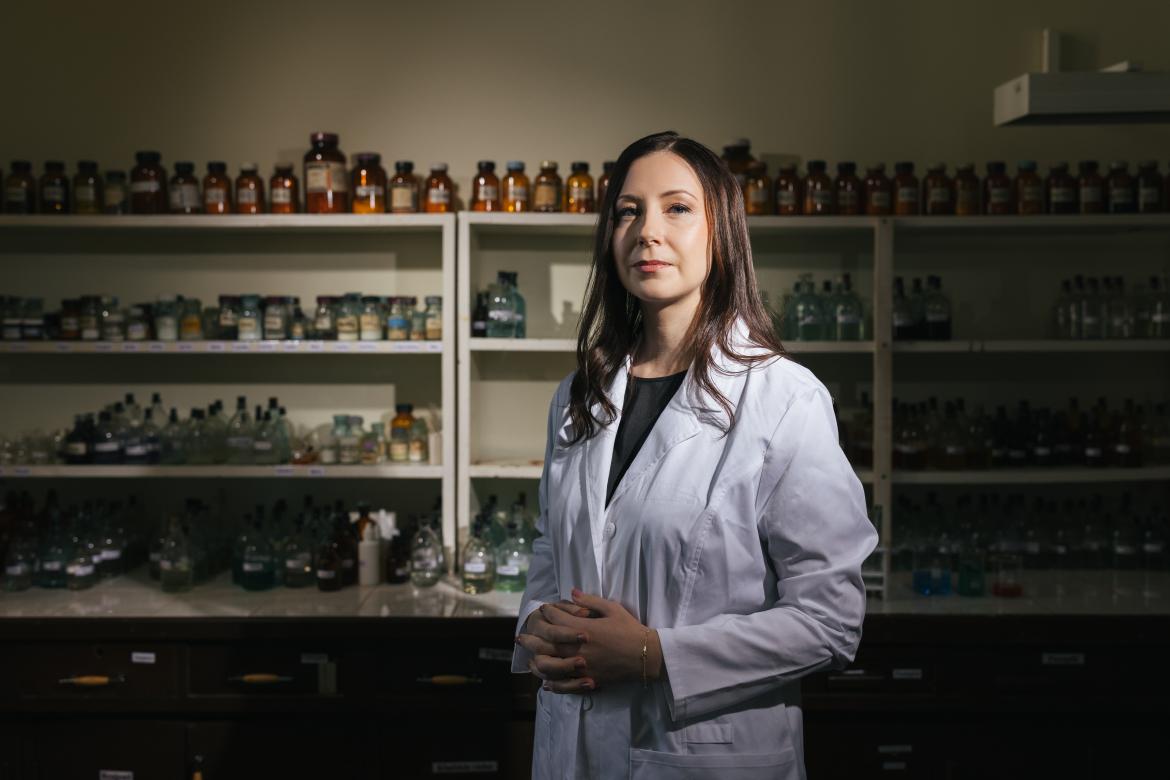
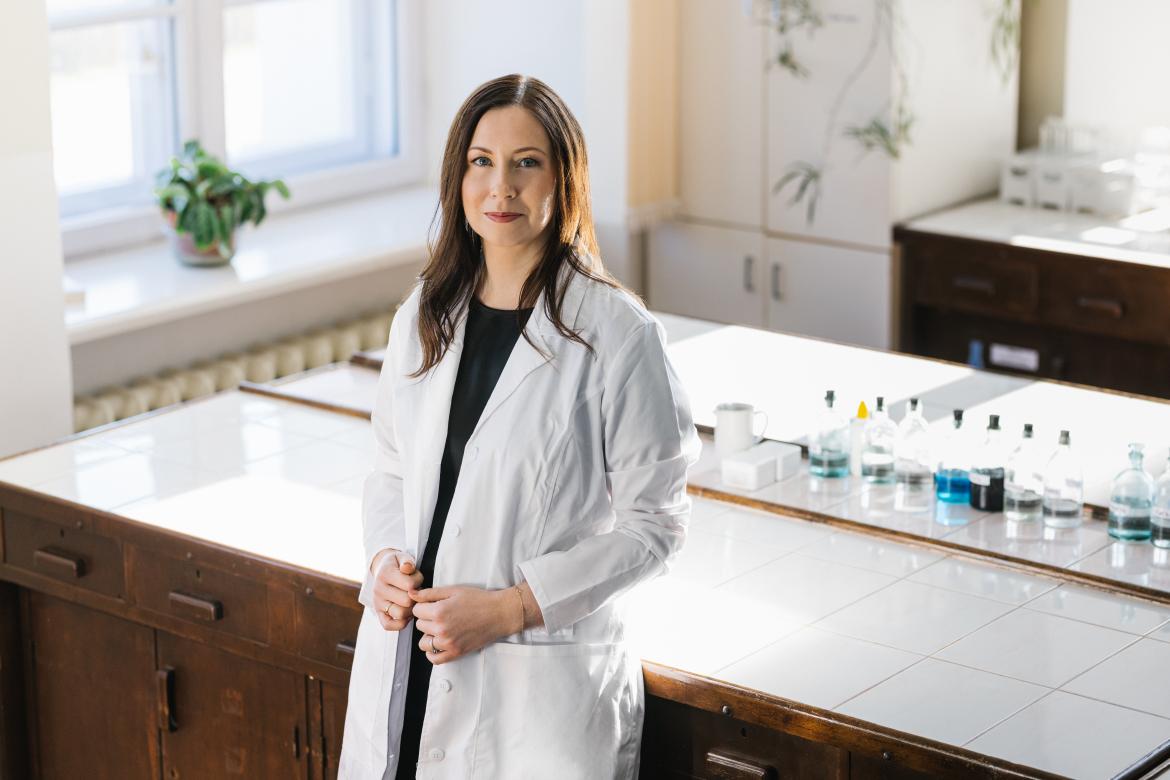
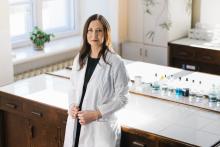
Video with this month's researchLatvia calendar scientist Ph. D. Rūta Ozola - Davidāne