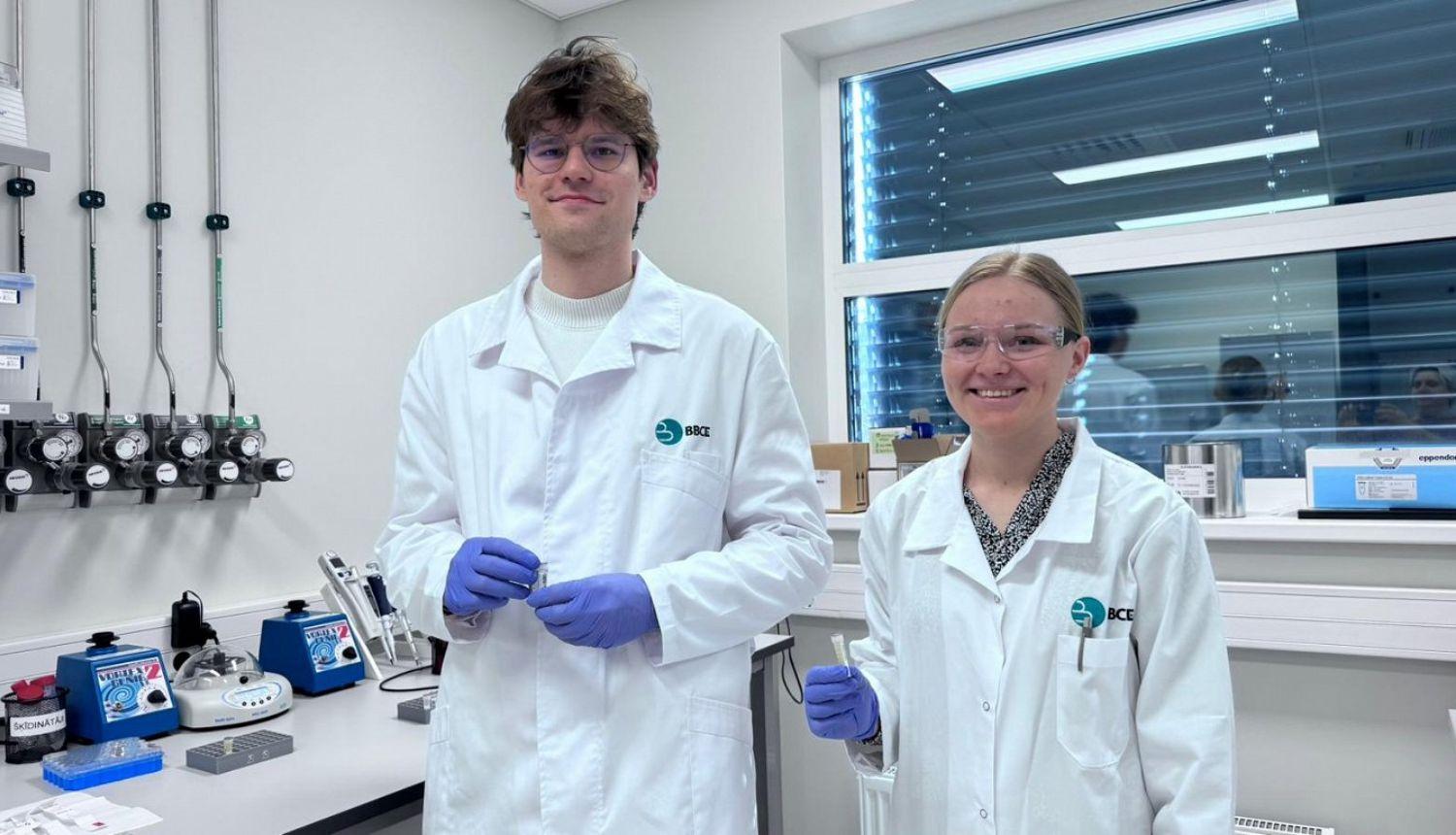
In collaboration with doctors from the Children’s Clinical University Hospital (BKUS) and scientists from Rīga Stradiņš University (RSU) and Riga Technical University (RTU), a new method for detecting blood poisoning is being developed. It allows sepsis in newborns to be identified using urine instead of painful blood tests. If successful, the new device could be in demand not only at the Children’s Hospital in Latvia but also in hospitals around the world.
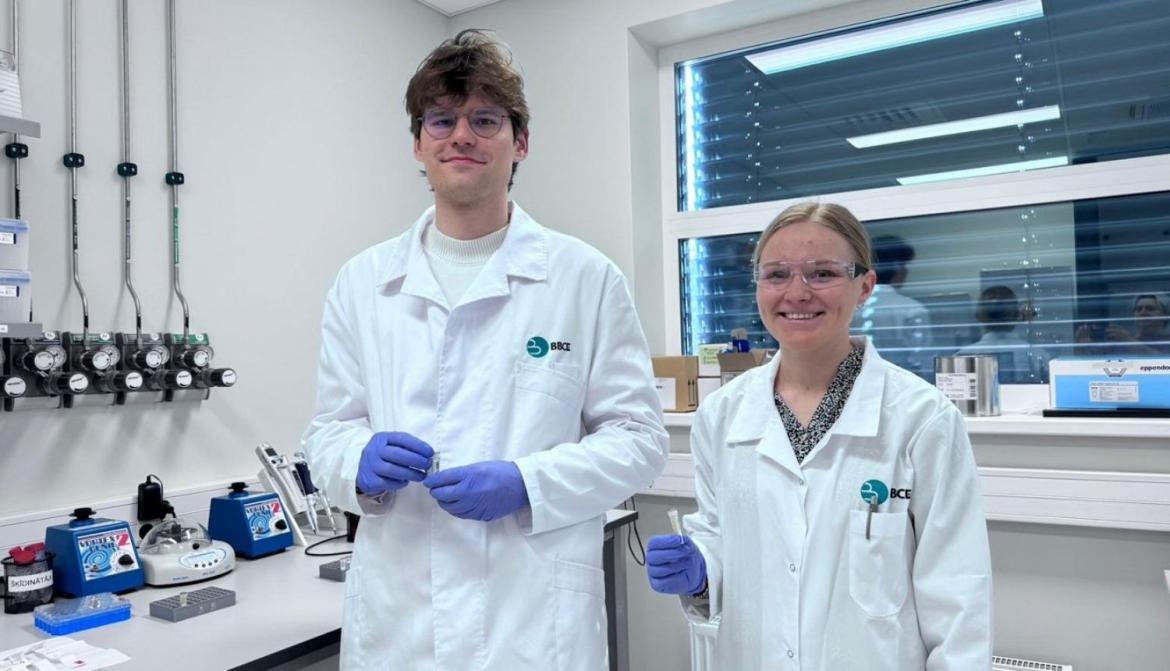
Researchers at the Baltic Biomaterials Centre of Excellence, with support from the state, are developing a method to spare young patients from pain. The new test does not require needles. For the early detection of sepsis biomarkers, a urine sample is sufficient.
Kristaps Kļaviņš, a leading researcher at Riga Technical University (RTU), explained: "The idea came from doctors at the Children’s Hospital who face this problem every day. Sepsis, commonly known as blood poisoning, often develops, especially in premature infants, and is a very serious issue. At the moment, diagnosis relies on blood tests. That is the standard method, which requires up to 3 millilitres of blood. For a baby who may weigh only 900 grams, this can represent as much as five percent of the total blood volume."
Research assistant Henriks Dundurs noted that the researchers are trying to determine whether the new method can produce consistent data.
In preliminary studies, the urine of around 100 children has been analysed, and changes can be observed in cases of sepsis.
"Three specific substances change. Now the question is whether we can repeat this study, that is, validate it and how to make it more attractive for clinical use. The ultimate goal is to develop a device that a doctor can use directly in their office. The doctor would be able to collect a urine sample and immediately receive the final result: whether sepsis is present or not," the leading researcher emphasised.
Around 1,800 cases of sepsis are registered in Latvia each year. Sepsis also accounts for about 18% of deaths among newborns. Faster and more accurate diagnostics would allow treatment to begin sooner, reducing the risk of mortality.
"As a scientist, I prefer not to use loud words like ‘revolution.’ But yes, it would be a new method with very significant added value, especially in pediatric care," Kļaviņš noted.
The development of such a device could take between two and five years.