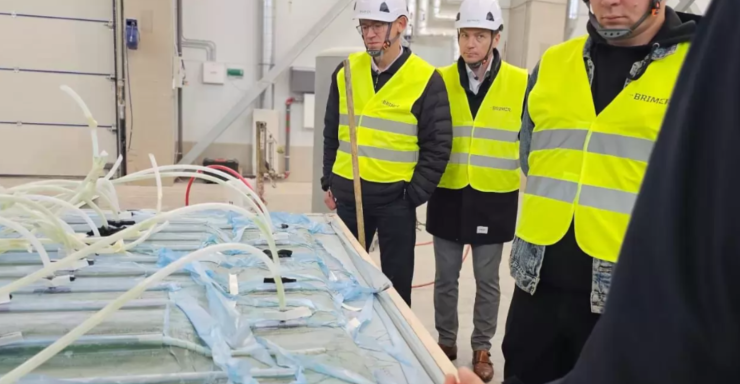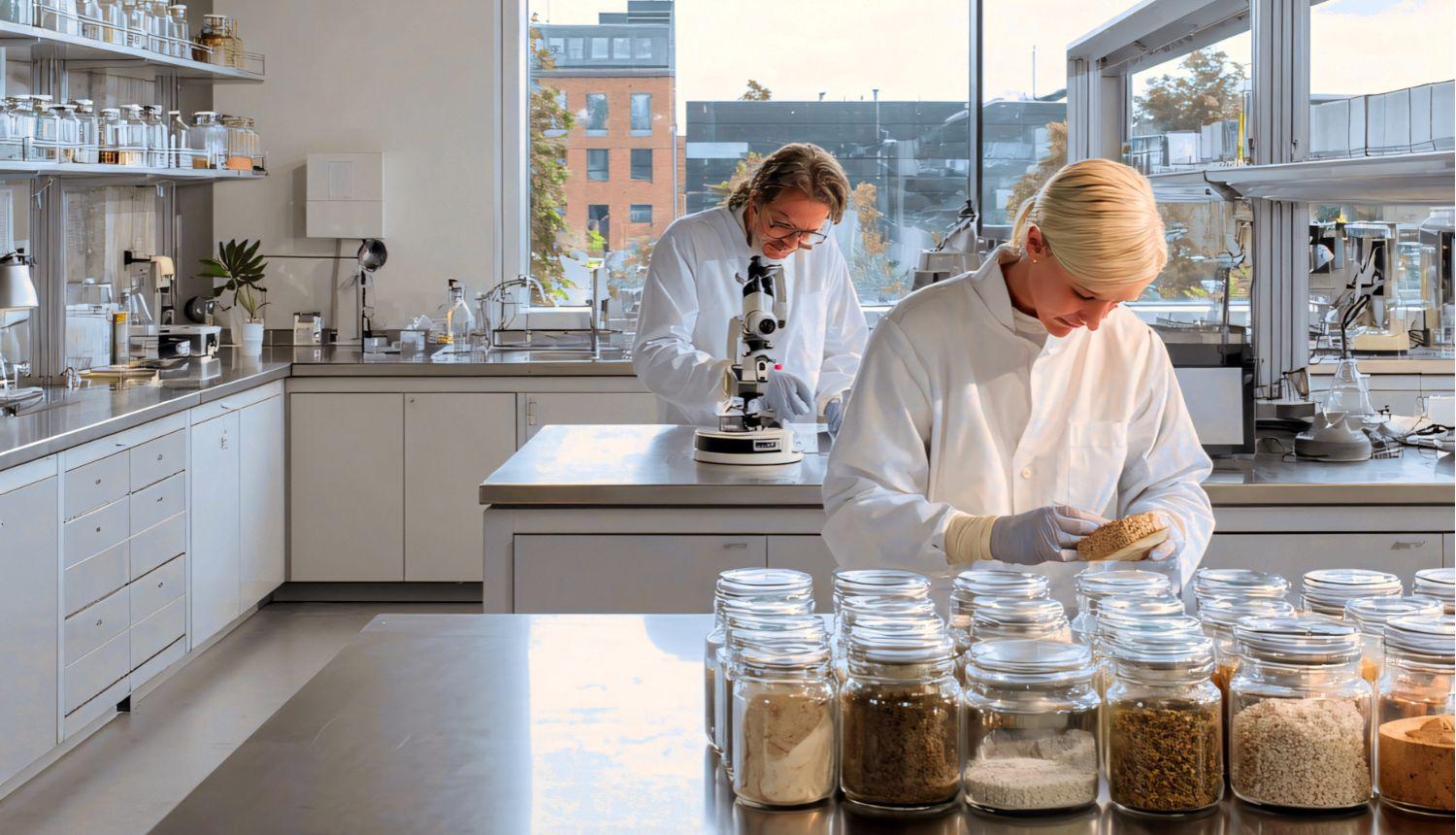
The Cabinet of Ministers has approved the draft order prepared by the Ministry of Education and Science on the merger of two state scientific institutes – the Latvian Institute of Organic Synthesis and the Latvian Biomedical Research and Study Centre. Based on this merger, a new state scientific institute, represented by the National Research and Innovation Institute, will be established.
The goal of creating the new institute is to strengthen Latvia’s scientific excellence and international competitiveness in the field of life sciences, promote more efficient use of resources, facilitate knowledge transfer to industry, and ensure a unified direction for the development of biomedical and organic synthesis research in Latvia.
"Both institutions have proven themselves with strong achievements in biopharmaceuticals, new drug substance research, biotechnology, and fundamental research. In mid-2026, these two institutes will merge to strengthen their role in the Latvian and international scientific arena, forming a powerful centre capable of developing solutions for society and the national economy, better utilising the talent of our scientists, and fostering cooperation with industry and universities," emphasised Minister of Education and Science Dace Melbārde.
A Strong National Research Centre to Emerge from the Merger
By establishing the National Research and Innovation Institute based on the Latvian Institute of Organic Synthesis and the Latvian Biomedical Research and Study Centre, multidisciplinary scientific activity will be implemented in the fields of natural sciences, medicine, and health sciences.
Both institutes are recognised leaders in Latvia and the Baltic region – the Latvian Institute of Organic Synthesis received the highest rating “5” in the 2019 international evaluation of scientific institutions, while the Latvian Biomedical Research and Study Centre received a rating of “4”, demonstrating their high research quality and international recognition.
The new institute will combine the scientific potential of both institutions, forming a unified National Research and Innovation Institute in biomedicine and organic synthesis, capable of competing within the European Research Area and acting as a strategic partner for both Latvian and international industry.
Director of the Latvian Institute of Organic Synthesis, Dace Kārkle, commented: "By merging, we become a larger community of scientists – more than 400 researchers. This will allow Latvia to work more purposefully, use resources more efficiently, and jointly participate in international projects. A stronger institute is also more attractive to foreign partners and researchers."
The Merger Will Bring Significant Benefits to Latvian Science and the Economy
The merger is being implemented within the framework of the Recovery Fund, with a total investment of up to EUR 10.87 million – including EUR 9.98 million from the Recovery Fund and EUR 0.89 million in national co-financing.
The merger will ensure the establishment of a strong and competitive life sciences institute that will promote Latvia’s economic transformation and innovation capacity. It will increase research quality and efficiency by sharing infrastructure and human resources and fostering collaboration with industry, particularly in the pharmaceutical and biotechnology sectors, where the two institutes currently account for approximately 36% of all private revenues among Latvian scientific organisations.
It is planned that the National Research and Innovation Institute will become the most prominent and most internationally visible scientific institute in the life sciences field in Latvia, employing around 300 academic staff, producing more than 160 scientific publications per year, and ensuring that 60% of them are published in top-tier international journals (Q1 level) – one of the key indicators of scientific excellence.
Chairman of the Scientific Council of the Latvian Biomedical Research and Study Centre, Jānis Kloviņš, added: "By combining capacity and knowledge, we gain the opportunity to carry out innovative research that advances both drug development and personalised medicine. This synergy will strengthen Latvia’s position within the European Research Area."
The New Institute’s Work Will Build on the Synergy of Existing Research Directions
The merger will take place while preserving and enhancing the research directions defined in both institutions’ development strategies, addressing public health challenges, promoting sustainable chemistry, and advancing molecular medicine, biotechnology, and structural biology. The combination of these fields will foster the creation of new technologies, the development of novel medical solutions, and the commercialisation of research results.
Within a month, the Ministry of Education and Science will establish a reorganisation commission to prepare all legal acts related to the merger. The establishment of the new institute is planned for 31 May 2026.
The draft decision “On the merger of derived public persons – the state scientific institute ‘Latvian Institute of Organic Synthesis’ and the state scientific institute ‘Latvian Biomedical Research and Study Centre’ – and the establishment of the derived public person – the state scientific institute ‘National Research and Innovation Institute’” (25-TA-670) is available on the Public Draft Legislation Portal.