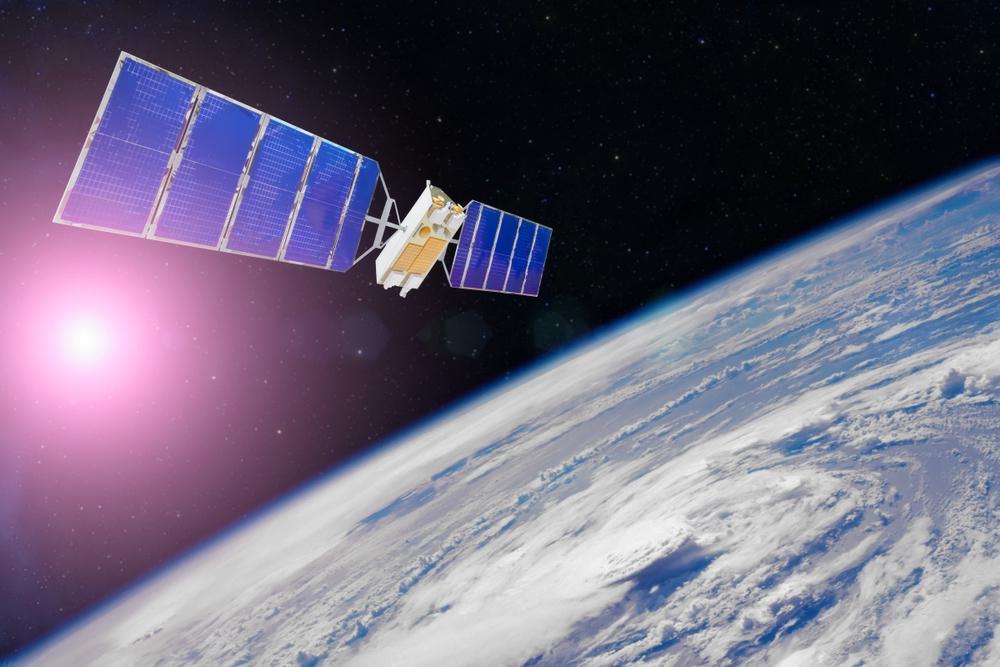
In five years as an associate member of the European Space Agency (ESA), Latvia has developed its space sector, opening doors to international cooperation, scientific advancement, technological innovation, and human capital development.
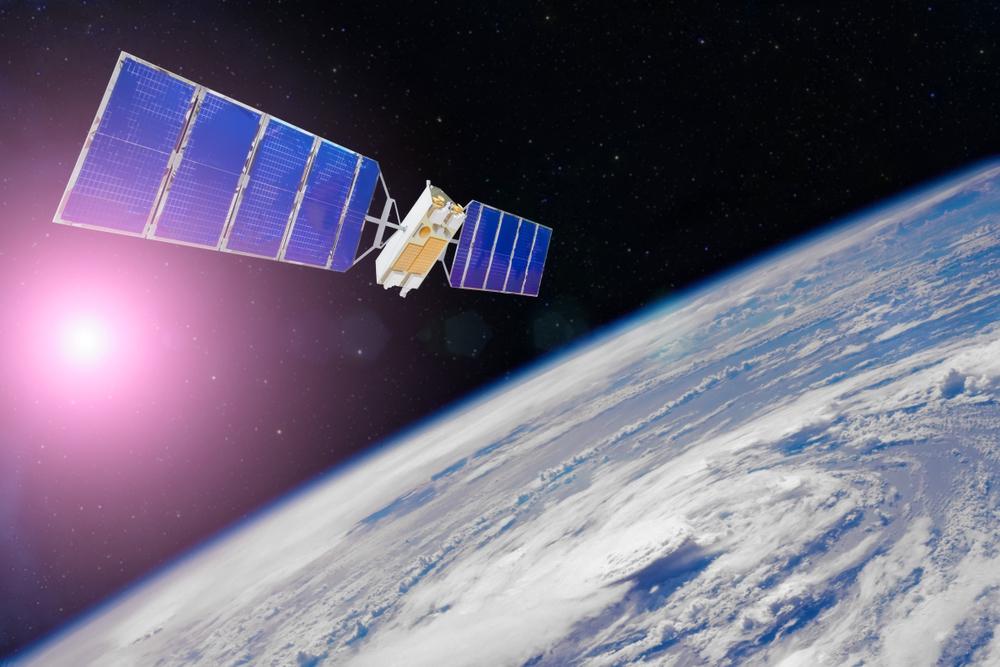
According to the four-year membership report prepared by the European Space Agency in 2024, Latvia’s financial contribution to space programs has been strategically valuable and effectively utilized. The report also reflects the growing capacity of Latvian institutions and companies to compete within the European space industry.
€23 million, 100 projects
Since the beginning of the cooperation, Latvia has invested at least €23 million in ESA programs, resulting in more than 100 successfully implemented projects in research, education, and technology development. For example, thanks to collaboration with ESA, the company “Allatherm” is currently developing a xenon pump that will provide refueling capabilities for the upcoming Lunar Gateway space station. Meanwhile, 10 projects totaling €1.58 million were approved in last year’s national program, including initiatives using satellite data to combat illegal construction in Latvia.
Latvia’s associate membership status in ESA ensures annual training sessions for industry professionals, researchers, and teachers, as well as the development of higher education programs. Latvian students also benefit from internship opportunities at ESA institutions. Riga Technical University has developed a master’s program in “Aerospace Systems Engineering,” and a second student from Ventspils University has already been selected for an internship at ESA. In the past two years, 22 Latvian teachers have taken part in ESA-organized workshops and training sessions to support the integration of space-related topics into school curricula.
Latvia’s participation in ESA has helped attract new partners, strengthen institutional and international cooperation, build industry contacts, and boost export potential. In 2023, the Space Exploration Center was opened in Cēsis, aimed at sparking children’s interest in science, engineering, technology, and mathematics by exploring these subjects through the lens of space. In 2024, the ESA Business Incubation Centre “ESA BIC Latvia” was launched, which will support at least 15 space-related startups.
Next year, Latvia plans to establish an ESA “ESERO” center focused on space education and the development of STEM skills in schools.
Four Future Priorities
To fully capitalize on its ESA membership and further develop its space sector, the Latvian Space Strategy 2021–2027, jointly developed by the Ministry of Education and Science and the Ministry of Economics, identifies four priorities:
- Education and skills development;
- International cooperation and integration into supply chains;
- Scientific research and engineering;
- Development of public services.
The implementation of these priorities provides a strong impetus for higher education, research development, and business innovation. Five years of cooperation prove that Latvia not only actively participates in European space initiatives but also makes a high-quality contribution to the shared space of knowledge and innovation.