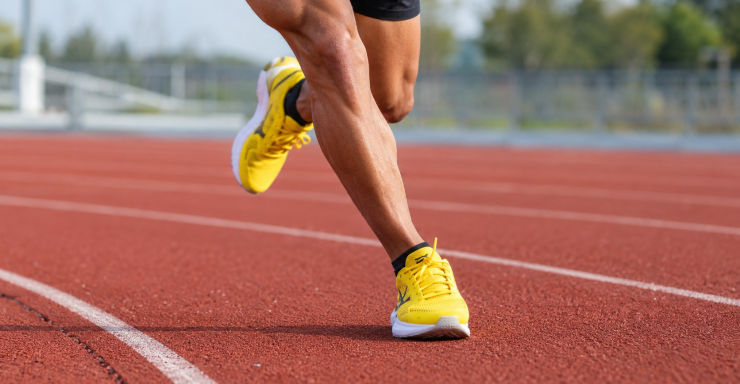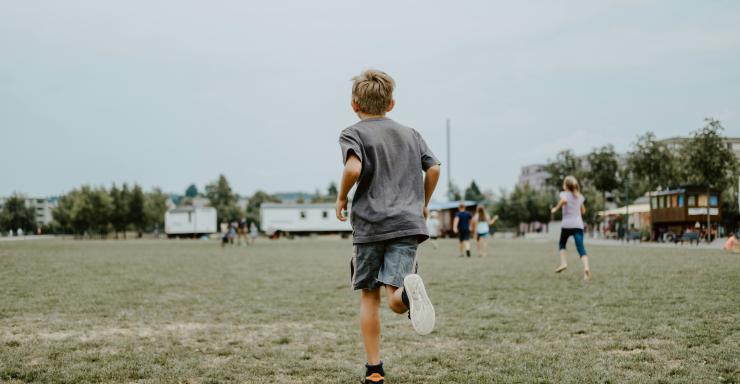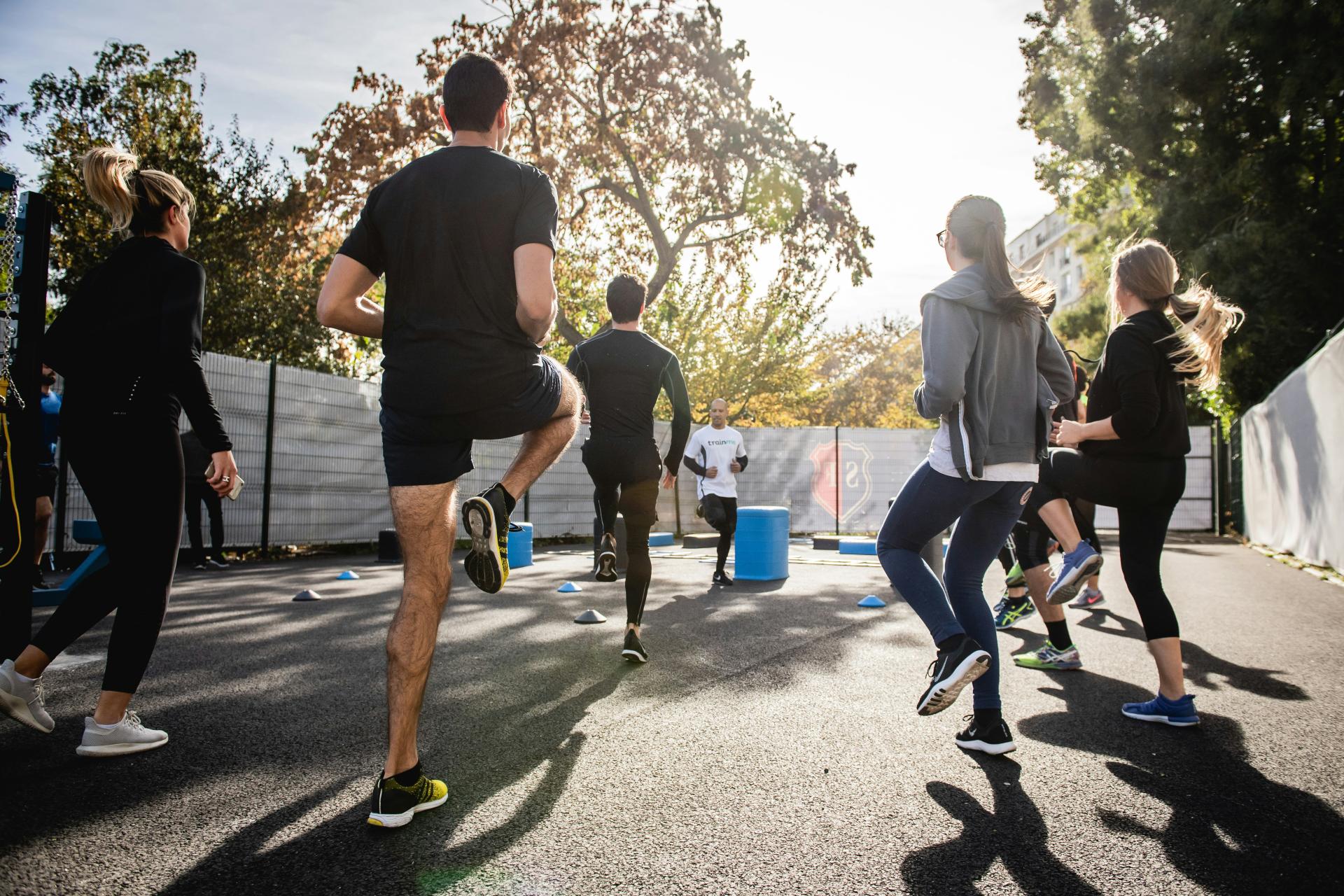
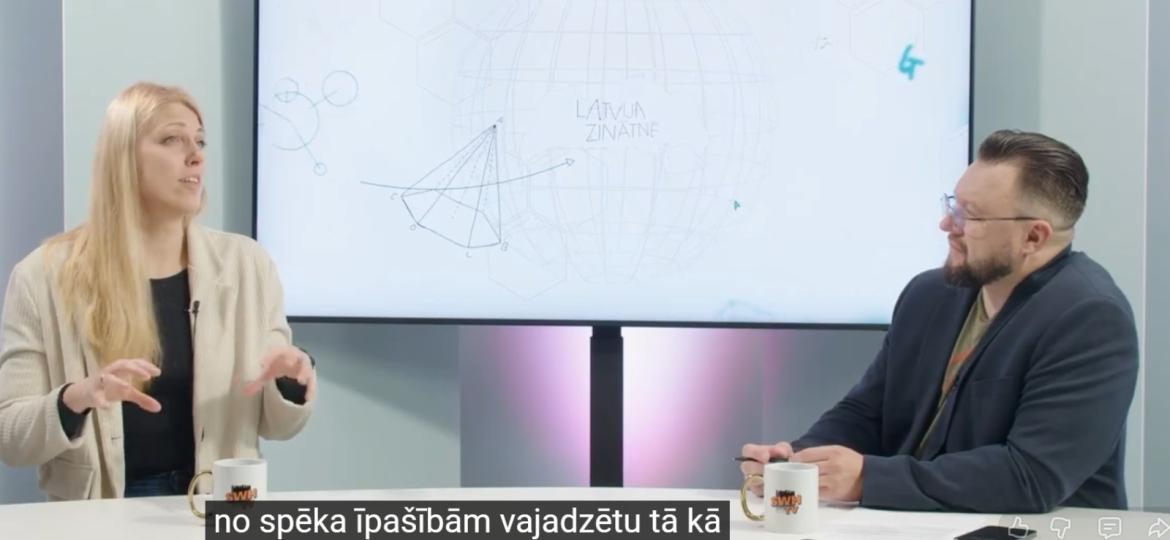
Starting to move is a good thing, but going straight from a sedentary daily routine to a ten-kilometre run may not be the best idea. On the “Radio SWH TV” programme “Latvia in Science”, produced in cooperation with “Rietumu Banka” and the University of Latvia (UL) Foundation, UL researcher Zane Ruža, certified physiotherapist Elizabete Gapone and sports physician Sandra Rozenštoka, certified in Latvia and Europe, explain how not to overdo physical activity, why variety of movement is important, and what technologies and measurements can contribute to exercise.
A professional athlete and a person who exercises for health reasons cannot be placed on the same level – both their goals and the demands placed on physical exertion and its monitoring differ. However, it is equally important for everyone not to overestimate what the body is ready for at a given moment. This applies especially to people who have decided to reduce a sedentary lifestyle and have started exercising without specific knowledge or previous physical preparation.
“Very often, people decide to start running. Instead of starting slowly and gradually, they immediately run for 50 minutes or 10 kilometres,” Gapone shares from what she has seen in practice.
People like this often end up seeing a physiotherapist with complaints. Problems can arise when someone moves too quickly from a low level of physical activity to a level of exertion for which the body is not yet ready. It is important to increase the load gradually and also pay attention to how movements are performed.
To achieve goals, it is important to assess and adjust the level of exertion – workouts that are too easy will not produce the desired result. Rozenštoka says that when testing people, she often has to conclude: “The level of exertion you are doing is your comfort zone.” In other words, the person is active, but the exertion is no longer sufficient to train and develop them.
It is important to balance endurance exercise, strength training and everyday movement. Therefore, it is essential not only to avoid overexertion, but also to choose a level of physical activity that matches a person’s abilities and goals.
When how you feel is not enough
Finding the boundary between too much and too little physical exertion is not always easy. This is where measurements and technology can help – they make it possible to notice things that a person may not always be able to assess based on how they feel alone.
Ruža emphasises that a fitness watch is not always essential for a sedentary person. The first priority is to start moving, reach a sufficient level of physical activity and feel better. “Sit less, move more,” she summarises. More precise data become more important as the amount of activity increases or more specific sporting goals emerge.
More specific measurements can also be used in sport. Rozenštoka describes research in bobsleigh and luge in which, instead of watches and heart rate monitors, sensor-equipped mouthguards were used. These make it possible to track head movements in different directions and rotations, as well as to analyse much more precisely what happens to the athlete on the track in each turn.
Technology can also help in rehabilitation by showing more objectively whether a person is truly regaining strength and making progress. Rozenštoka sees great potential in such devices and sensors – they make it possible not to rely solely on subjective sensations, but to see from the data whether strength capabilities are actually increasing.
A child needs to be strong not only in their own sport
The level of physical exertion must be assessed especially carefully in children’s and youth sports. As the body grows and changes, attention should be paid not only to achievements in the specific sport, but also to overall physical fitness and how the young athlete feels.
Rozenštoka emphasises that if pain or other complaints appear, they should not be kept quiet or ignored until the problem becomes serious. An untreated problem can mean a longer recovery, impaired movement and the need to take a break from sport for a period of time.
“To achieve results in a particular sport, you need to be strong in your own body. There needs to be balance,” Gapone emphasises.
However, it is equally important not only to assess the young athlete’s physical fitness, but also to listen to them. “The main thing is to listen to young people and encourage them not to be afraid to speak,” Ruža emphasises. In her view, a young athlete should talk about their problems and goals with both their coach and their parents, building cooperation between all three parties.
At the same time, physical activity in childhood should not be narrowed down to just one sport. Ruža encourages trying many different activities and enjoying movement.
The Radio SWH TV programme “Latvia in Science” introduces Latvian scientists, researchers and innovators whose ideas and achievements are shaping the technologies and solutions of the future, while also revealing science as an exciting and human process. Conversations with scientists are produced in cooperation with Rietumu Banka – excellence is never accidental. Scientists are supported by the University of Latvia Foundation. The programme airs on Radio SWH TV on Thursdays at 20.00, with a repeat on Sundays at 15.00.