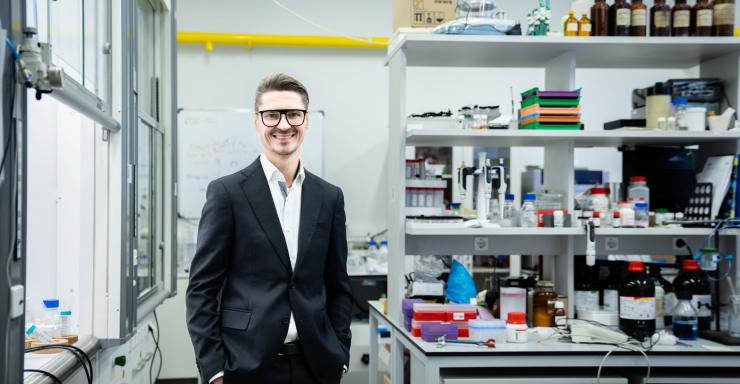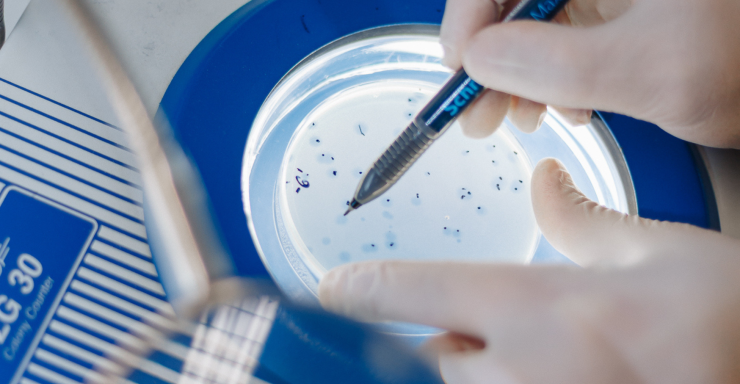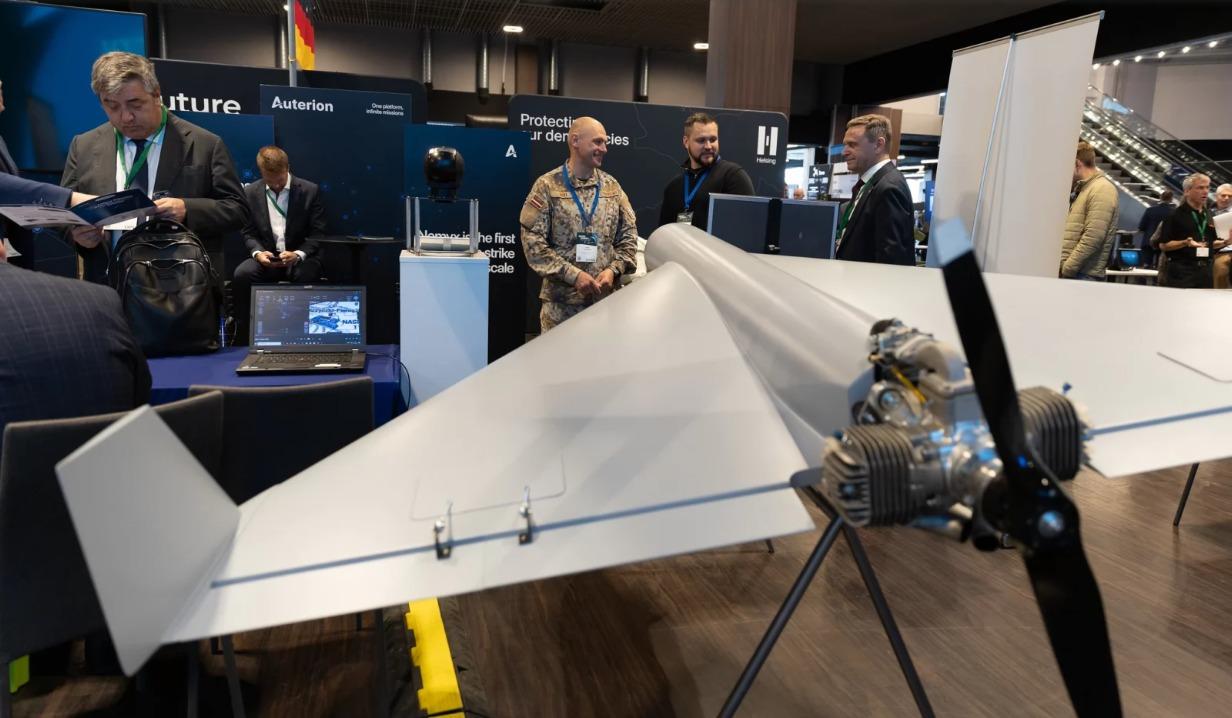
To create an environment where unmanned systems, autonomous technologies, and other innovative solutions can be tested under real conditions, while at the same time promoting cooperation between companies, research organisations, academia, and international partners, the “Baltic Forces Hub” will be established in Latvia, in which Riga Technical University (RTU) will play a particularly significant role.
The “Baltic Forces Hub” will strengthen cooperation between innovation centres in Latvia, Ukraine, and other partner countries, providing an environment for the development, demonstration, and improvement of new technologies. Its establishment is envisaged by one of the memoranda of understanding signed to strengthen technological cooperation between Latvia and Ukraine.
RTU is already developing several dual‑use technology solutions. Unlike military training grounds, whose use is limited and oriented towards the needs of the defence sector, the new testing environment will provide broader opportunities for research, prototype development, and technology validation. It will offer students, researchers, and companies the opportunity to test the latest developments in real‑world conditions, while at the same time establishing direct knowledge exchange with Ukrainian engineers and technology developers, who have accumulated unique practical experience and competences in the rapidly growing field of unmanned and dual‑use technologies.
The new infrastructure will also create additional opportunities for the development of research projects and the establishment of international cooperation, strengthening Latvia’s innovation environment and promoting the creation of new technology companies. At the same time, it will help retain young talent, students, and researchers in Latvia by providing opportunities to work with world‑class technologies and to participate in internationally significant projects. Such an environment will strengthen cooperation between academia, industry, and international partners, fostering the development of new technologies, the training of highly qualified specialists, and, in the long term, contributing to Latvia’s economic growth and competitiveness.
The memoranda of understanding provide for cooperation in various investment and technology development projects in Latvia, including the development, production, and integration of unmanned systems and their components, technology transfer and the expansion of production capacity, as well as the creation of modern demonstration, testing, and innovation infrastructure. Overall, the memoranda form the basis for the establishment of a new environment in Latvia for the development, testing, and production of unmanned systems and dual‑use technologies, promoting the attraction of investment, the development of innovation, and high value‑added manufacturing.
The memoranda were signed by Minister of Economics Viktors Valainis, Director of the Latvian Investment and Development Agency Ieva Jāgere, and representative of SIA “Baltic Forces” Vadims Juniks. Representatives of Ukrainian companies, RTU Rector Tālis Juhna, and Executive Director of the Latvian Military Technology, Drone and Robotics Association Artis Pabriks also joined the signing of individual memoranda. The Minister of Defence Raivis Melnis also took part in the signing of the memoranda. A separate memorandum also provides for the development of an investment project for the development and production of unmanned systems in Latvia in cooperation with the Ukrainian company “GLOBAL DYNAMICS”. The company’s systems are already being manufactured in Ukraine and the United Kingdom, while the implementation of the project in Latvia will ensure the expansion of production capacity, technology transfer, and the development of new competences in the local industry.