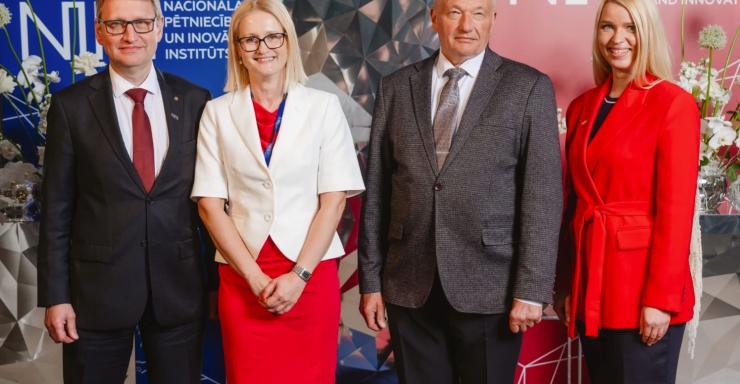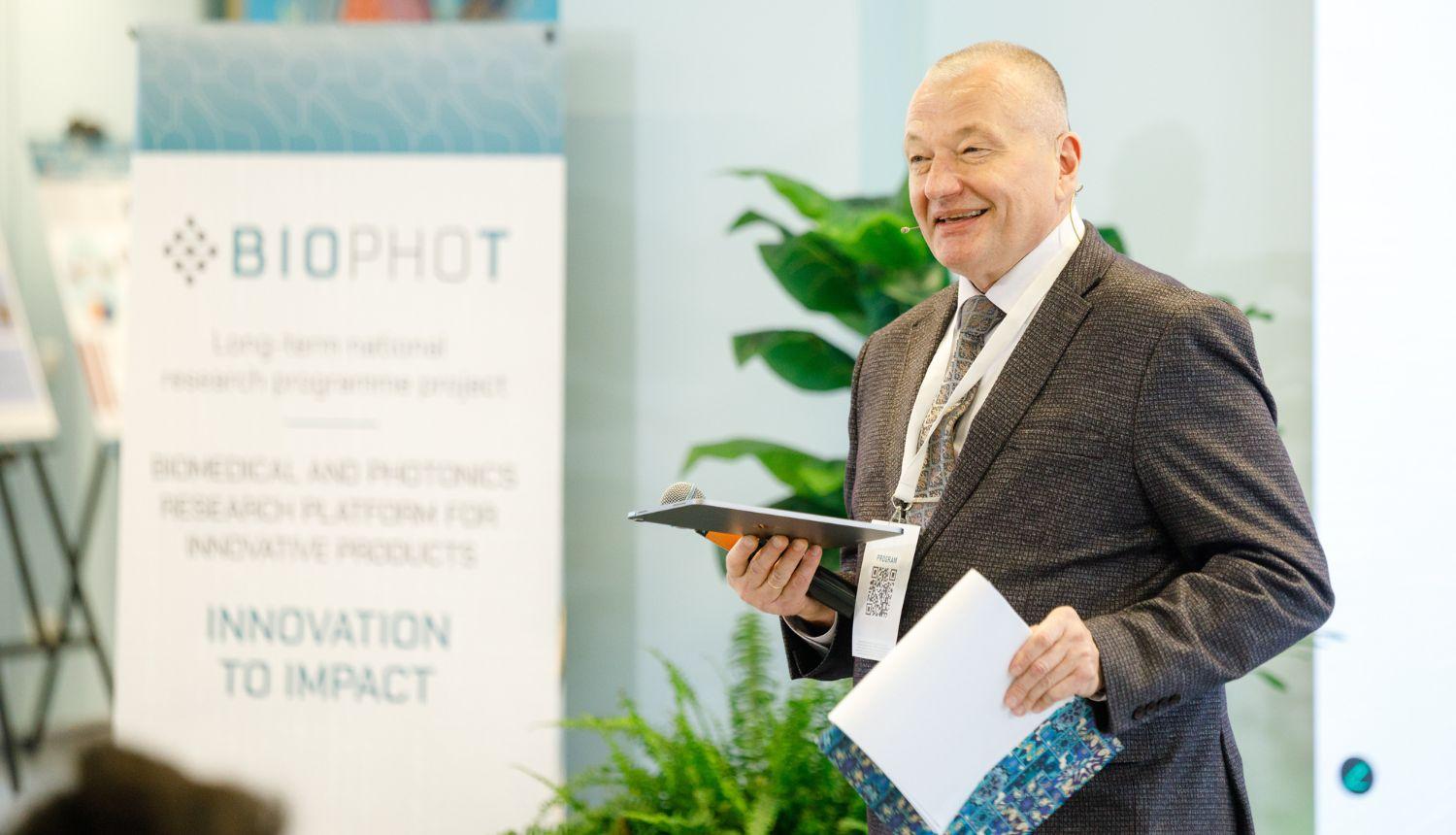
On 10 February, the Latvian Academy of Sciences (LAS) presented the results of the first year of operation of the BioPhoT research platform. Since the launch of the platform, 223 research and innovation project (RIP) applications have been received during the two calls, demonstrating the strong interest of scientists in this initiative. So far, the following have already received support 40 PIP.
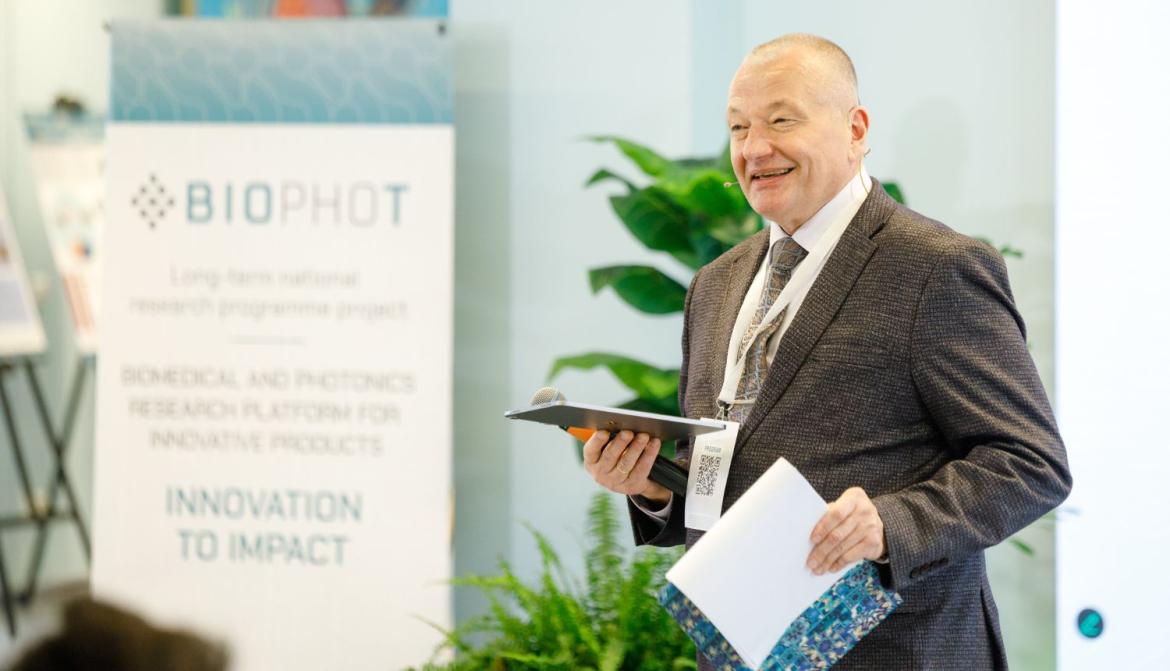
Osvalds Pugovičs, Platform Manager At the LAS Senate meeting, he stressed, "BioPhoT has done a lot to help the scientific community make its results visible to the commercial sector. Although the BioPhoT consortium consists of nine leading research organisations, the platform is open to all Latvian scientists. In the second call, the range of institutions represented was significantly expanded - alongside the consortium partners, Daugavpils University, Latvian University of Life Sciences and Technology, Ventspils University College, Vidzeme University College and Jāzeps Vītols Latvian Academy of Music took part. This demonstrates the development of the platform into a comprehensive instrument of the national innovation ecosystem."
“BioPhoT is a long-term national research programme project, established by a Cabinet of Ministers” Order as a strategic instrument in Latvia's smart specialisation areas - biomedicine, medical technologies and pharmaceuticals, as well as photonics, smart materials, technologies and engineering systems. The Platform aims not only to generate new knowledge, but also to create at least 35 new technologies with high commercialisation potential by 2032. The Platform supports technology development at TRL levels 2-6, bridging the gap between early research and market-ready solutions.
“BioPhoT's organisational model draws on internationally proven examples, including the European ENABLE initiative with a budget of over €100 million, which demonstrates the importance of structured project selection and portfolio management for innovation development.
Project funding is up to €200 000 per project, with a maximum implementation period of 12 months. More than €12 million is earmarked for project implementation by the end of 2026, and €4.275 million for platform development activities.
The quality of the projects submitted under the second call for proposals has increased significantly. While 11% of the 80% projects received the maximum score in the first call, almost a quarter, or 24%, received the maximum score in the second call. This shows that Latvian researchers are improving their skills in identifying solutions with practical applications and in creating a clear value proposition for industry.
At the same time, the report stresses that to compete fully in investment and technology markets, researchers' skills in positioning products and demonstrating the benefits of solutions in the commercial sector need to be strengthened. Targeted training and short visits to companies are foreseen in the near future.
“BioPhoT's Industry Challenge or Industry Challenge database is a unique cooperation instrument in Latvia. Companies publish specific technological problems, while scientists offer solutions based on their expertise.
27 challenges have now been published. Among the companies - Cellbox Labs, Roche Latvia, Latvijas Mobilais Telefons, Kinetics Nail Systems, as well as international partners ABB, Medicover, GSK, Saint-Gobain, Skanska and others. The platform promotes both the creation of new research projects and direct contract research with industry.
“BioPhoT develops strategic collaborations with networks EIT Health, Hello Tomorrow and EUInnovate Together, giving Latvian researchers access to European innovation networks and investment opportunities. Cooperation with the initiative launched in Poland is particularly important EUInnovate Together, which gives Latvian scientists the opportunity to engage with European manufacturing companies in solving science-intensive problems, while strengthening the visibility of Latvian applied science at European level.
The results of the second PIP are expected in early March, when at least 25 more teams of scientists will receive funding to develop their innovations. The next call for research and innovation projects is planned for August 2026. “BioPhoT continues to develop as a long-term mechanism to reduce research risks in the commercial sector, foster the potential of start-ups and strengthen the culture of science commercialisation in Latvia.