The impact of climate change on agriculture is becoming increasingly evident; up to 40% of global crop production is lost each year due to abiotic stresses such as drought, heat, and rapid temperature fluctuations. These losses are growing annually, posing serious challenges to both global food security and the long-term sustainability of farming.
One of the key problems is that most currently available plant stress diagnostic methods detect stress only after visible signs of damage have appeared, or they require laboratory conditions. This makes such methods difficult to apply in everyday agricultural practice, especially on small farms.
However, plants respond to stress much earlier than it becomes visible to the naked eye. When a plant enters a stress state, its photosynthetic apparatus responds first, leading to changes in chlorophyll fluorescence. These very subtle changes can be detected using chlorophyll fluorescence spectroscopy, a fast, non-invasive method suitable for field or greenhouse use. Much as a human electrocardiogram can reveal changes in health before clinical symptoms appear, fluorescence signals provide early information about the plant's physiological state.
Under stress conditions, plants simultaneously increase their antioxidant (antiradical) activity, which characterises their ability to neutralise free radicals and maintain viability. By combining chlorophyll fluorescence data with indicators of antioxidant activity, it is possible to create a comprehensive "portrait" of plant stress, enabling rapid, sensitive, and practically applicable diagnostics.
Nevertheless, timely diagnostics is only the first step. Equally important is enhancing plant stress tolerance. In this context, natural biostimulants, such as humates, play a significant role by reducing stress responses and increasing the adaptive potential of plants. This opens the possibility of shifting from reactive stress management to preventive stress control in agriculture.
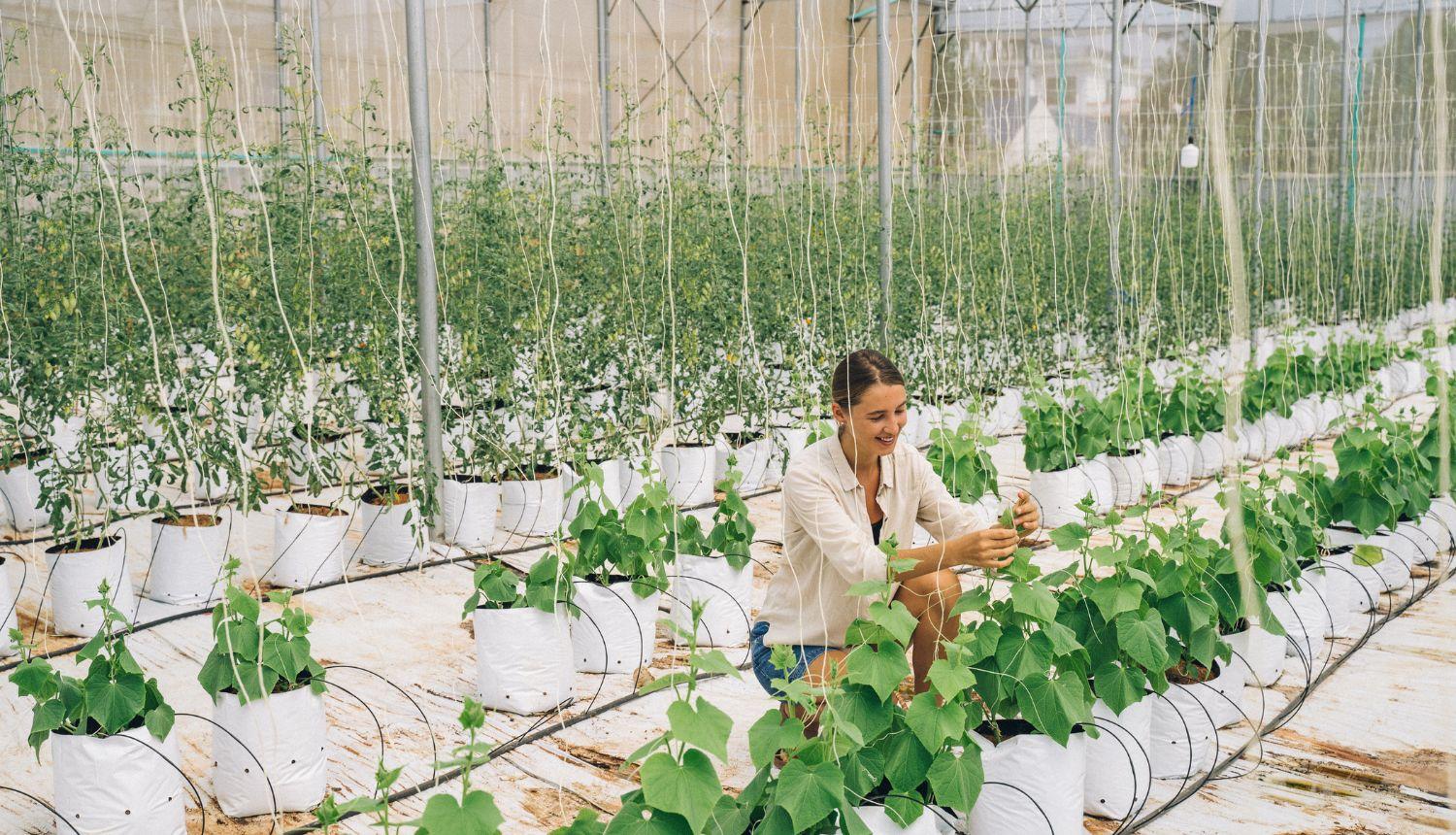
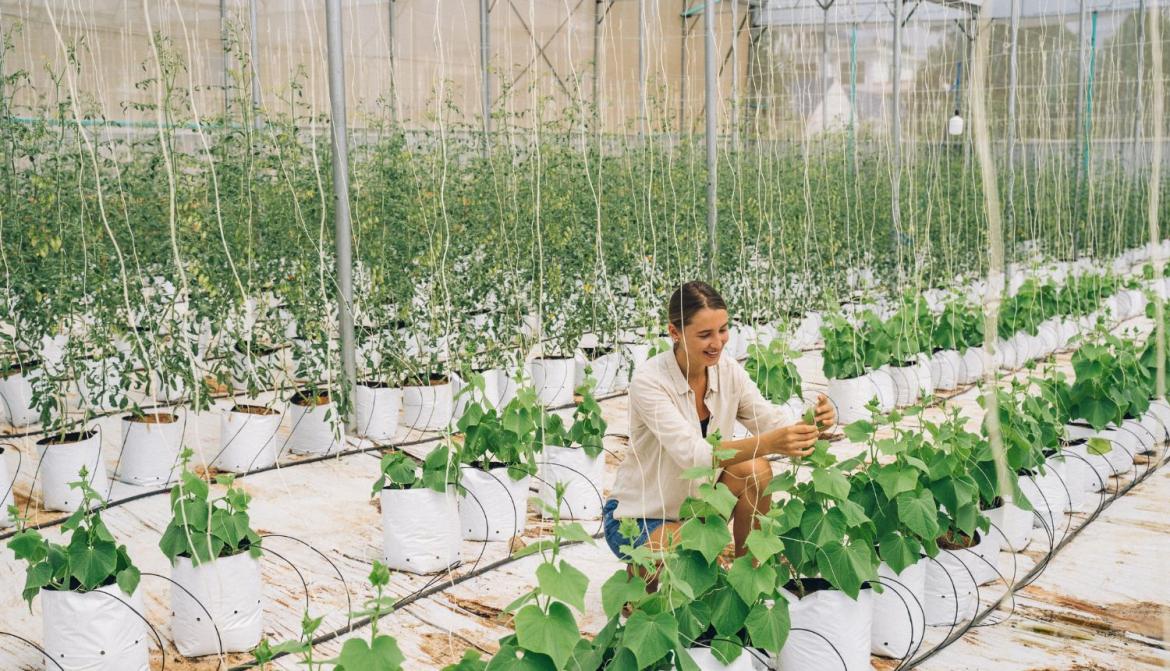
The research will be conducted using cucumbers (Cucumis sativus L.), a crop that is both economically important and particularly sensitive to climate fluctuations, making it especially suitable for stress-related studies.
The main objective of the study is to develop an integrated rapid model for plant stress diagnostics that ensures early detection of stress, enables scientifically grounded evaluation and optimisation of biostimulant application, supports the integration of obtained data into digital monitoring systems, and promotes the implementation of sustainable agriculture principles in practice.
This study represents an attempt to "learn to listen" to plants before they begin to lose their vitality—and consequently yield—by establishing a scientifically sound foundation for more sustainable and precise agricultural practices.
The research is being carried out within the framework of the project "Development of an Express Method for Early Detection of Plant Stress and Enhancement of Stress Tolerance" (EXPLORERS, No. 1.1.9/LZP/2/25/196).