Gender equality
May 19, 2026
European Research Area initiative No. 3 is an important part of the European Union’s structural policy in the field of gender equality. Its aim is to strengthen gender equality and inclusion, with a particular focus on intersectionality.
The Ministry of Education and Science, as well as the Latvian Council of Science, regularly participate in the initiative’s meetings and working groups. In them, representatives from all member states of the initiative are informed about the latest research on gender equality, share examples of good practice, and work on aligning national regulatory frameworks among European Union member states in order to promote a unified approach to addressing gender equality challenges in science.
Gender equality plans are one of the common policy instruments of European Union member states, through which positive long-term changes are promoted in the organizational processes of institutions in the fields of research and innovation, in order to combat and reduce gender inequality. In total, 45 scientific institutions listed in the Register of Scientific Institutions of Latvia have prepared detailed plans, which are available on the website of each institution. The public availability of gender equality plans is an important prerequisite for attracting funding in the “Horizon Europe” programmes.
To obtain more information about Latvia’s representation in the ERA in the field of gender equality and to get involved, please write to:
National Contact Point: Krista Anna Zalāne, Senior Expert (European Research Area), krista-anna.zalane@izm.gov.lv
Representative of the Latvian Council of Science: Santa Zirne, Head of the Programme and Project Analytics Division, santa.zirne@lzp.gov.lv
Gender equality
May 19, 2026
On 13 May, a discussion “Gender equality plans in higher education institutions: exchange of experience on implementation” took place at the EU House. It was attended by representatives of the Ministry of Education and Science, the Ministry of Welfare, higher education institutions, and scientific institutions.
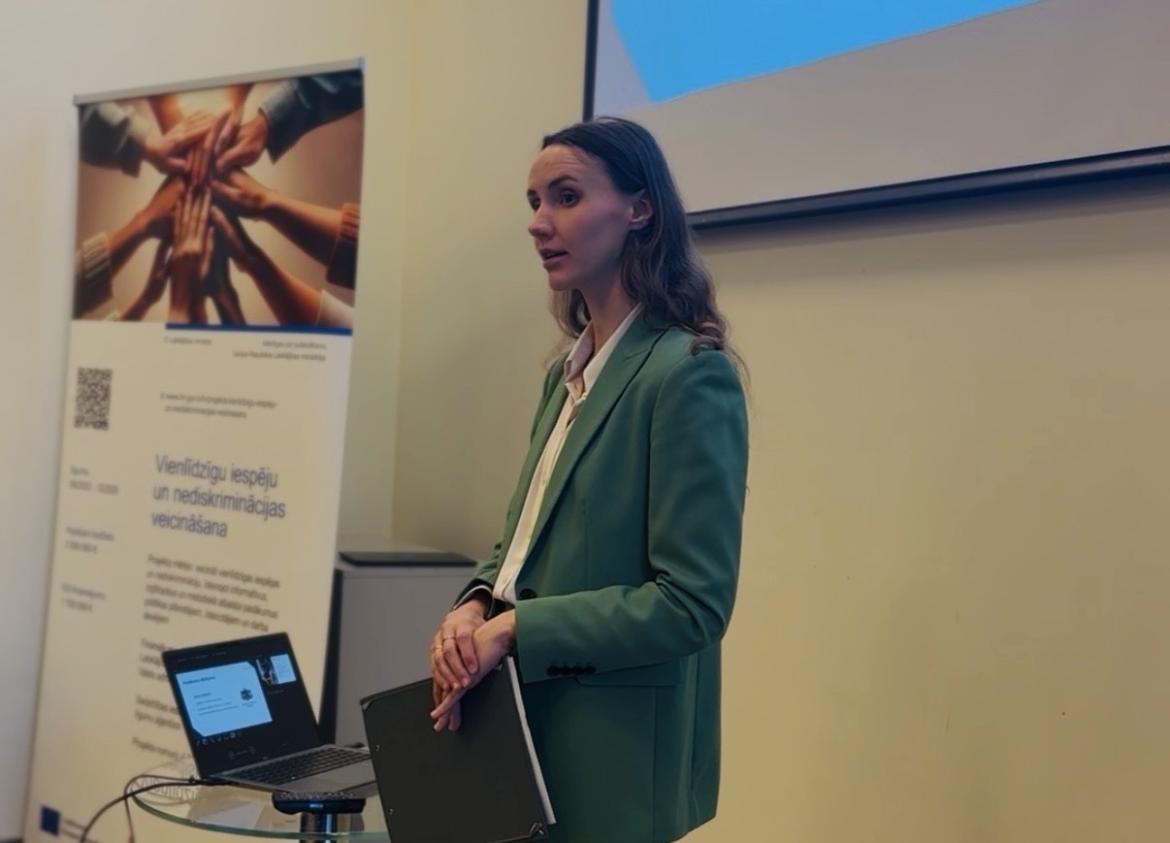
“Equality is a sign of the quality of any system. Therefore, discussions about whether our academic environment is capable of attracting, retaining, and developing talented people regardless of gender or other circumstances are important. We cannot afford a situation in which someone who is capable of offering solutions to today’s problems leaves the academic environment—not due to a lack of ability or interest, but because the environment is not sufficiently safe, fair, or professional,” noted Anna Leiškalne, Deputy Director of the Department of Higher Education, Science and Innovation in the field of science.
During the event, comparative data at the European level were presented, as well as presentations on the experience of scientific institutions in addressing specific challenges took place.
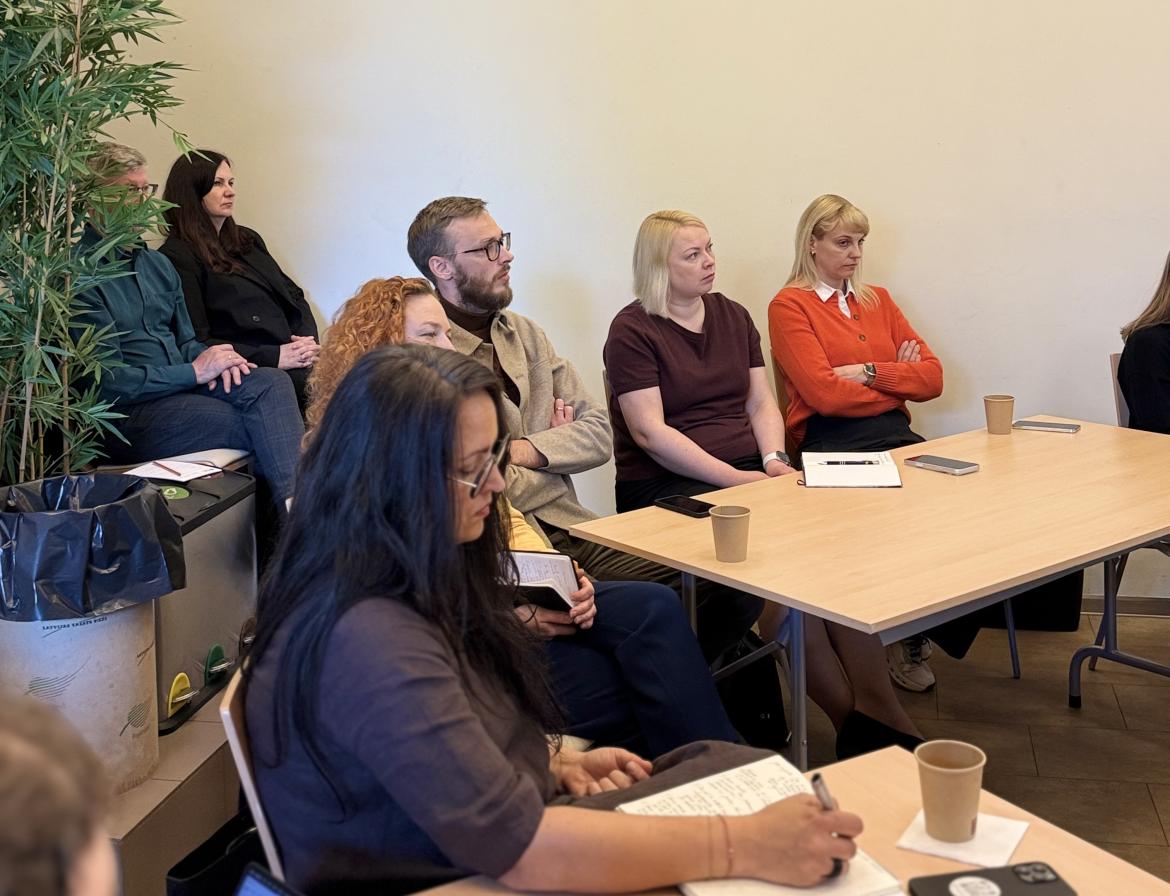
"In the second part of the event, representatives of various higher education and scientific institutions actively shared their experience, both by informing about the current situation in their institutions and by sharing examples of good practice. Participants shared various challenges they had successfully overcome and put forward new proposals on how to promote gender equality and inclusion in their institutions in the future,” says Krista Anna Zalāne, Senior Expert of the Department of Higher Education, Science and Innovation of the Ministry of Education and Science.
The discussion covered a wide range of issues, including drawing attention to the fact that equality is not only about ensuring an equal number of women and men in scientific institutions, but is measured in a much broader sense—in the distribution of positions between men and women, opportunities to take paid parental leave and to successfully return to work in science afterwards, as well as in other aspects. Issues of creating an inclusive environment in general were also not forgotten, in which employees of the field do not experience discrimination not only in terms of gender, but where gender equality issues are viewed more broadly—in the context of intersectionality.