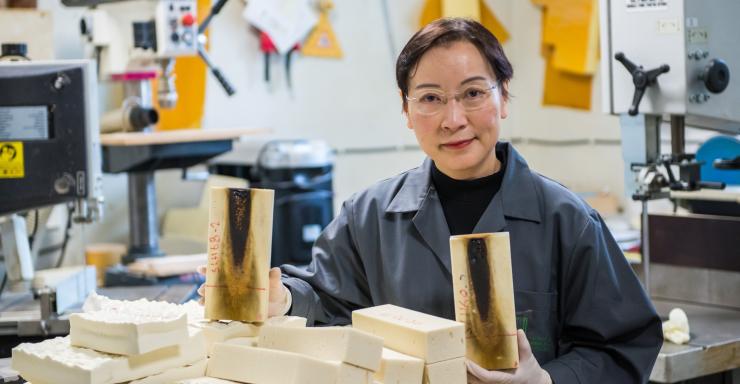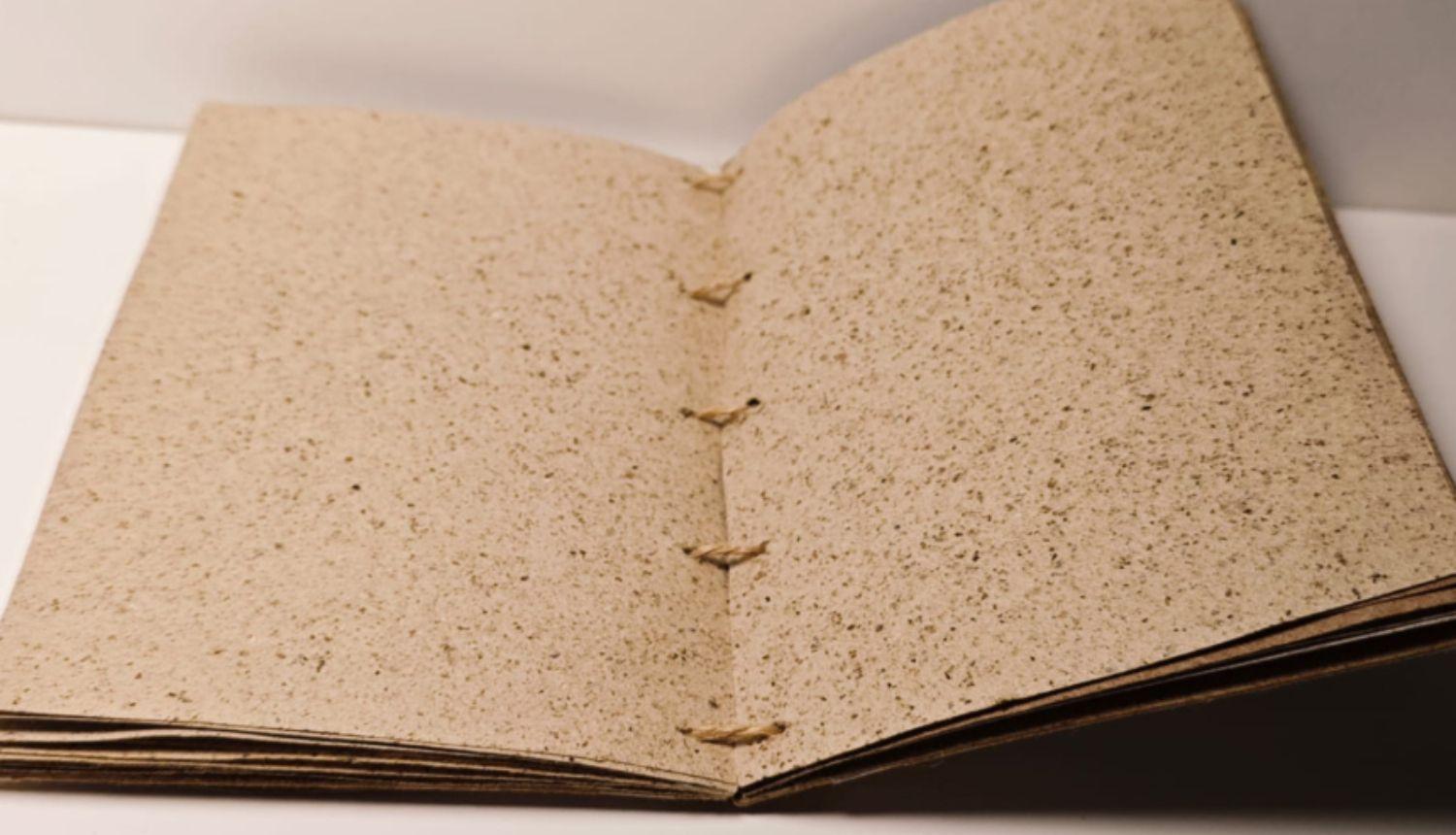
When black tea residues, hemp fibres, pine cellulose and recycled paper come together on a laboratory bench, an obvious question arises: can these everyday materials reveal something new? Driven by this kind of research curiosity, a scientific project by a student of Riga State Classical Gymnasium was carried out at the Latvian State Institute of Wood Chemistry, exploring the production of paper from black tea residues combined with different types of fibres.
The project was conducted by 11th-grade student Xinru Xie in collaboration with the LSIWC Cellulose Laboratory. The scientific consultant was Dr. sc. ing. Inese Fiļipova, Head and Senior Researcher of the Institute’s Cellulose Laboratory, while the project supervisor was teacher Marija Kramorenko.
Research Concept and Methodology
The study aimed to evaluate whether black tea residues could be used as a supplementary raw material for paper production when combined with hemp, pine and recycled-paper fibres in different proportions. In the practical part of the work, nine fibre combinations were prepared in LVKĶI laboratories, resulting in a total of 36 paper samples.
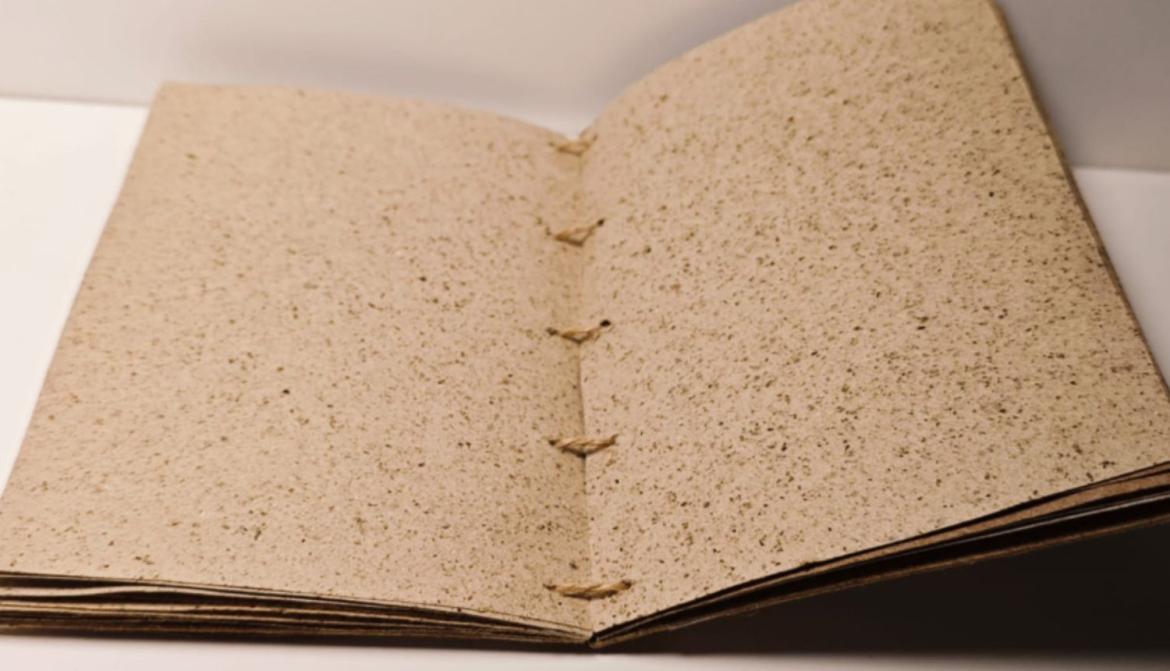
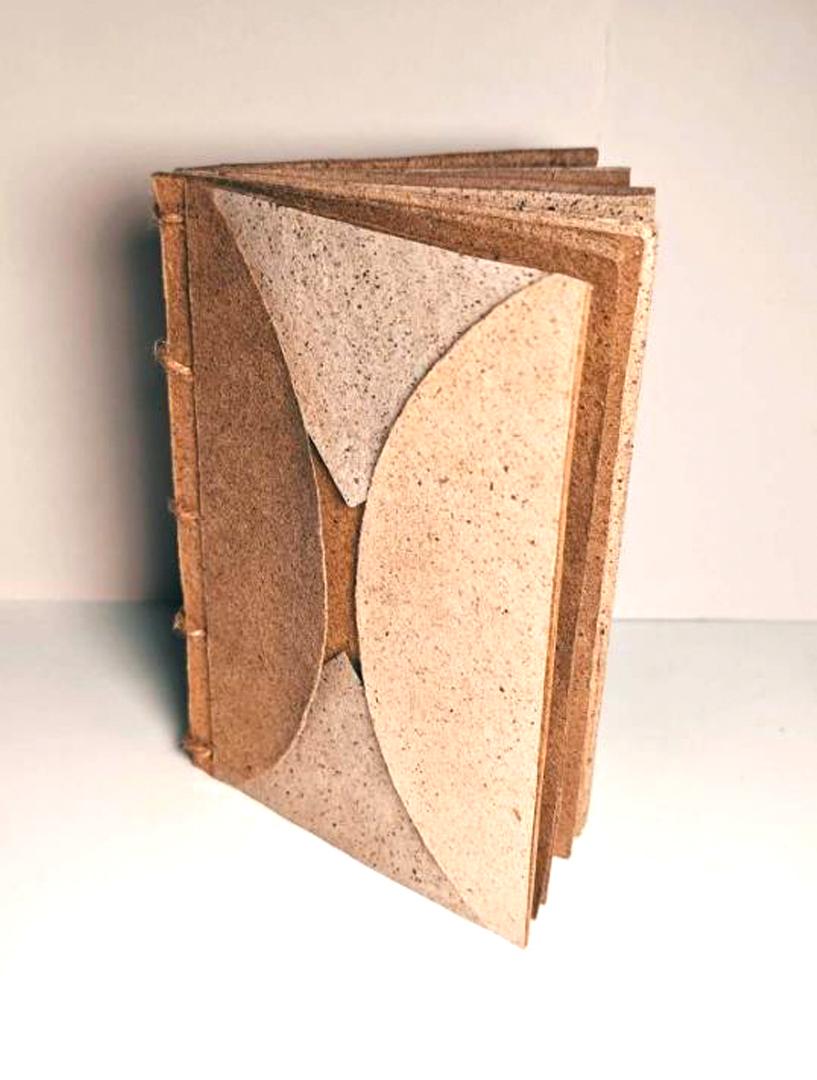
Each combination was tested using specialised equipment to determine air permeability, surface smoothness, mechanical strength, brightness and opacity, as well as to assess potential practical applications. Some of the samples were also used to produce a decorative notebook prototype.
What Did the Measurements Reveal?
The results highlighted several characteristic patterns.
Pine–tea combinations showed high air permeability, making them suitable for filter-paper-type products. Hemp–tea samples with a higher fibre content demonstrated strong mechanical performance, while recycled-paper–tea and hemp–tea samples in equal proportions formed particularly smooth surfaces suitable for printing.
Tensile and burst tests provided further insight: higher contents of wood or hemp fibres increased paper strength, whereas a high proportion of tea residues produced darker, more decorative materials.
Evaluation of optical properties confirmed that certain combinations yielded light, uniform paper suitable for writing materials, while others resulted in visually expressive design paper. Opacity values remained similar across all combinations, indicating stable sheet structures.
Conclusions
The study confirmed that black tea residues alone are not a fully sufficient raw material for paper production; however, when combined with hemp, pine or recycled fibres in appropriate proportions, they can yield materials with interesting properties and practical potential. Seemingly simple biomass residues can, under suitable conditions, become the basis for functional and promising materials.
At the same time, laboratory work gives young people the opportunity to experience scientific research in practice — from planning experiments and operating equipment to data processing, critical evaluation and concluding collaboration with experienced researchers.