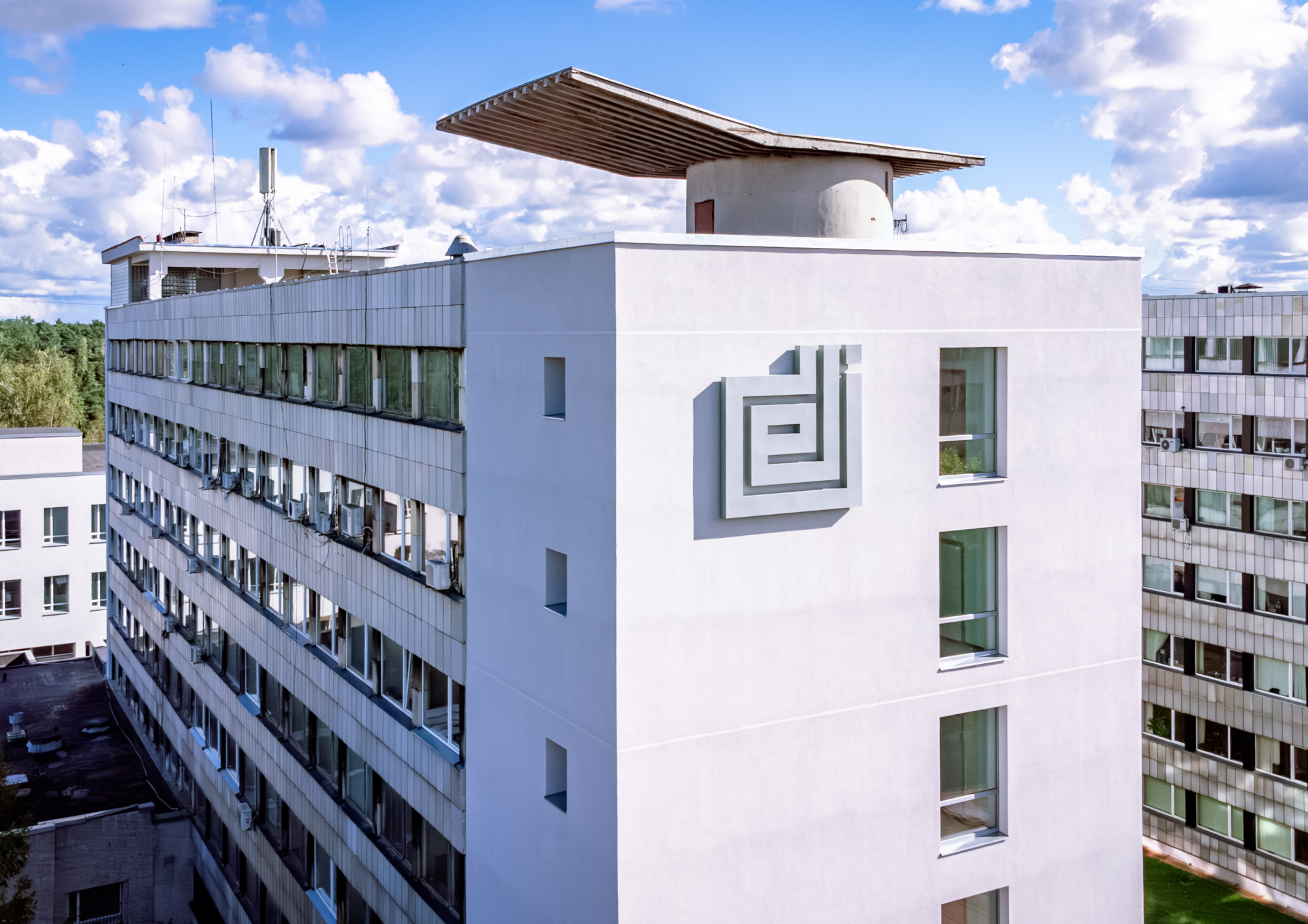
The Institute of Electronics and Computer Science (EDI) is one of Latvia’s leading scientific institutions in the fields of information and communication technologies, electronics, and smart technologies. With more than 66 years of experience in scientific research, EDI develops innovative solutions in electronics, robotics, artificial intelligence, smart sensors, energy systems, and other technology fields.
EDI conducts both fundamental and applied research within the Latvian Smart Specialisation Strategy (RIS3) priority areas of “Information and Communication Technologies” and “Smart Materials, Photonics, Biotechnologies and Engineering Systems.” The Institute’s researchers collaborate with industry, research centres, universities, and other organisations in Latvia and internationally, implementing research and innovation projects.
EDI’s mission is to perceive the world objectively and inquisitively and design a better future for humanity by creating new knowledge, developing innovative technologies, and demonstrating their practical significance in real-world applications.
Six Research Directions
EDI’s research covers six complementary technology areas:
Ultra-precise event time measurement;
Remote sensing and space data processing;
Robotics and machine perception;
Signal processing and embedded intelligence;
Smart sensors and the Internet of Things;
Sustainable and resilient energy systems.
The results of these research activities contribute to five priority application areas: smart mobility, Industry 4.0, future health, digital life, and space.
From Scientific Ideas to Technology Demonstrators
EDI focuses on Technology Readiness Levels (TRL) 3–5, bridging the gap between academic research and industry. The Institute’s researchers develop scientific concepts into technology demonstrators and solutions that can be tested in environments relevant to real-world applications.
Research results are developed in cooperation with industry partners through joint and contract research, supporting technology transfer and creating opportunities for the practical application and commercialisation of research outcomes.
International Research Collaboration
EDI has more than 400 international partners and actively participates in European research and innovation projects. The Institute has participated in more than 30 Horizon Europe projects, collaborating with research institutions, universities, and companies across Europe.
EDI’s international collaboration includes both long-term research partnerships and joint technology development, creating opportunities to advance the Institute’s expertise and research results in an international environment.
Supporting the Next Generation of Researchers and STEM Education
EDI contributes to the development of the next generation of researchers and cooperates with Latvian universities, providing students with opportunities to participate in research projects and undertake bachelor’s, master’s, and doctoral theses.
The Institute also actively promotes STEM fields and science among the wider public by organising and participating in science communication events, school visits, European Researchers’ Night, science festivals, and other public engagement activities.
Research with Practical Impact
EDI’s knowledge and technologies address future challenges in areas such as smart and autonomous mobility, automated manufacturing, healthcare, digital life, energy, and space technologies.
The Institute’s expertise ranges from ultra-precise time measurement and digital signal processing, which have long been among EDI’s established research areas, to emerging technologies including artificial intelligence, machine learning, robotics, machine perception, smart sensors, and the Internet of Things.