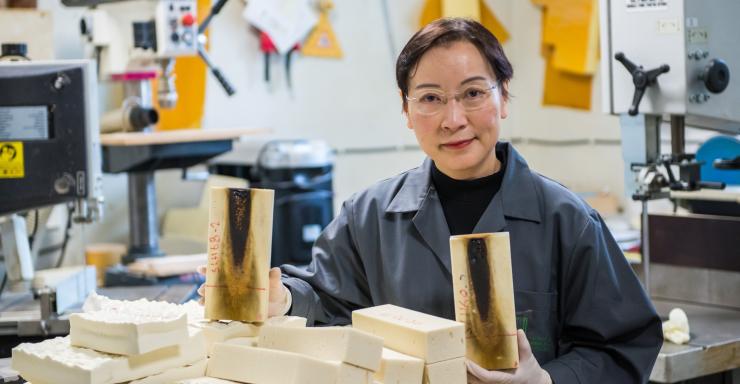
In January 2026, the Institute of Horticulture, together with six cooperation partners, launched the implementation of a new project entitled "Innovative Products Suitable for Crisis Conditions Based on Hemp, Honey, and Berries, Using Raw Materials Sourced in Latvia and a Short Supply Chain."
Hemp cultivation is considered one of the most profitable agricultural sectors, as all parts of the hemp plant can be used for processing. In recent years, with the introduction of new Latvian-origin varieties into production, a clear trend of increasing hemp cultivation areas has been observed. While in 2020 the Rural Support Service declared 778 hectares of hemp, by 2025 this area had increased to 2,230 hectares. However, hemp cultivation still accounts for only 0.12% of the total area declared for support. This is due to several factors: hemp cultivation requires substantial knowledge and appropriate technologies, and the most significant challenge is the lack of a well-developed processing and distribution network in Latvia. The majority of harvested hemp seeds are exported unprocessed, which means growers often have limited opportunities to sell or process their produce locally, and the value of seeds as a raw material remains comparatively low. Consequently, income from hemp cultivation could be significantly increased by developing local processing capacity.
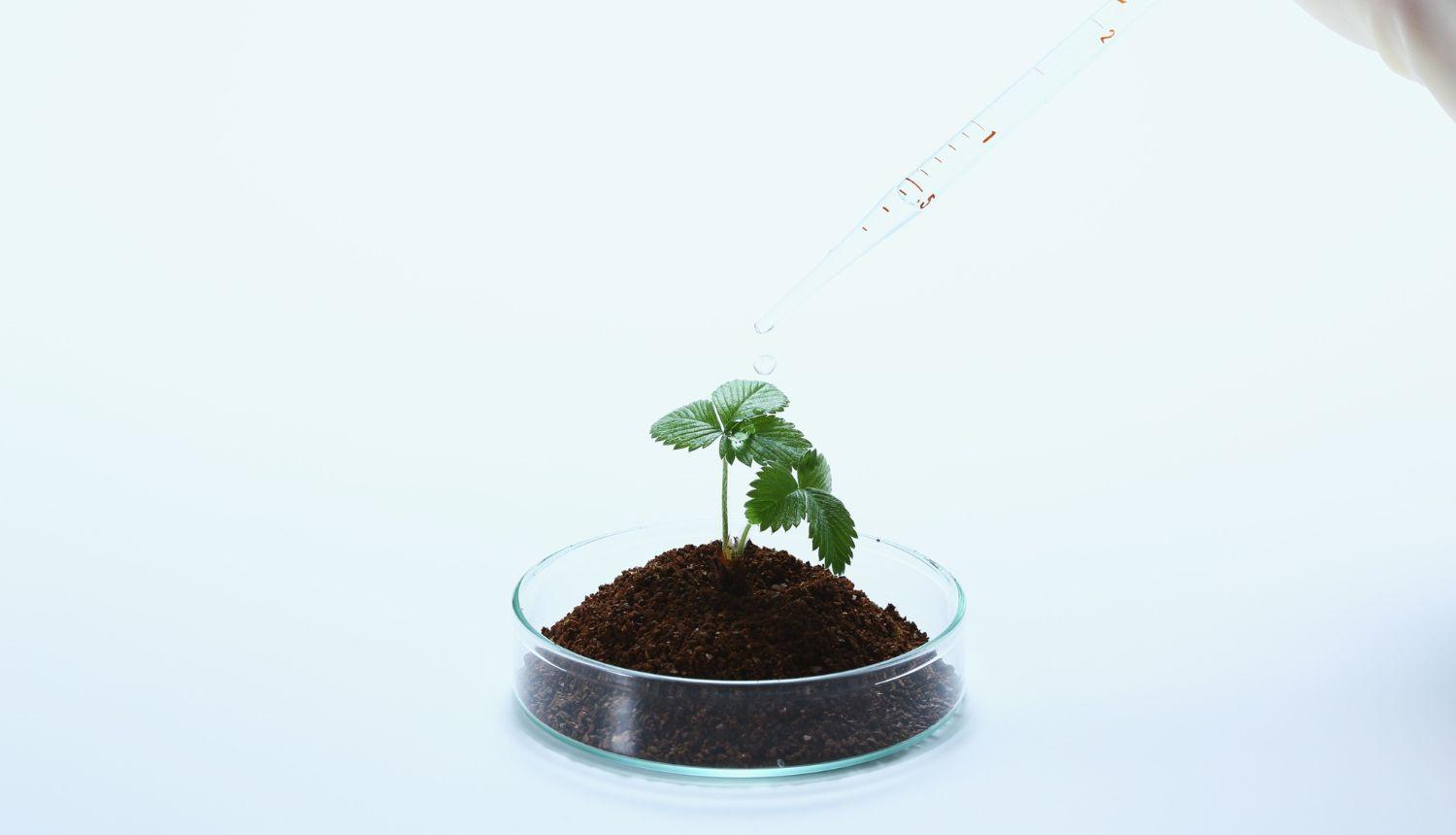
The project plans to develop solutions for a new hemp cultivation technology by modifying the ratio of female and male plants in dioecious hemp varieties, thereby increasing seed yields.
The majority of project resources will be directed toward developing innovative new food products with substantially improved properties and technical parameters. These products will be manufactured from local raw materials using a short supply chain. Their composition will include nutrient-rich ingredients such as hemp seeds, honey products, and by-products from sea buckthorn and cranberry processing. The new products are intended as long-shelf-life foods with high energy and nutritional value, suitable for use in crisis situations and by active individuals. The aim is to offer users a product that can be consumed quickly in small portions, in tablet form. Packaged this way, the products would be ideally suited for crisis conditions, travel, gym use, or other activities.
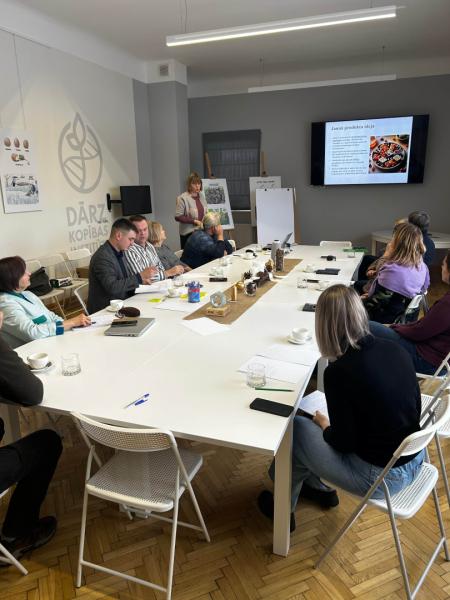
On January 9, 2026, project participants from LPKS “Lādzeres grauds”, “Piesaule” farm in the rural territory of Valdemārpils, I. Valdzera’s farm “Cukuriņi” in Laidze parish, the farm “Sārāji”, Dzintars Šmits, and LLC “Latvian Rural Advisory and Training Centre” met at the Institute of Horticulture to become acquainted and to agree on tasks for the first phase of the project.