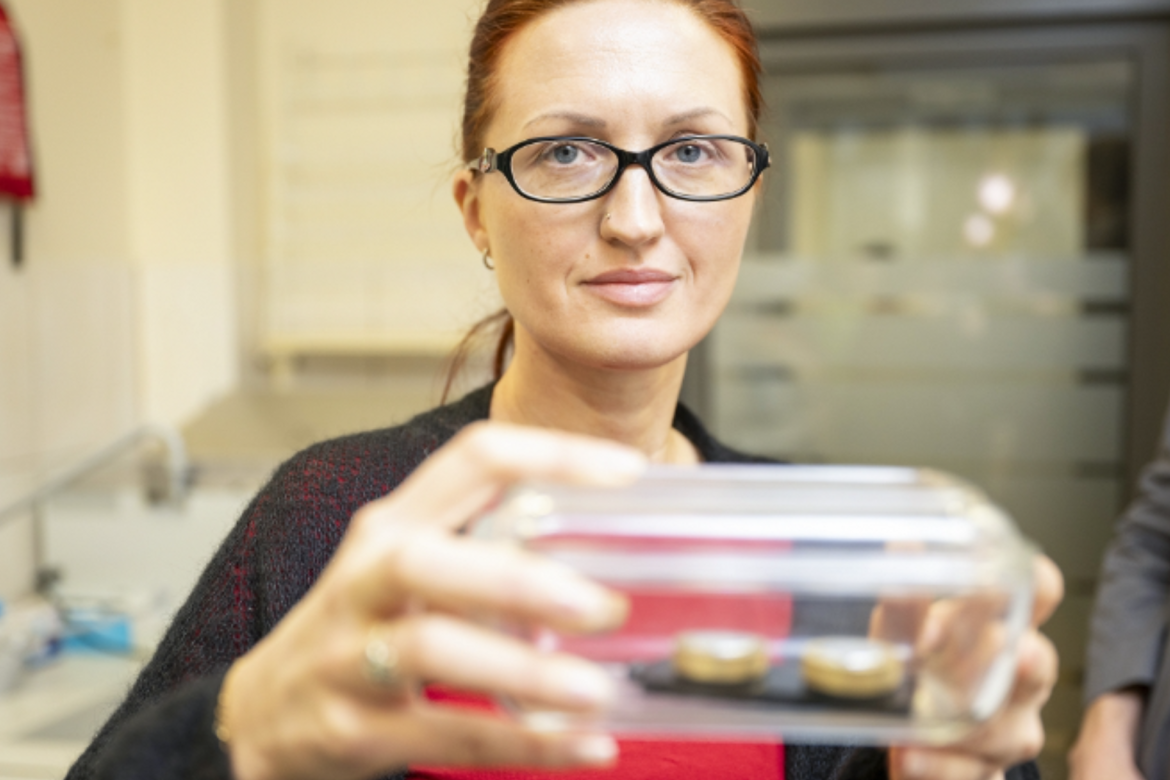
Microplastic pollution is one of the greatest environmental challenges, becoming increasingly serious worldwide. These tiny plastic particles enter our ecosystems, degrading habitat quality and threatening both animals and humans.
Small but Dangerous
Microplastics have become a major issue, prompting scientists globally to study, measure, and assess their impact on humans—though this is no easy task. "The word 'microplastic' itself indicates very small objects, even down to nano sizes," explains Professor Ivars Vanadziņš, leading researcher at the Institute of Occupational Safety and Environmental Health of Rīga Stradiņš University.
Plastic objects surround us, and over time they wear down and degrade, releasing microplastics into the environment. These particles are found in the air we breathe, on our skin, on our lips, in the food we eat, and in the water we drink. "Most of the microplastics we inhale. Breathing 10 to 15 cubic meters of air per hour, there could be around 50 micrograms of plastic per cubic meter. Larger particles get trapped in the nose and throat and are expelled by coughing or sneezing, but smaller particles can reach deep into the body, even into the alveoli of the lungs," he explains.
There are justified concerns that once embedded, plastics may never leave the body. We also ingest microplastics through water and food, and they can penetrate the skin, especially through microcuts, migrating via the bloodstream to the brain and to organs like the liver and kidneys, which filter the blood. Fortunately, some microplastics are excreted through the digestive system, but the tiniest particles may be absorbed into intestinal cells.
"It’s estimated that through eating and inhaling, a person could ingest about a credit card's worth of plastic in a year. How much is excreted and how much accumulates remains unclear," says Professor Vanadziņš.
These plastic particles are dangerous not only on their own but also because they can absorb and transport harmful chemicals such as heavy metals. Plastic pollution in the body can cause hormonal imbalances and other health issues.
Found Almost Everywhere
Over the past 50 years, an enormous amount of plastic has accumulated on our planet.
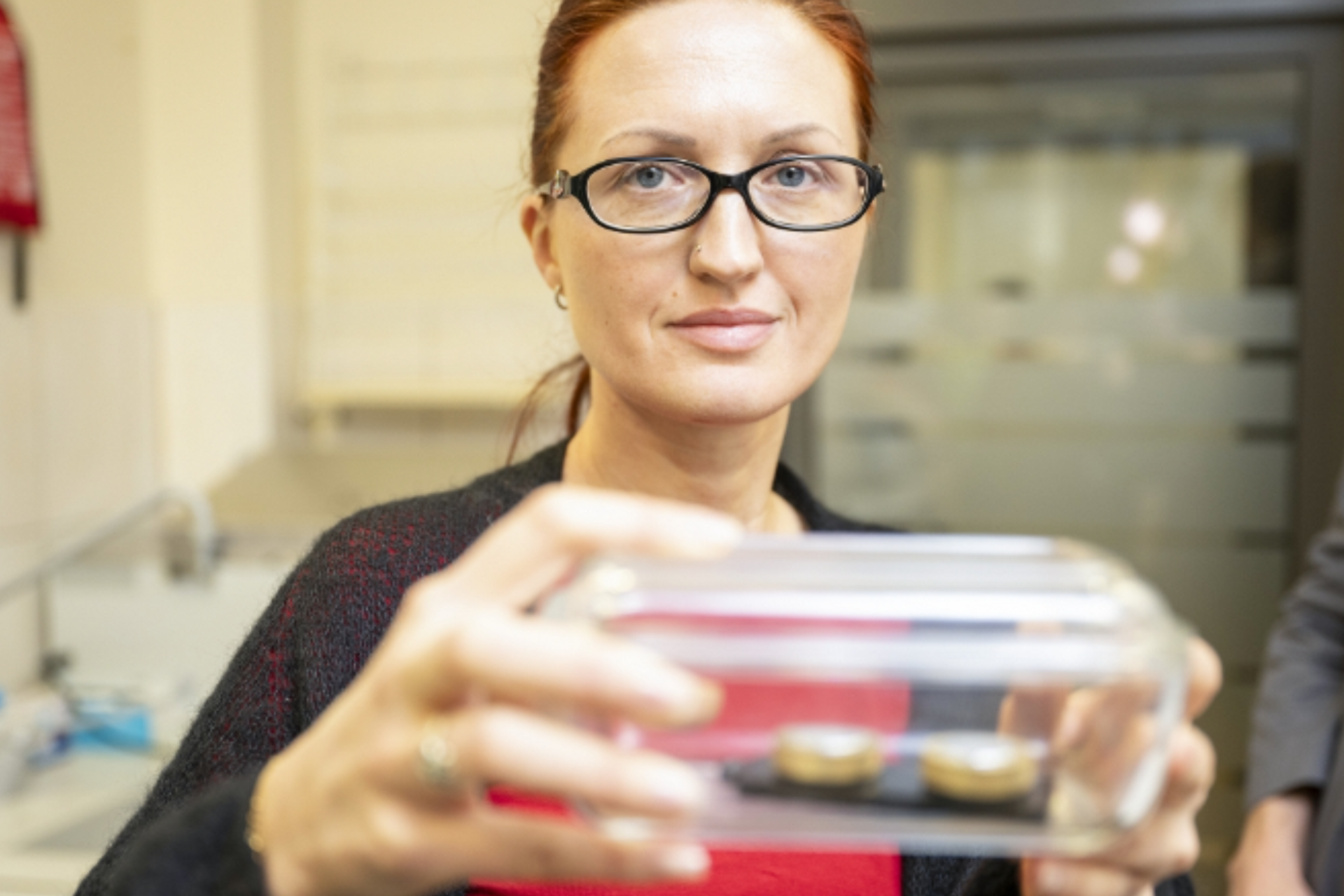
At the Latvian Institute of Aquatic Ecology (LHEI) Microplastics Laboratory, work to measure microplastic concentrations in various media (wastewater, marine and freshwater, even drinking water) is carried out with utmost care. The lab environment is tightly controlled, with air filtration systems and daily wet cleaning to minimize contamination. Even the employees’ clothing is made of cotton to avoid introducing synthetic fibers into samples.
"The first stage of sample processing occurs here—samples are sorted and prepared for further chemical or mechanical analysis to separate plastics from other materials," explains Inta Dimante-Deimantoviča, head of the LHEI Marine Monitoring Department and Microplastics Laboratory.
One study showed that plastics migrate downward into sediments. "We collected samples from several meters deep to determine how deeply plastic particles can penetrate layers formed over centuries or even millennia."
World-Class Research
Once cleaned, the samples are analyzed using a variety of technologies—from basic microscopy to the latest laser-based methods.
The LHEI laboratory leads international projects and collaborates with countries like Poland, the Czech Republic, Denmark, and Greece. Samples from Iceland are also analyzed here, as they do not yet have such laboratories.
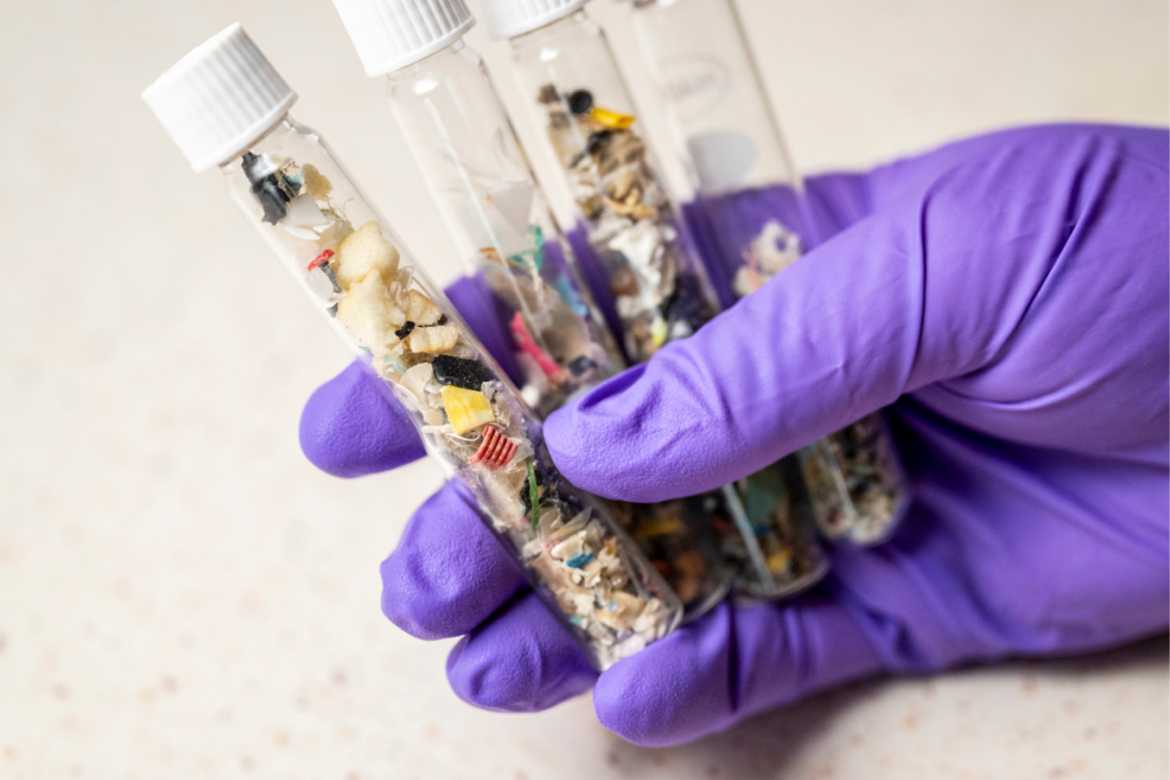
"Our pride and joy is a direct laser infrared spectrometer—the only such device currently in the Baltic States, with the nearest ones located in Poland and Finland," reveals the laboratory head.
Using this equipment, they can automatically analyze tiny microplastic particles down to just a few micrometers and determine their type and approximate age, though age estimation is more complex.
"Sometimes, we find microplastic particles in sand that do not originate from the local environment, proving the global nature of plastic pollution. It can travel by ocean currents to remote beaches with no human activity or infrastructure," says Dimante-Deimantoviča.
Habits That Pollute
The simplest way to combat plastic pollution is to reduce consumption and opt for natural materials without plastic packaging whenever possible.
One of the biggest contributors to pollution is "fast fashion"—a massive industry that produces millions of tons of synthetic clothing annually. Materials like polyester, derived from plastic, not only do not biodegrade but also release microfibers during washing.
Research by Latvian social enterprise Swin Be, which produces swimsuits from recycled materials, found that the first wash is the most critical for microfiber release. One wash can release tens of thousands of microfibers into wastewater and then into ecosystems.
Solutions such as installing special filters or using washing bags to capture fibers during laundry could significantly reduce microplastic pollution, suggests Dimante-Deimantoviča.
Future innovations might include bacteria that break down microplastics or new, more biodegradable materials, offering hope for a cleaner environment.
Sorting and Recycling
Just like globally, public awareness in Latvia about responsible plastic use needs strengthening. Recycling, developing new materials, and choosing sustainable alternatives are crucial to reducing pollution. Waste sorting is also key.
Scientists have found that microplastic particles in the human body mostly consist of polystyrene (used in packaging) and polyethylene (used in food wraps and household products). These particles originate from plastic waste and food packaging.
Although waste sorting is available and mandatory in Latvia, many people still sort incorrectly or carelessly, leading to plastic waste ending up in nature.
The more plastic that is properly sorted and recycled, the lower the risk to the environment.
"The most important thing is to review consumption habits—buy only what you really need and evaluate not just the product’s price and necessity but also its packaging, favoring recyclable or reusable options," emphasizes Žanna Lampicka, project manager at SIA Zaļais centrs.
As long as consumers continue to buy heavily packaged goods, manufacturers and importers will continue producing and delivering them.
However, if consumer habits shift toward products with minimal and eco-friendly packaging, businesses will adapt. Our choices today shape a more sustainable future.