“Latvia’s composites industry requires close and practical cooperation between companies, universities and researchers. The agreement we have signed is not merely a formal confirmation of our shared intentions. It creates a foundation for concrete initiatives, knowledge exchange and the development of new solutions. Our goal is to help ideas and knowledge evolve into competitive products, technologies and new professional opportunities,” emphasises Gunārs Kosojs, Head of the Latvian Composites Association.
“Composites are one of our institute’s strategic research areas. We work on the development of new materials and structures, as well as on modelling and testing their properties, while also integrating this knowledge into the study process. Cooperation with the Latvian Composites Association will allow us to align research topics and study content even more closely with the real needs of industry, while at the same time providing students and early-career researchers with opportunities to work on industry-related challenges during their studies,” notes Līva Pupure, Director of the Institute of High-Performance Materials and Structures at RTU’s Faculty of Civil and Mechanical Engineering.
The agreement establishes a framework for more systematic cooperation, ranging from student training and researcher engagement to joint research and innovation projects, technology transfer, and the implementation of new solutions in industry. To strengthen the quality of education and support talent development, the parties may organise guest lectures and company visits, provide internship opportunities, promote the development of bachelor’s, master’s and doctoral theses on topics important for industry growth, enhance study content, and implement joint activities such as hackathons, mentoring programmes and other initiatives. Joint research and innovation projects, contract research, and active knowledge and technology transfer will contribute to the development, testing and implementation of innovative technological solutions in industry.
“The development and production of the highly specialised composite products manufactured by the Brimer Group companies in Latvia require top-level engineering expertise at every stage, from design to the final structure. Therefore, we are truly pleased to see the strengthening of the partnership between RTU and the Latvian Composites Association, which will help more purposefully connect academic education with the real needs of industry. As export-oriented companies, it is critically important for us that young specialists and researchers gain exposure to modern manufacturing processes already during their studies. This will not only provide momentum for the development of new industrial solutions but will also strengthen the capacity of the entire composites sector in Latvia,” says Gatis Ginters, Member of the Management Board of Brimer Liepāja.
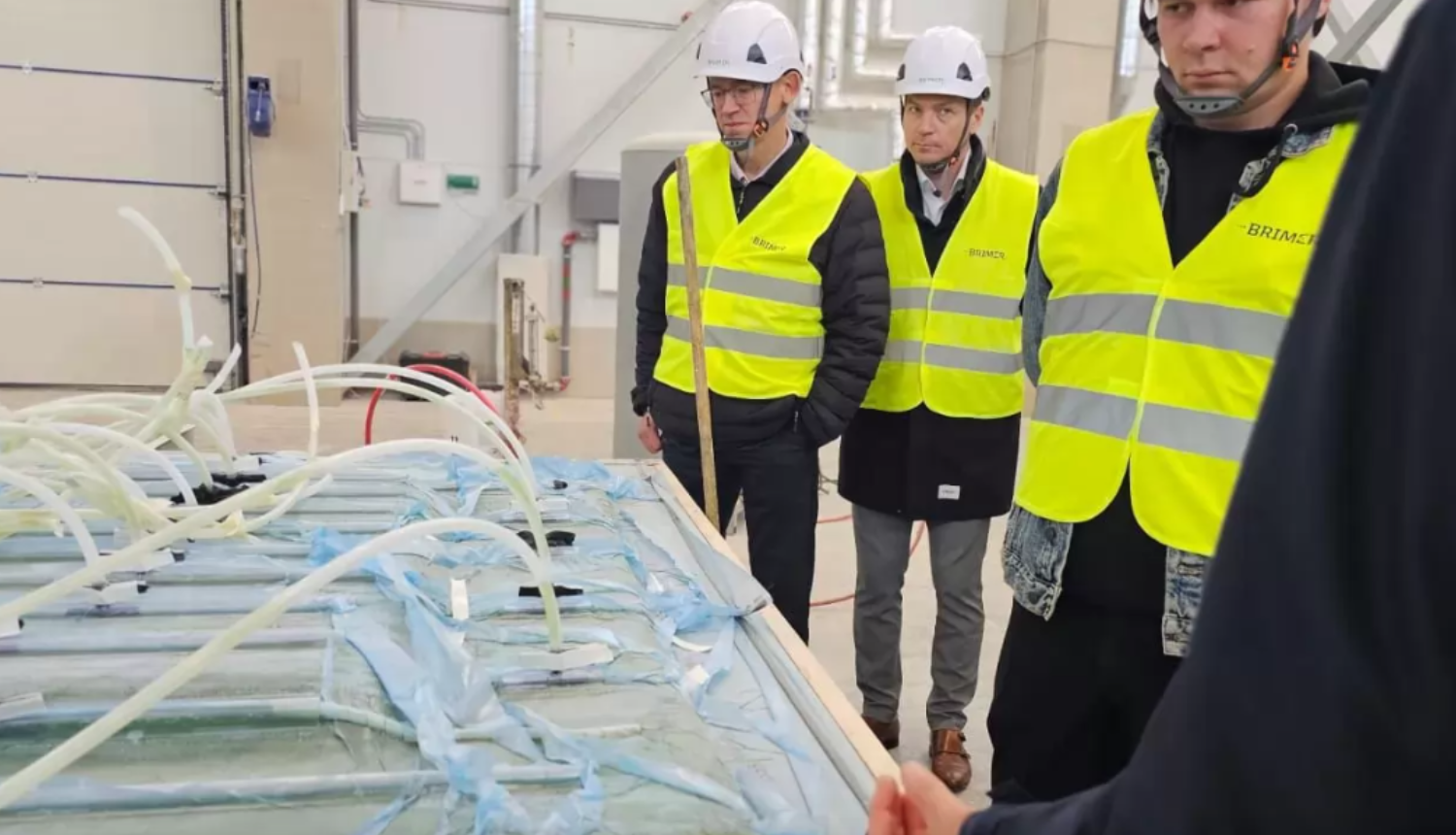
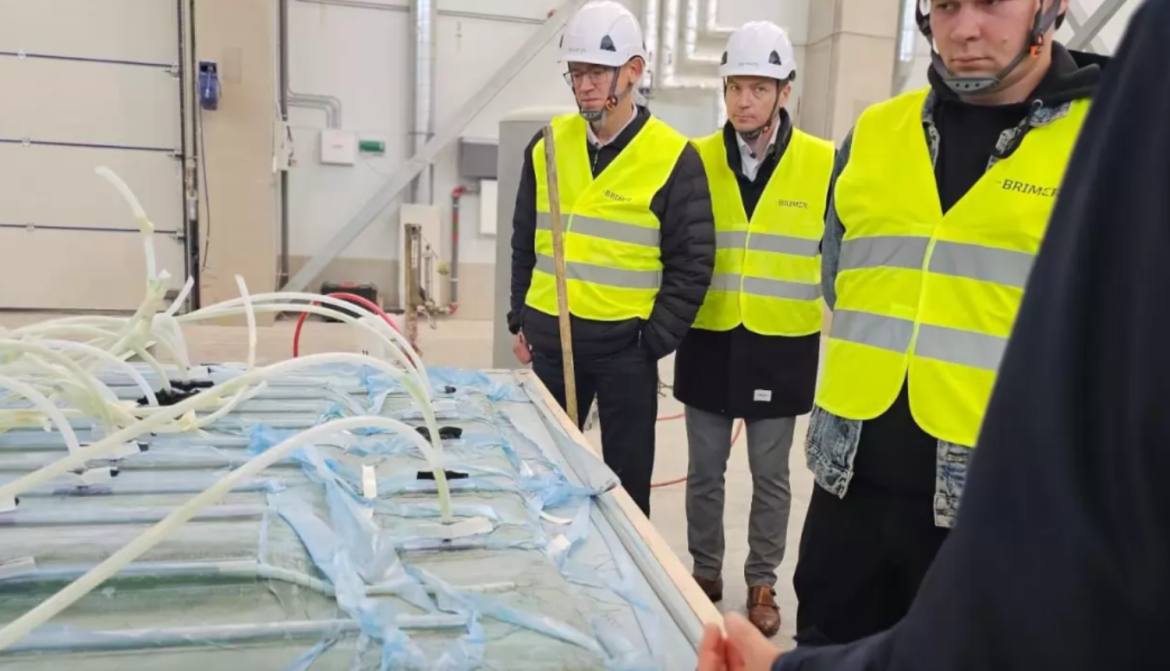
To reinforce their cooperation, representatives of RTU and members of the Latvian Composites Association visited Brimer Liepāja, where they learned about the company’s production processes, experience and the application of composite materials in the development of industrial solutions. The partners also visited RTU Liepāja Academy and RTU Liepāja Maritime College, highlighting the importance of regional education and research in fostering closer collaboration between universities and industry.
The RTU Institute of High-Performance Materials and Structures conducts research and development in multifunctional and composite materials, with a particular focus on optimisation methods, sustainability and the circular economy. The aim is to create next-generation materials and structures that offer not only high performance but also environmental sustainability.
More information: Institute of High-Performance Materials and Structures