As the diversity of microbes in the oral cavity decreases, a favorable environment is created for the development of diseases. By returning closer to nature and using natural methods in oral care, we can prevent health problems in time and even improve the health of the body's microbiome. How can studying the oral microbiome help detect diseases at an early stage?
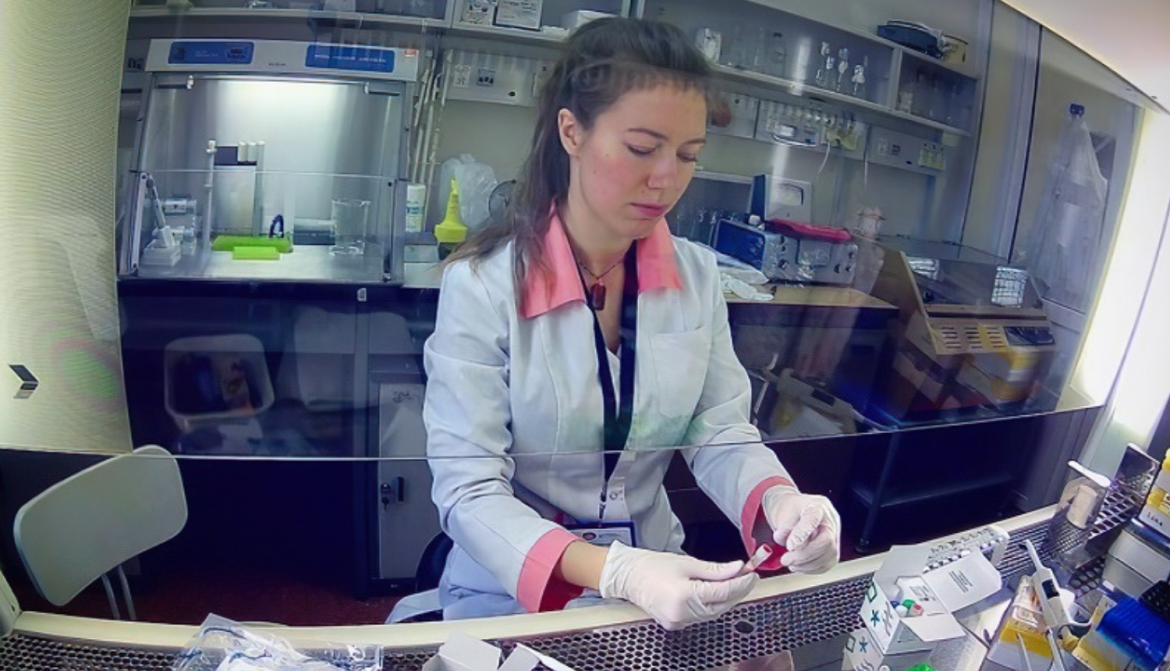
I am not a dentist – I am a pharmacist with a PhD in biology, and now I do research in dentistry. A very versatile professional field. Two main directions that I find very exciting: one is how we could study the oral microbiome to be able to use it as an early diagnostic tool. For example, how could we detect changes in perfectly healthy people before any clinical signs appear?
I became interested in the oral microbiome when I was still a PhD student. My PhD topic was related to the evolution of the microbiome. I studied the historical microbiome from archaeological human dust.
During my research, I realised pretty quickly that if I wanted to hope to catch remains from ancient microbes, the only material where I could realistically look for them was tartar.
My fellow archaeologists brought me ancient human tartar, and I studied what microbes from ancient humans remained there and compared them with what is found in tartar today.
Of course, this was not my discovery, but what I noticed resonated with what I had read in other similar studies: the fact that the modern human microbiome is dying out. Namely, a similar ecological catastrophe is happening at the microbial level as at the planetary level, but we had not noticed it because no device could look so deeply. When sequencing technology appeared – about 20 years ago – it entered the research community en masse. These are the so-called fishing expeditions, when they began to sequence everything that lives in the environment around us and in ourselves.
I was interested in why the oral microbiome is changing – in modern humans it looks different that in ancient times. Maybe it is somehow connected with the so-called diseases of civilisation?
It is a fact that, despite rapid technological development and progress, the number of chronic diseases continues to increase in developed countries.
What is so revolutionary about the microbiome? The microbiome is the collection of all microbes in the human body. We can talk about the human microbiome in general or specifically about the oral microbiome, the intestinal microbiome, etc. Even in the oral cavity there are different biogeographical zones, so the microbiome on the tongue is different from that found on the gums or the inner surface of the cheeks. The microbiome is not only bacteria, but also viruses, fungi - it is an ecosystem that lives by its own laws. Although the microbiome has been studied in the world for more than 20 years, there is still a lot that is undiscovered and unknown.
Microbiome research helps make the world a better place
Why has the microbiome of people in developed countries changed and the diversity of microbes decreased? What distinguishes us from people in other countries of the world or from those who lived in the past? The first thing that comes to mind is contact with nature. People who live in cities today – maybe not exactly like ours, but in big cities in the US or Europe – probably live in a too sterile urban environment. If family or friends are not used to going to nature, then something like a fear of nature arises: it may seem that the earth is dirty and it is unacceptable to touch it. I have myself seen city dwellers who, when they get to nature, were almost shocked, because, in their opinion, there are insects everywhere, everything is dirty and dangerous. This could be one of the reasons why we observe changes in the microbiome – we really miss contact with the diversity of nature.
It can be said that the human microbiome, when compared to archaic humans, has less biodiversity.
There is a belief that the healthier the microbiome, the more diverse it will be, but if there is a disease, the microbiome will be uniform. This is also logical, because, for example, if the microbiome is saturated and diverse, then pathogens that appear from the outside will not get inside: all the niches will be occupied, and it will be easier to repel this pathogen. On the other hand, if there are fewer species, there is less activity, and it is easier for the pathogen to conquer and inhabit the unoccupied niches. At the same time, of course, this is not a law that always works. Some diseases develop precisely in diversity, so diversity is not the only indicator of a "good" microbiome.
Microbiome research in the future
Two main directions that I find very exciting: one is how we could study the oral microbiome in order to be able to use it as an early diagnostic tool. For example, how could we detect changes in completely healthy people before any clinical signs appear? Perhaps there are certain changes in the microbiome that, if noticed in time, a person could consult a doctor in time to prevent the development of some disease in the future. This is one of the directions we have been working on.
The second direction is related to interventions. When some symptoms of a disease already appear, what can we do to normalise the situation and help cure the disease? My first research project was dedicated to periodontitis and interventions that improve the oral microbiome and help patients feel better. Currently, periodontitis is one of my several research interests. Periodontitis is a chronic disease that affects the gums and tissues supporting the teeth. It starts precisely because of changes in the oral microbiome and can very quickly become chronic. It is very difficult to fight it, and most often, patients come to the doctor when clinical symptoms appear. This is when the disease has already progressed.
Statistics show that periodontitis is one of the so-called periodontal diseases, gum diseases, and almost half of people over 30 have signs of this disease. Without oral microbiome analyses, it is very difficult to detect it early.
On the other hand, when periodontitis is already in the chronic stage, it is related to systemic health, to the body as a whole. There is a lot of research on this.
For example, it has been studied that when the gums are injured, damaged, and bleeding occurs, an oral bacterium with the Latin name ‘Porphyromonas gingivalis’ can travel directly to the brain through the blood and settle there, secreting molecules that cause Alzheimer’s disease.
We are currently conducting a clinical study involving periodontitis patients. I am particularly focused on the third stage of periodontitis, when patients are usually prescribed strong antibacterial agents, such as mouthwash with chlorhexidine. Chlorhexidine has quite a few noticeable side effects: taste perception can change, dark spots appear on the teeth. But chlorhexidine, as well as any other strong antibacterial agent, also has more subtle side effects that are not visible to the naked eye. With prolonged use, along with harmful bacteria, those that are very necessary for our health are also destroyed. This can have worrying consequences for our overall health. For example, bacteria in our mouths reduce dietary nitrates to form nitric oxide, an extremely important signalling molecule that helps maintain cardiovascular health. If these bacteria are destroyed, the amount of nitric oxide in the body drops, which can lead to an increase in blood pressure. Therefore, it is especially important for people with high blood pressure to regularly include fresh vegetables that contain naturally occurring dietary nitrates (such as spinach, arugula or beetroot leaves) in their diet and to chew them thoroughly.
In my postdoctoral project, I am studying mouthwashes with essential oils from medicinal plants grown in Latvia as a possible alternative to chlorhexidine. We tested coriander, cumin and chamomile, but coriander oil made it to the clinical trial with patients. Coriander grown in Latvia, cultivated by the Environmental Solutions Institute, has a unique chemical composition that allows it to effectively limit harmful pathogens, maintaining the balance of the oral microbiome that is important for health.