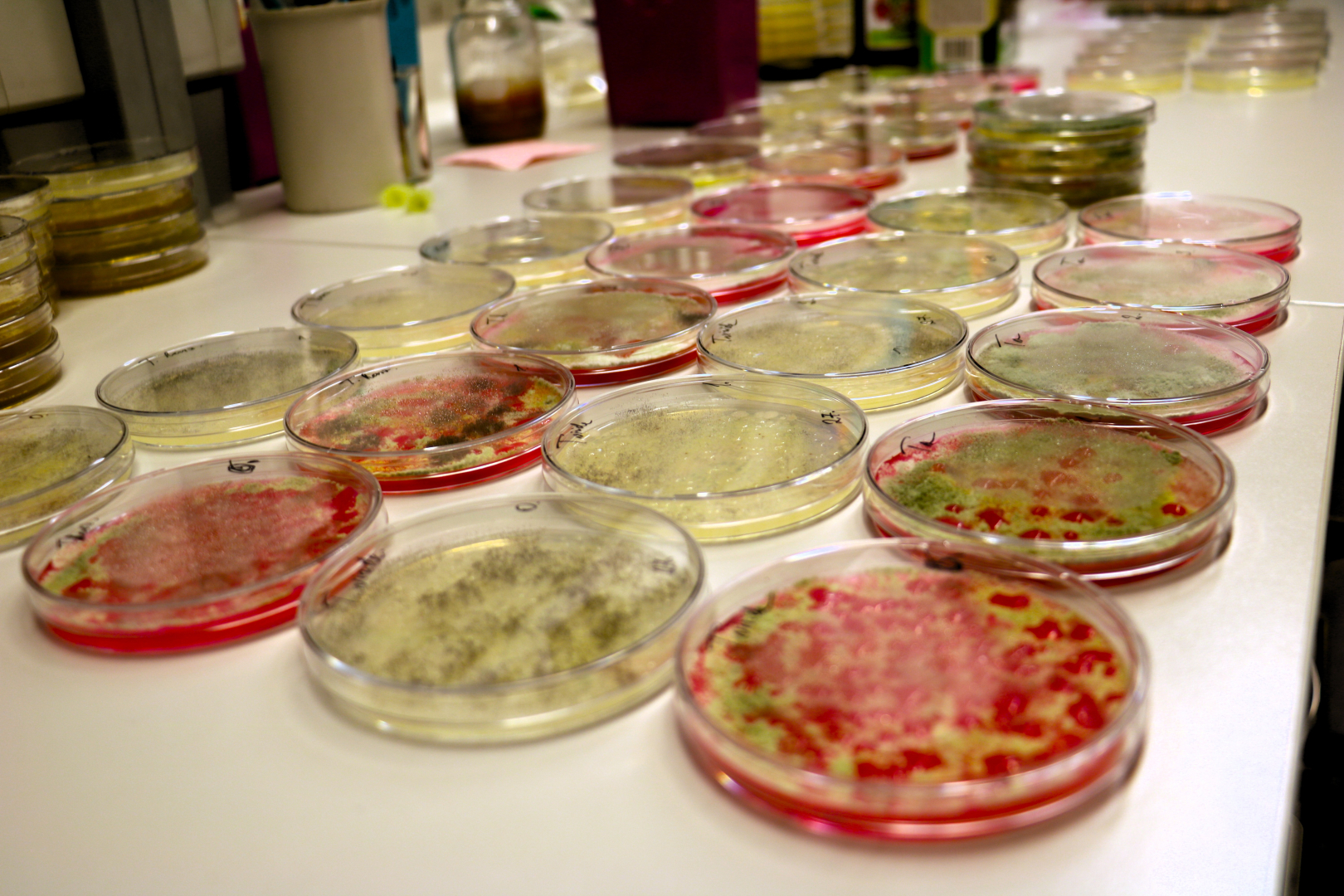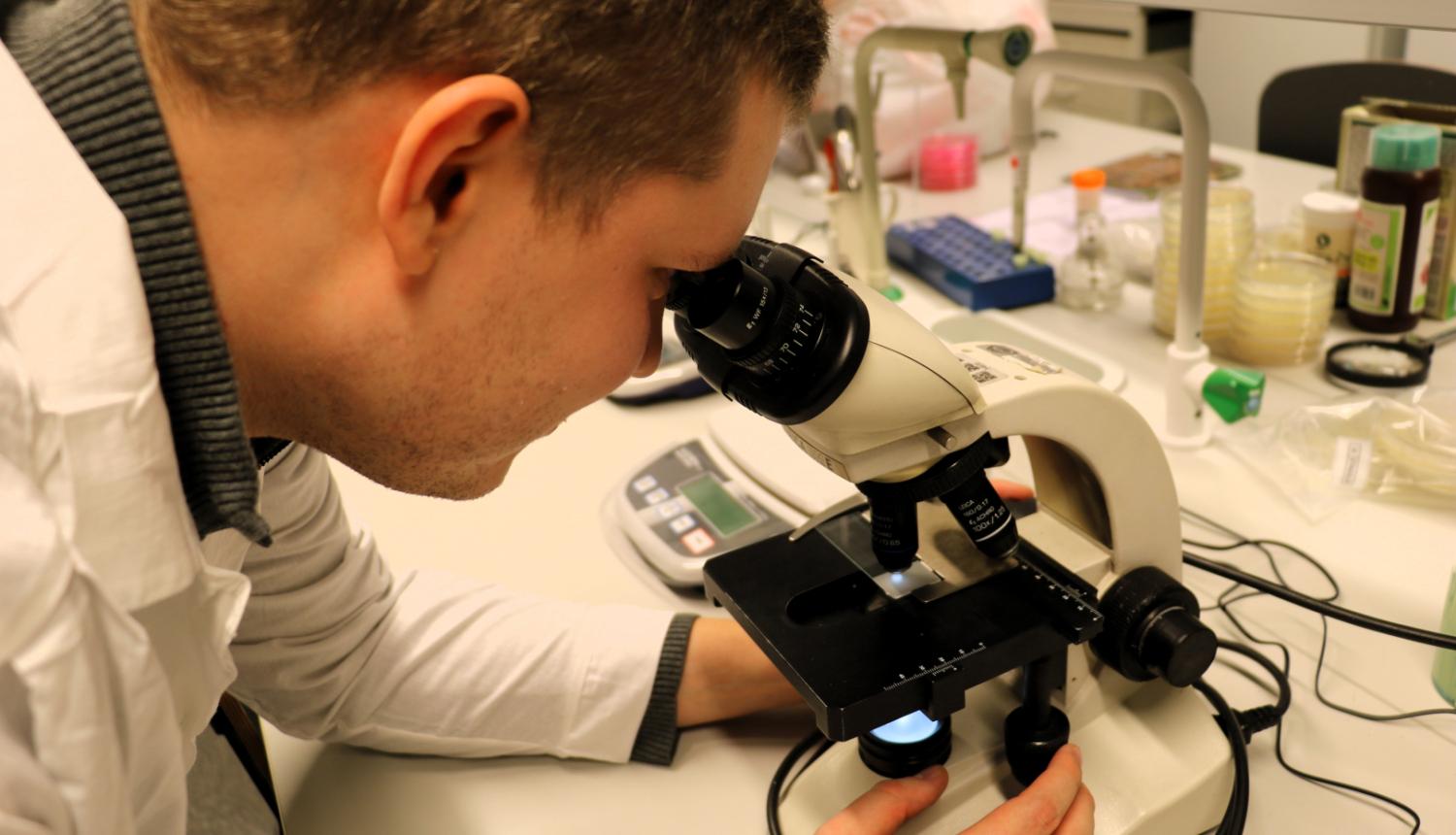
The project 'Characterization and Dynamics of the Seed Microbiome in the Weed Soil Seed Bank,' managed by the Latvian Council of Science under the fundamental and applied research program, implemented by the Latvia University of Agriculture in collaboration with the Latvian Biomedical Research and Study Centre, provides new knowledge on the impact of the microbiome on weed seed degradation. This potentially offers solutions for weed control and sustainable soil management. The project leader, senior researcher at the Latvia University of Life Sciences and Technologies, Jevgenija Nečajeva, acknowledges that such studies promote the development of the agricultural sector and address problems related to the spread of weeds and seed longevity in soil, as weeds often cause significant headaches for farmers.
Weeds - Headaches for Farmers
Weeds, those resilient intruders of gardens and fields, seem to appear out of nowhere. However, in reality, they hide beneath the soil surface, where weed seeds can live for several years – this is called the soil seed bank. A farmer may think that the weeds have been eradicated, but the next year, under favorable conditions, they sprout again in the same place and continue to compete with crops. This study delves into the world of weed seed viability, focusing on wild oats (Avena fatua) and barnyard grass (Echinochloa crus-galli), examining the factors that influence their survival and germination. These two weed species are problematic because they significantly reduce crop yields and can reproduce rapidly, with seeds spreading in various ways, and they negatively affect harvests.
Microorganisms - Hope to Eradicate Weeds
The project leader, senior researcher at the Latvia University of Life Sciences and Technologies, Jevgenija Nečajeva, explains that one of the main factors affecting weed seed viability is the microbial community present in the soil. These microscopic organisms, primarily bacteria and fungi, can break down seed coatings and reduce seed viability. The microbial communities in the soil and seeds were studied with the help of project partners from the Latvian Biomedical Research and Study Centre. "In this study, it was important for us to understand the interaction between weed seeds and soil microorganisms. In this way, we can gain valuable insights into the causes of weed seed degradation," explains Jevgenija. The researchers store these microorganisms in the Latvian Microorganism Culture Collection, in tanks with liquid nitrogen, where the temperature is minus 196 degrees Celsius. Then, under laboratory conditions, experiments are conducted to study how specific microorganisms affect the viability of these weed seeds. "In this study, we investigated the factors that influence and why they affect weed seeds, so that in the future we could look into producing a product containing microorganisms that can destroy the seeds of specific weed species. An important aspect is also to study how we can cultivate these specific microorganisms in laboratory conditions, so they can be used in product manufacturing," says project researcher Anete Borodušķe.
What Else Affects Weed Viability?
To understand what influences the viability of these weed species, it was important to study the external environmental factors that affect them. Soil nutrients, particularly nitrates, play a significant role in seed germination, but they can also impact the viability and presence of weed seeds in the soil. High nutrient levels can stimulate seed germination, while low nutrient levels can delay or prevent seed germination. Temperature and moisture are key environmental factors that affect seed germination and survival. Seeds require specific temperature and moisture conditions to germinate. Extreme temperatures and prolonged dry periods, or conversely, soil flooding, can reduce seed viability. The depth at which a seed is buried in the soil is also important. This can significantly affect its survival because seeds buried deeper often accumulate in the soil as they cannot germinate and may be protected from environmental factors such as temperature fluctuations and herbivores. When closer to the surface, they may germinate again. Additionally, many weed seeds undergo a dormancy period, a physiological state that prevents germination. Dormancy can be triggered by various factors, including impermeable seed coats, the presence of germination-inhibiting substances, and the structural characteristics of the seeds. One of the goals of this research was to study the effect of seed burial depth so that researchers could develop strategies to reduce the seed bank and control weed populations. By studying dormancy and favorable conditions for germination, researchers can develop methods to break dormancy and promote seed germination at specific times. "In this way, by understanding the response of various weed species to environmental factors, researchers can develop strategies to control the soil seed bank and reduce weed populations," says Jevgenija.
What Next?
Jevgenija acknowledges: "The truth is that the more we learn, the more new questions arise that can be explored in future studies." All the data obtained in this study has been published and is available to others, both researchers and potentially companies interested in developing products. Specifically, in terms of benefits for farmers, using data on seeds that have been stored in the soil for a certain period, it is possible to create a forecast using mathematical models about how long these seeds can maintain viability and when that viability will decline until the seeds eventually disappear from the soil. During the study, various mathematical models were developed, showing how many years specific weed seeds will remain in the soil. For example, if some seeds persist in the soil for 10 years, this is certainly not good news for farmers, but on the other hand, they will then know what to expect in the coming years. The farmer can then decide that there is a high risk of weeds germinating in this soil again, so crops that would be adversely affected by these weeds cannot be planted here. Project researcher Anete explains that it is impossible to develop a specific product from such research in three years, and there are different research groups that focus on fundamental questions like those explored in this study.
"Our research is what can serve as a springboard for starting to develop a specific product for eradicating these weeds in another study. This is the main benefit – once fundamental aspects are researched, the next researcher no longer needs to revisit the basic questions," says Anete.
As the world’s population continues to grow, so do the demands on agriculture, making it necessary to develop sustainable weed control practices.
"By combining traditional and innovative approaches, we can reduce dependence on herbicides and mitigate their negative environmental impact," explains Jevgenija. "We must address weed problems, so it is crucial to promote collaboration between scientists and farmers, share knowledge and resources, so together we can accelerate the development of innovative weed control solutions!"
Characterization and Dynamics of the Seed Microbiome in the Weed Soil Seed Bank (lzp-2020/1-0163) is being implemented under the Fundamental and Applied Research (FLPP) program. It is funded by the Latvian Council of Science.