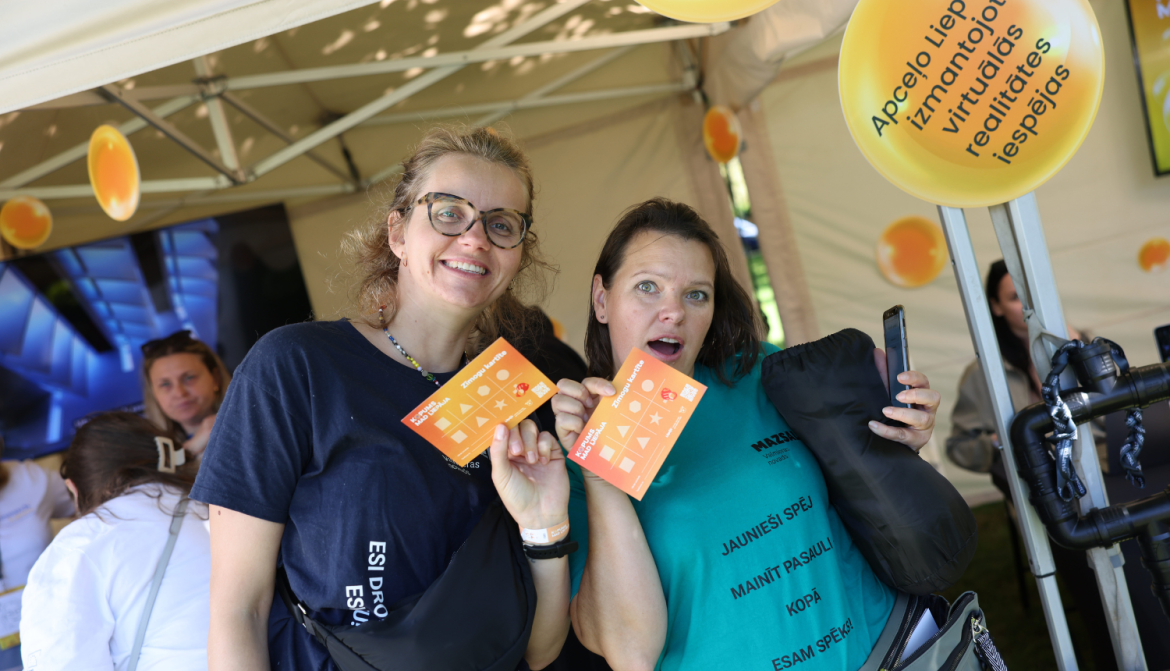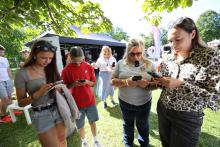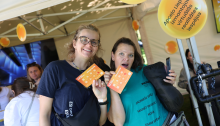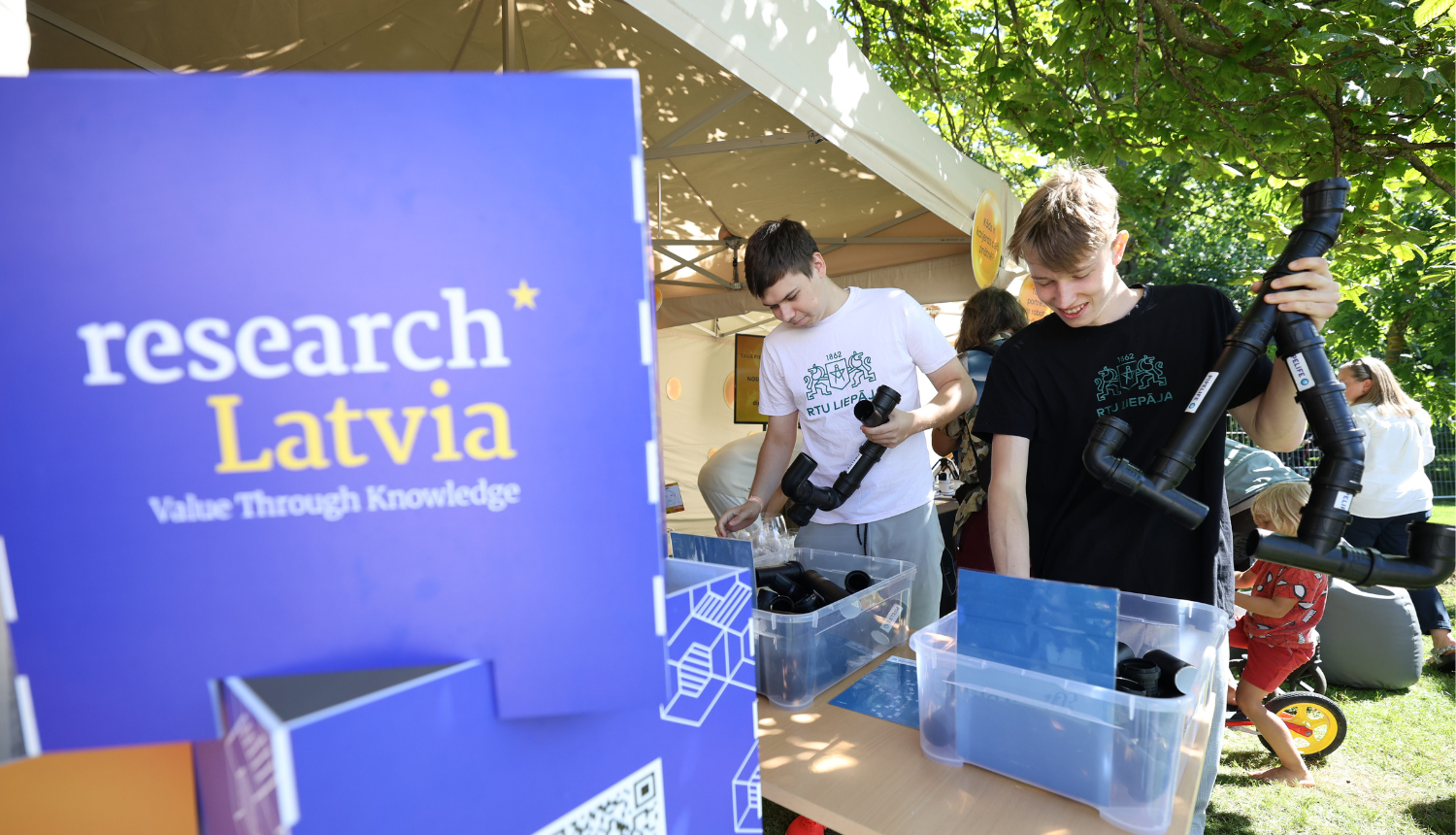
Last weekend in Liepāja, the Youth Opportunities Festival KOPUMS / Mad Liepāja took place – one of the key events of Latvia’s Youth Capital 2025. This year, a special place in the festival program was dedicated to science, making it accessible to the broader public outside of academic circles – right where young people are.
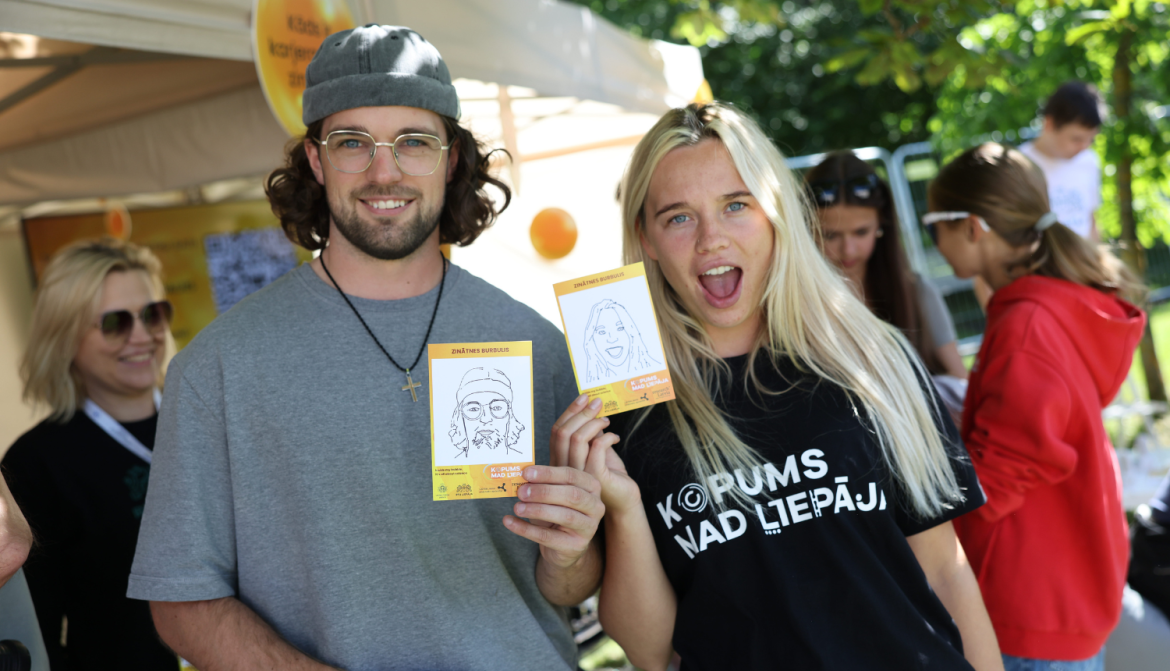
The Science Bubble – science as an experience
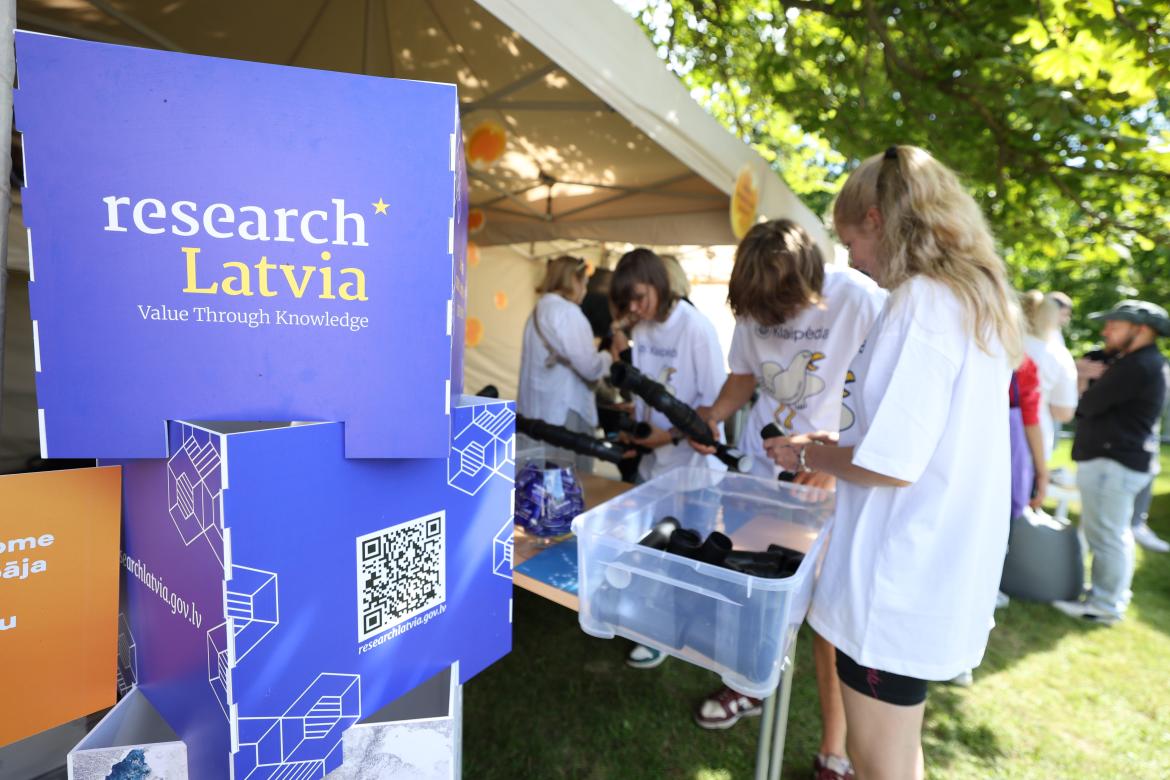
The Latvian Council of Science, in cooperation with RTU Liepāja, the Latvian Association of Young Scientists and researchLatvia, created the Science Bubble – an interactive space where science becomes a hands-on and exciting experience.
Festival visitors had the chance to:
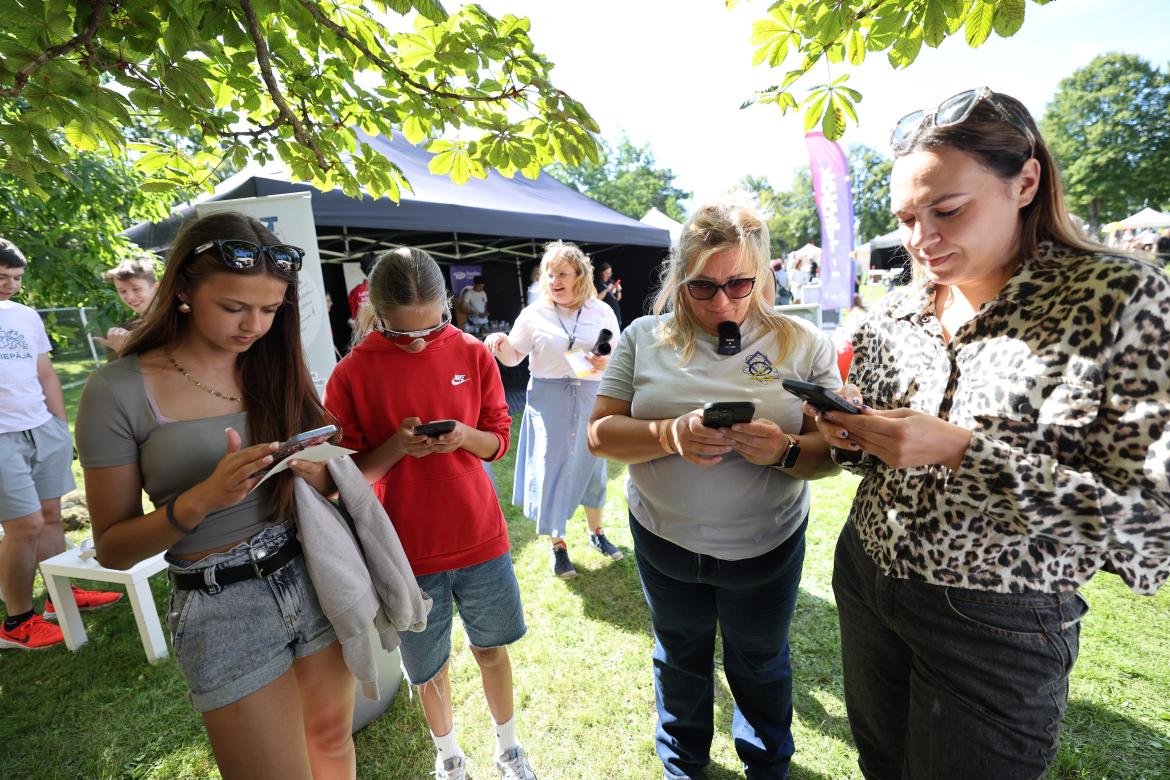
- take part in a digital anxiety test to discover how digital technologies affect everyday life,
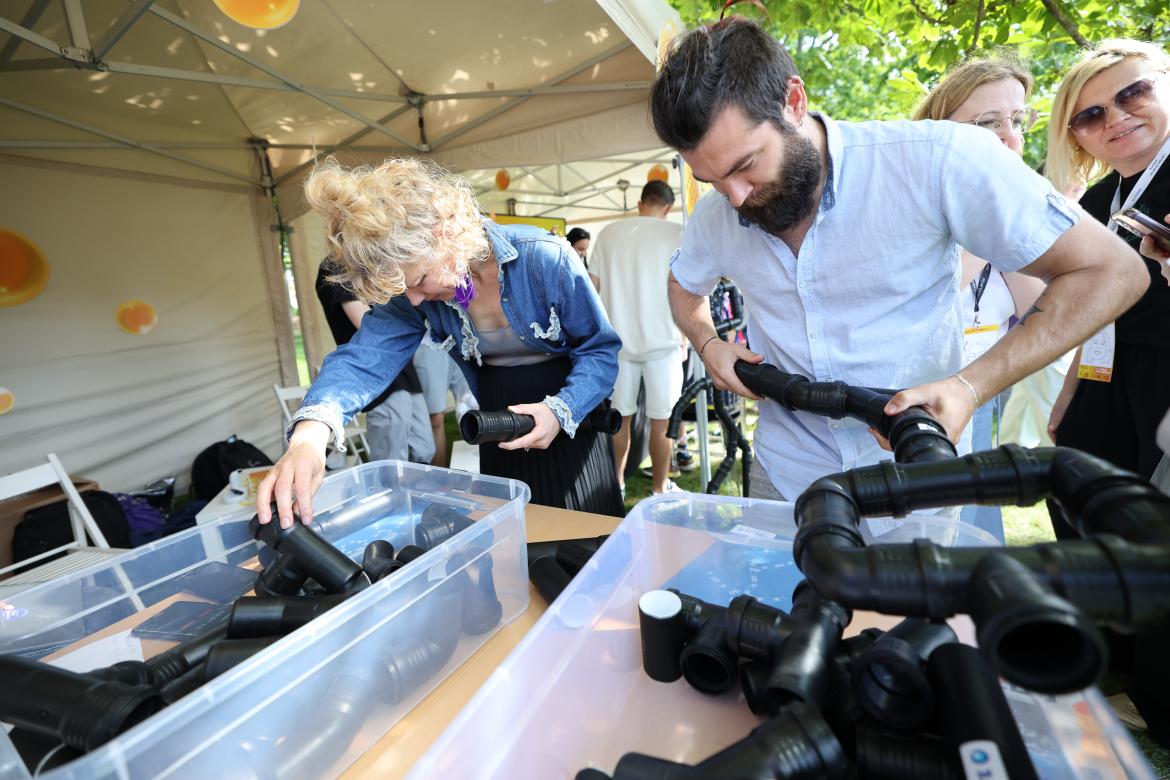
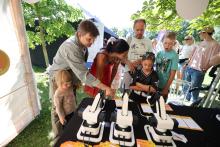
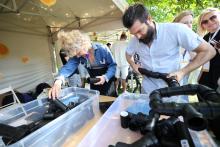
- build a “pipe person” together with researchLatvia to better understand water circulation processes and the importance of water supply,
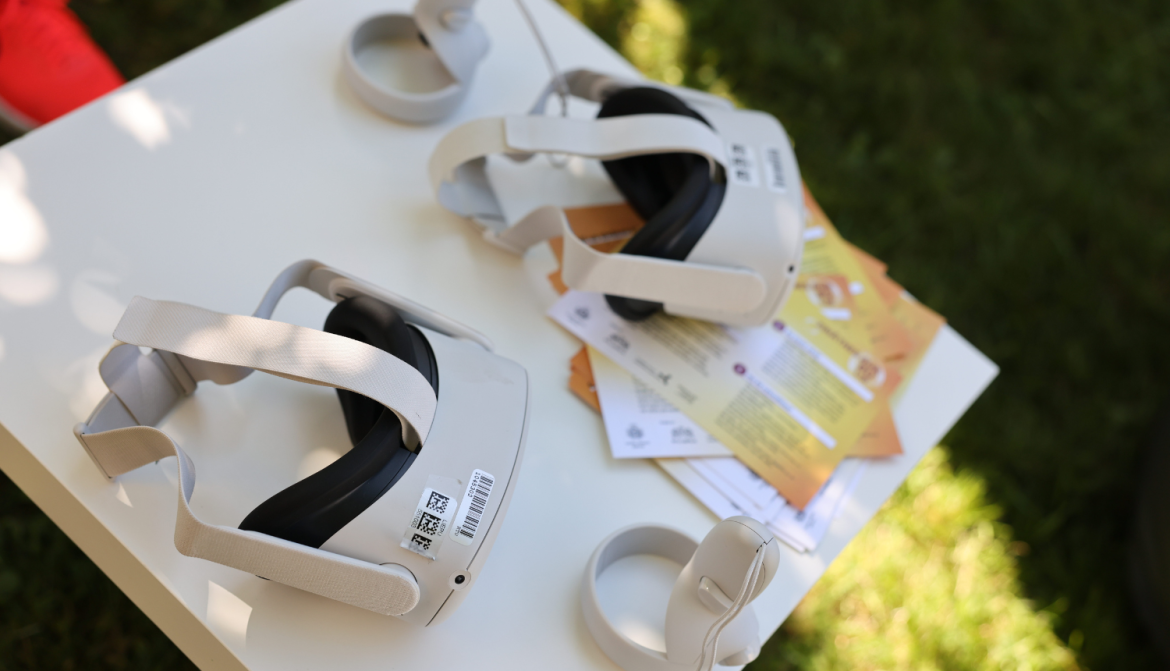
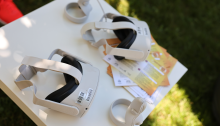
- go on a virtual reality journey through Liepāja and the Karosta prison, made possible by RTU Liepāja,
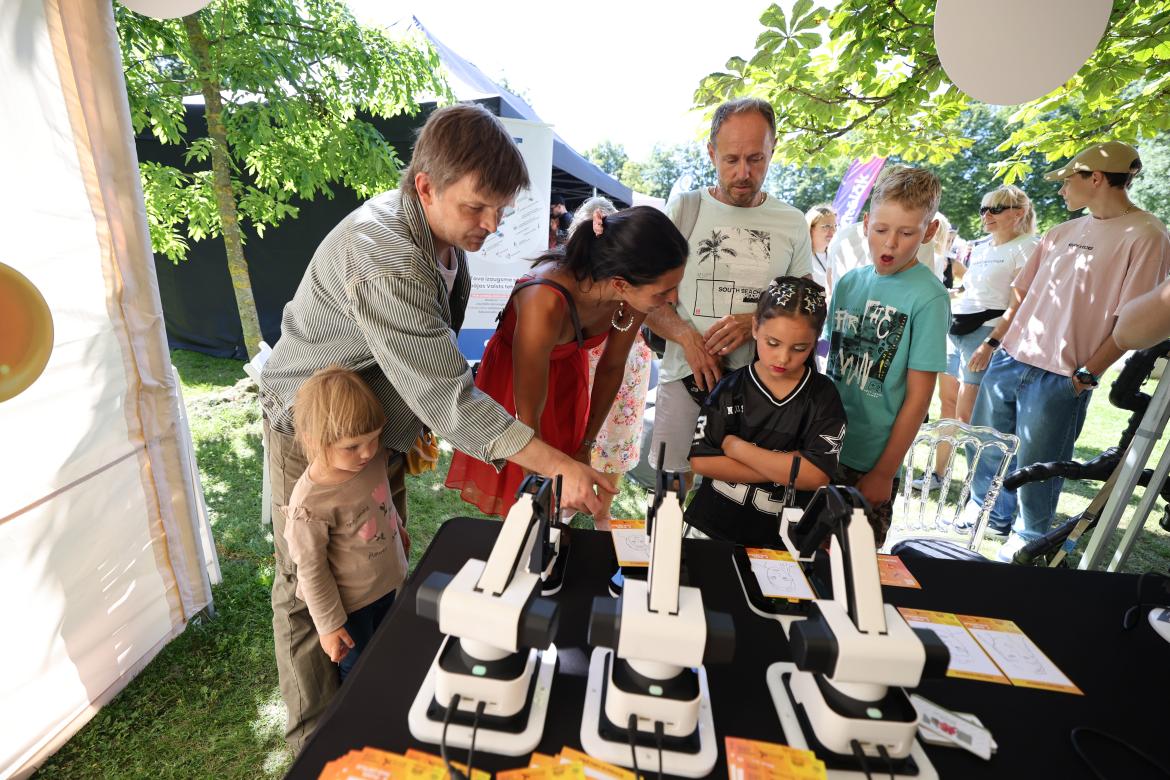
- observe an AI-driven robot drawing portraits,
- learn more about a scientist’s career path and why science can be an inspiring career choice.
"Science is everywhere – in our daily lives, in technology, art, and sports. It is important for young people to see it in real life, because this is how interest and inspiration for future researchers, inventors, and engineers are born," said Lauma Muižniece, Director of the Latvian Council of Science.
EU Funds Tent “See Further!”
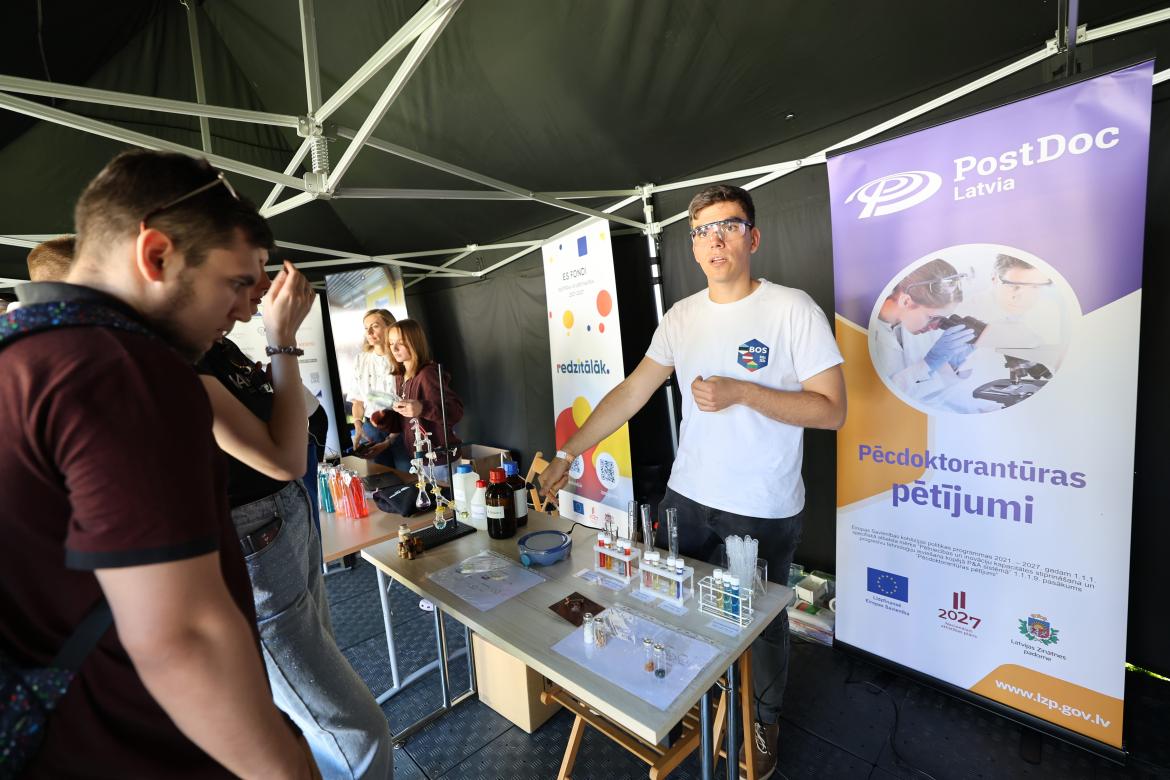
The Ministry of Education and Science also hosted the EU Funds tent “See Further!”, with special attention given to the Postdoctoral Research Program, administered by the Latvian Council of Science.
Young people could meet program participants and explore their research, including:
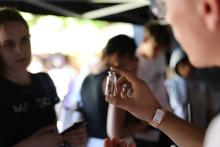
- chemistry experiments that change the colours of solutions,
- prototypes of interactive games for improving the learning process,
- development of alternative fuels from vegetable oils and plastics,
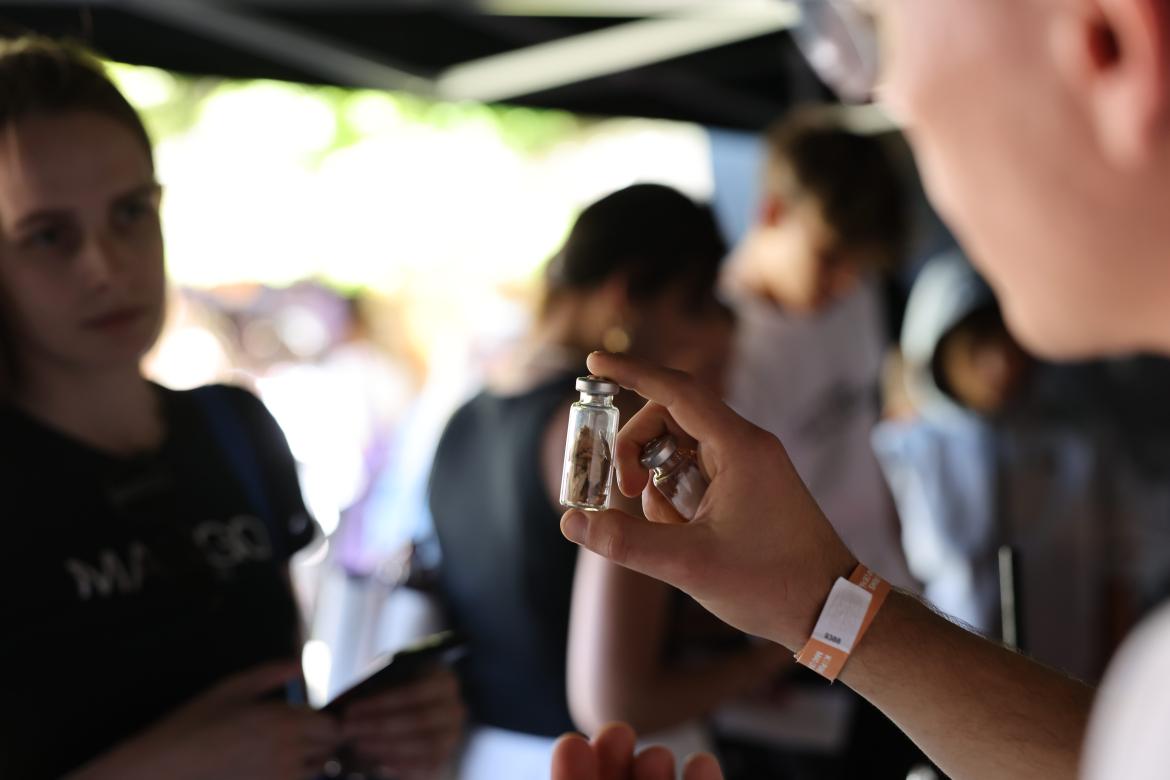
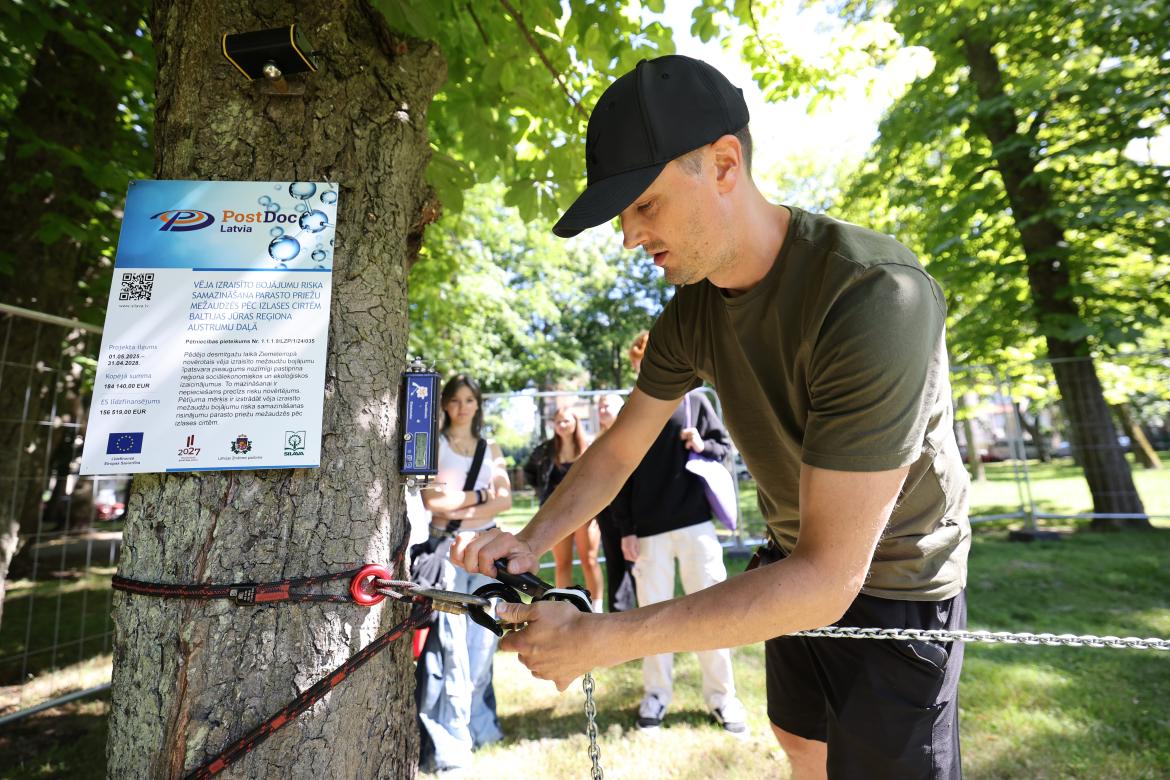
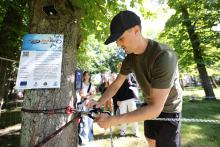
- tree stability tests that help assess safety in urban environments.
In total, more than 50 organisations participated in the festival, offering a rich program of discussions, workshops, concerts, sports activities, and creative masterclasses.
More information about the festival’s program and activities can be found on the Liepāja municipality website.
The event is part of Latvia’s Youth Capital 2025 – Liepāja, and activities are carried out within the framework of the Ministry of Education and Science’s National Youth Policy Program 2024–2026.