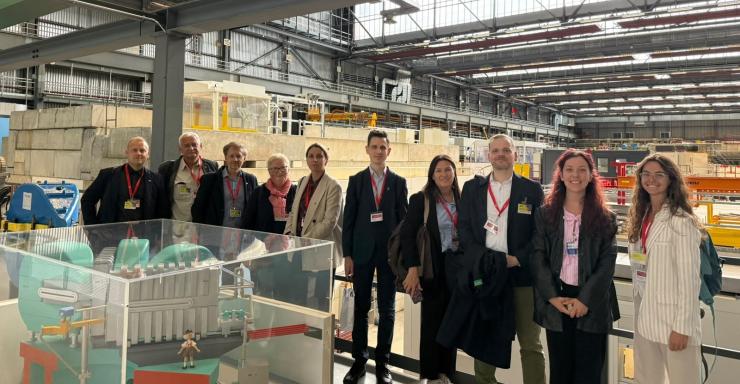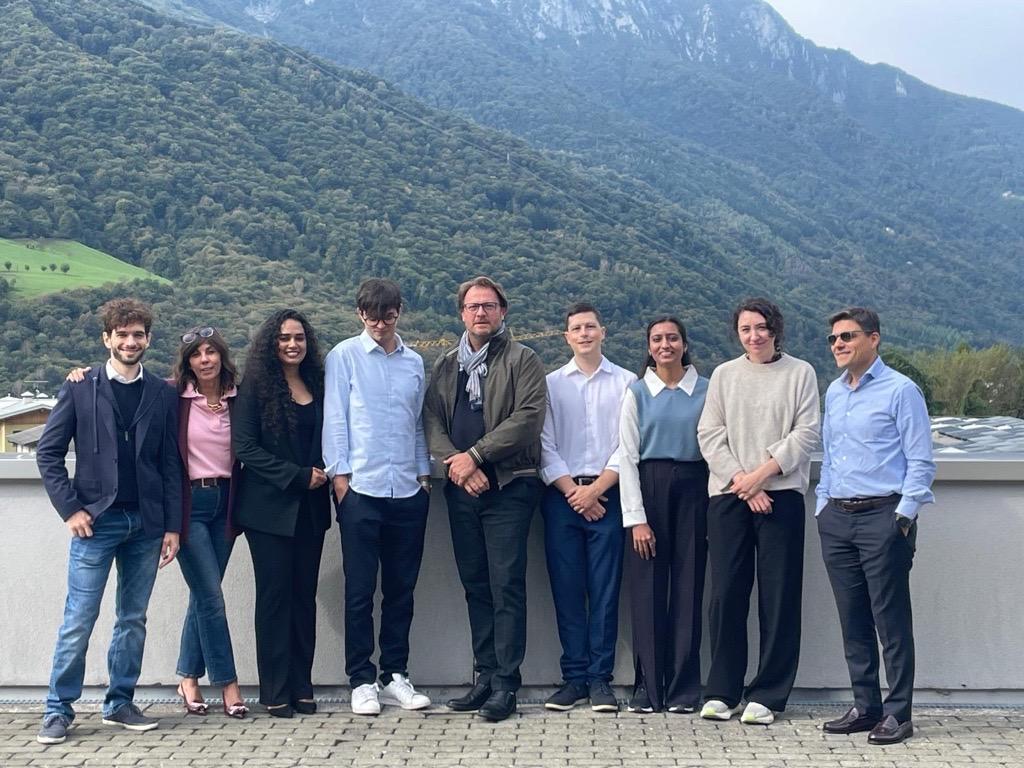
As electric mobility continues to expand rapidly across Europe, challenges such as long charging times, high costs, and sustainability concerns remain barriers to wider adoption. Researchers from Riga Technical University (RTU) are contributing to addressing these challenges by participating in the international EVBAT project, implemented with the support of EIT RawMaterials. The project aims to develop a sustainable, swappable battery system specifically designed for light electric mobility.
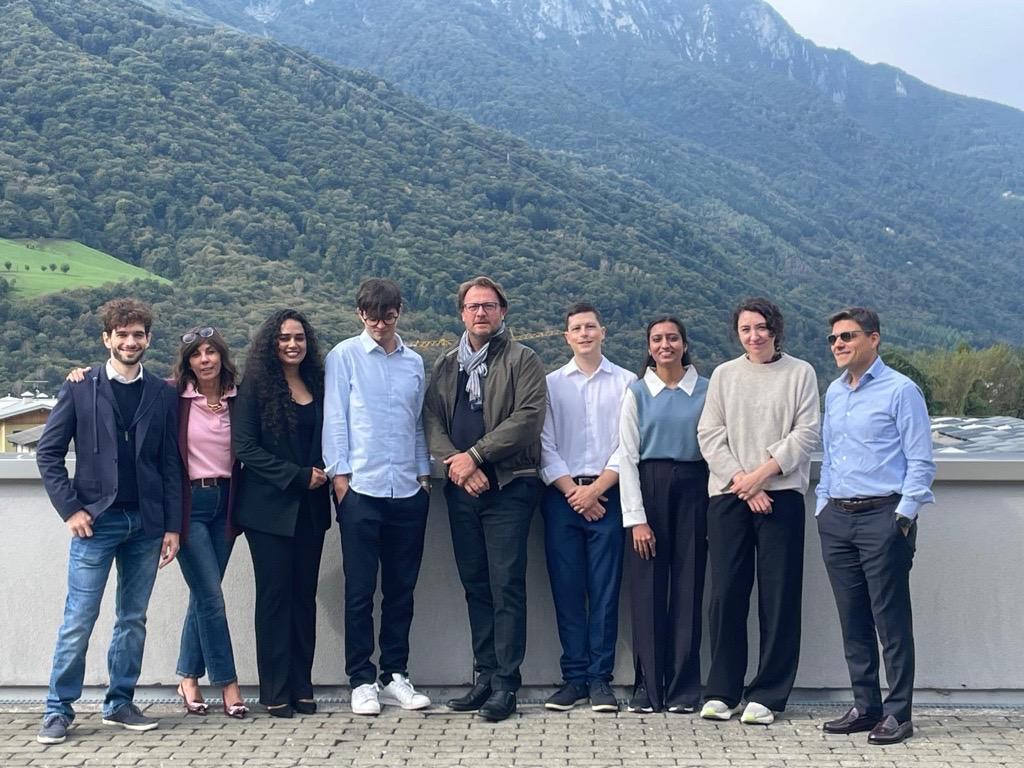
At the centre of the project is HYBA’s lightweight, modular battery unit – the POD – which allows users to replace a depleted battery with a fully charged one in just minutes. Instead of waiting for a vehicle to charge, users can quickly swap batteries at dedicated stations, ensuring continuous use.
"EVBAT is highly relevant now because the EV market is rapidly growing while still facing issues like long charging times, high costs, and limited infrastructure," Dr. sc. ing. Nidhiben Patel, Lead Researcher at Riga Technical University and a member of the EVBAT project team explains. "At the same time, stricter climate targets and concerns over critical raw materials make low‑carbon, circular battery solutions essential."
Designed for sustainability and circularity
What makes EVBAT distinctive is not only the swapping functionality, but also the battery design itself. The POD system is modular and based on a weldless assembly concept, allowing easier repair, disassembly, and recycling compared to conventional battery packs.
The system integrates advanced battery management and telematics for real-time monitoring, ensuring safety and efficient lifecycle management. Once battery performance declines, individual cells can be reused in second‑life applications or recycled, reducing both waste and the need for new raw materials.
The RTU VASSI team is led by Tenured Professor Dr. sc. ing. Francesco Romagnoli, with Lead Researcher Dr. sc. ing. Nidhiben Patel and Researcher M. sc. ing. Amrutha Rajamani.
"The environmental performance of a battery is determined not only during use, but across its full life cycle," RTU VASSI Team highlights.
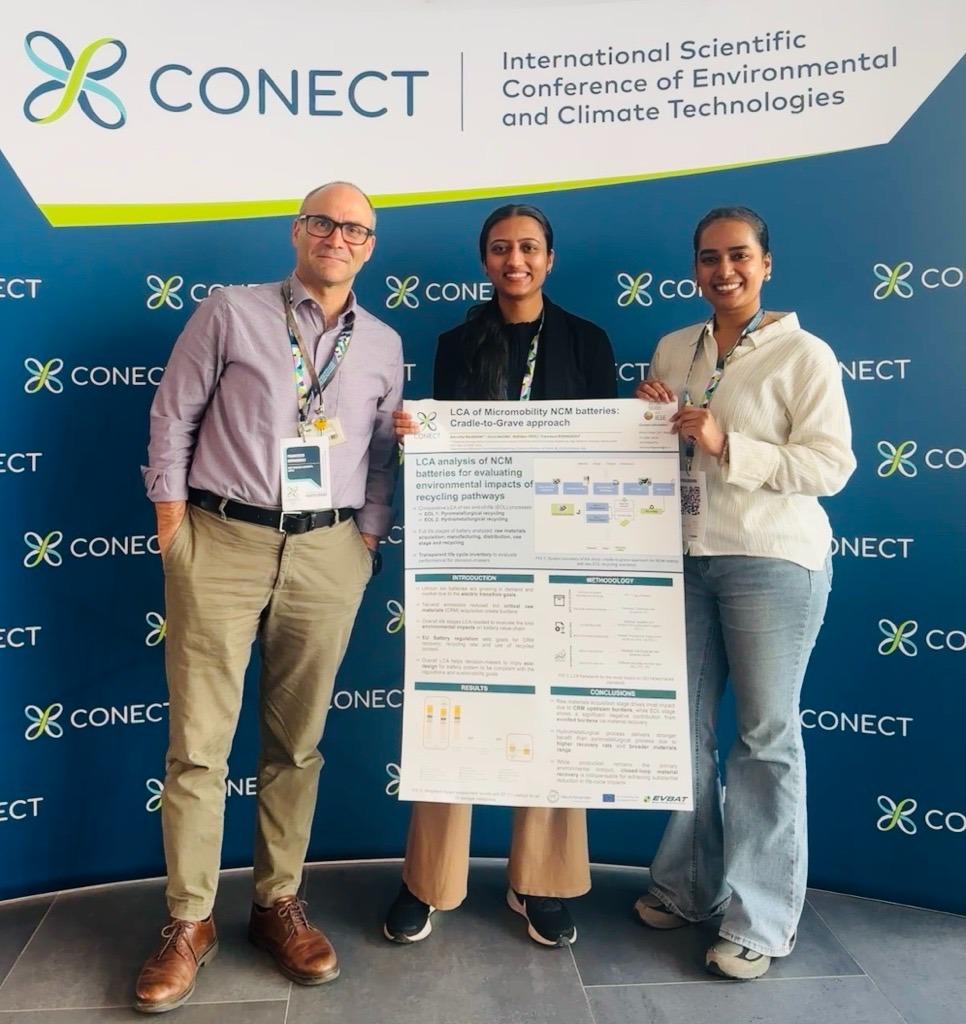
This life-cycle approach is supported by researchers from Riga Technical University, who evaluate the solution from raw material extraction to end‑of‑life. The goal is to ensure measurable impact, including up to 30% reduction in CO₂ emissions across the battery value chain.
Strong collaboration driving progress
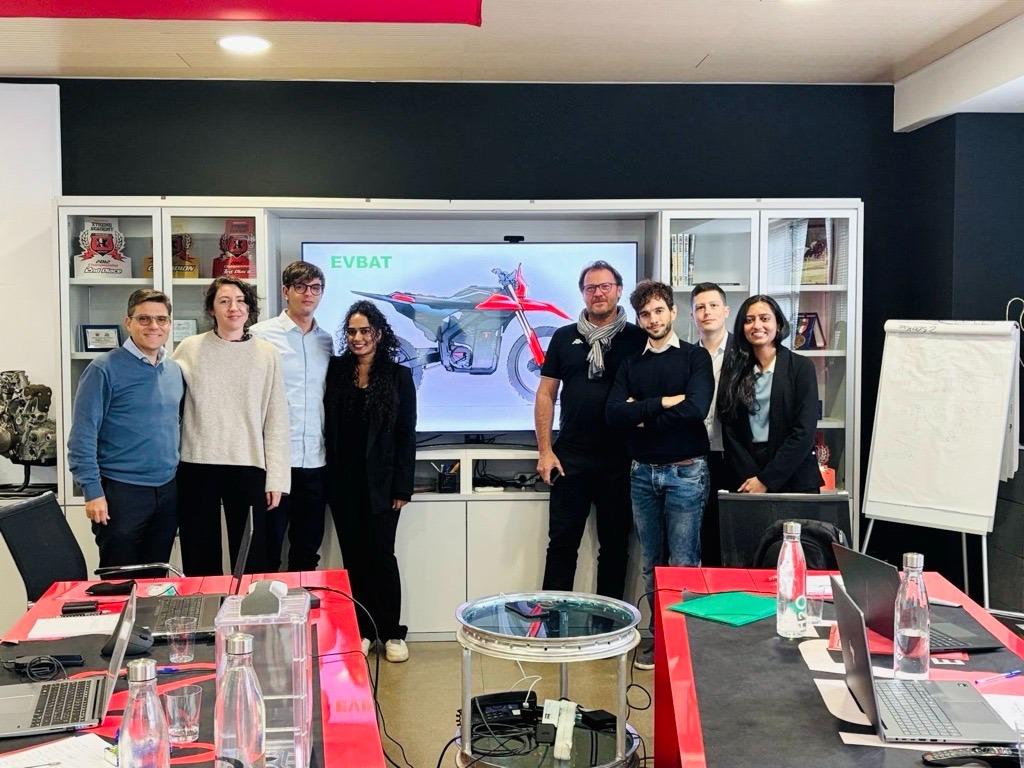
The EVBAT project brings together a multidisciplinary European consortium, combining expertise from across the battery and mobility value chain. HYBA (Italy) leads the project and develops the core battery technology, while Vent Moto (Italy) is responsible for integrating the system into electric motorcycles. LEVOX (Spain) contributes the battery swapping infrastructure, and SE&C IKE (Greece) oversees project coordination and communication. Meanwhile, Riga Technical University (Latvia) provides scientific analysis, focusing on sustainability and environmental impact.
Together, the team has already achieved key milestones, including the development and upscaling of a working prototype and its integration into a motorcycle demonstrator.
"The consortium has combined engineering, infrastructure, and sustainability expertise to validate a resource‑efficient solution for electric mobility," RTU VASSI team notes.
The role of EIT RawMaterials
EIT RawMaterials has supported EVBAT by enabling a strong European consortium to work together on a practical and sustainability-oriented battery innovation. The support provides funding, networking, visibility, and access to a wider innovation ecosystem focused on raw materials, circularity, and industrial uptake. EVBAT is funded by EIT RawMaterials and Horizon Europe, supporting innovation in sustainable mobility across Europe.
About EIT Community Hub Latvia
EIT Community Hub Latvia is the official national representation of the European Institute of Innovation and Technology (EIT) in Latvia. Its activities are coordinated by Riga Technical University (RTU) and supported by the Ministry of Education and Science and the Latvian Council of Science. The Hub’s mission is to promote the engagement of Latvian companies, researchers and students in European innovation networks and funding programmes.
About EIT
The European Institute of Innovation and Technology (EIT) is Europe’s largest innovation network, operating since 2008. It is an EU body and an integral part of the EU’s research and innovation programme Horizon Europe.
The EIT Community offers a wide range of innovation and entrepreneurship activities across Europe, including entrepreneurship education, start‑up support services, business development programmes and collaborative research projects.