Engaging the Next Generation of Researchers in the GUIDE
February 4, 2026
The GUIDE (Growing Up In Digital Europe: EuroCohort) longitudinal study examines the well-being of children and young people from birth to 24 years of age and will be conducted at regular intervals until 2054. Given the long-term nature of GUIDE, successive generations of researchers will be involved in its implementation. It is therefore essential to attract early-career researchers who are at the beginning of their academic paths to participate in the GUIDE study. As an interdisciplinary project, GUIDE seeks to engage young scholars from a wide range of scientific fields, including sociology, psychology, economics, health sciences, social pedagogy, cultural studies, and related disciplines. To successfully attract young researchers, it is important to generate interest in the GUIDE study as a platform that offers opportunities to build an academic career within a stable, and long-term research infrastructure.
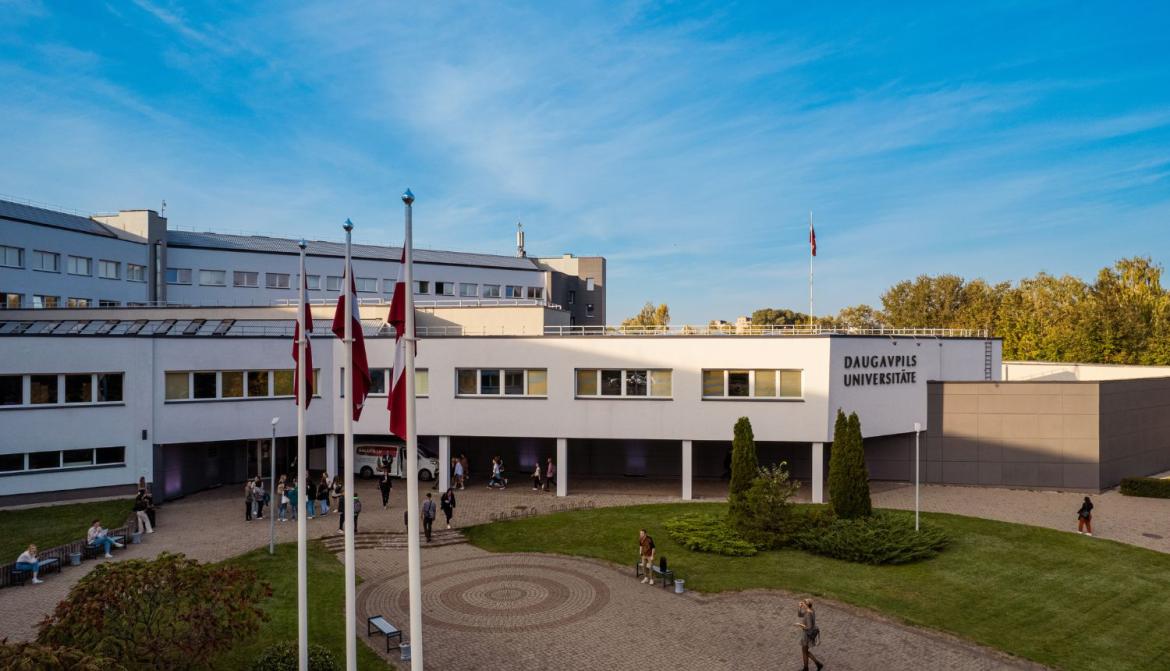
At the early stages of a research career, scholars must integrate into academic communities, find appropriate mentorship, and develop their skills and expertise within their chosen field. At the same time, young researchers should be encouraged to broaden their research perspectives through interdisciplinary collaboration. Challenges encountered along the academic path can be addressed through enthusiasm, continuous learning, and effective networking, qualities that the GUIDE longitudinal study both requires and actively fosters. To spark interest in the GUIDE study among future scientists, a public lecture entitled “Building an Internationally Comparable, Nationally Representative Longitudinal Study: The Case of GUIDE” was delivered on January 26, 2026, at the Doctoral School of Daugavpils University. The lecture was given by Prof. Anita Stašulāne, Head of the national node of the GUIDE consortium, which operates at Daugavpils University within the framework of the ERDF programme project No. 1.1.1.5/3/24/I/003, “Support for the Participation of Daugavpils University in the Horizon Europe programme.” The event was attended by 32 participants.
During the lecture, doctoral students had the opportunity to deepen their understanding of longitudinal research, which enables the observation of changes in selected social groups over time. Longitudinal data make it possible to trace life trajectories, such as educational attainment, income, and mobility, examine developmental processes (cognitive and social), and identify developmental patterns, including growth, decline, stability, and critical turning points. Participants were also introduced to the experience of Daugavpils University researchers gained through the development of the first internationally comparable, nationally representative longitudinal study of children and young people in Europe. The high-quality research infrastructure established by GUIDE is expected to serve as the basis for several thousand internationally peer-reviewed scientific publications. GUIDE offers young researchers a unique opportunity to join an ambitious ESFRI Roadmap research initiative, expand international collaboration, and strengthen their scientific capacity. The involvement of early-career researchers in the GUIDE study represents an investment in future human capital and will contribute to Latvia’s long-term competitiveness.