To drive innovation and strengthen the capacity of Latvia’s scientific institutions, the government approved a research program on Tuesday, February 4, allocating 35.8 million euros in public funding. Initiated by the Ministry of Education and Science, this initiative will promote the growth and international recognition of Latvian science until the end of 2029. With support from the European Regional Development Fund, research infrastructure will be developed and modernized, enhancing the competitiveness of Latvia’s leading scientific institutions in the global research and innovation landscape.
Minister of Education and Science Anda Čakša emphasizes: “This approved project will enable Latvian scientists to work in a more modern and technologically advanced environment, ensuring that their discoveries and innovations contribute as widely as possible to societal well-being and economic growth. The European Regional Development Fund’s investments are not just about infrastructure – they are an investment in the excellence and competitiveness of Latvian science, laying the foundation for sustainable national development and international recognition.”
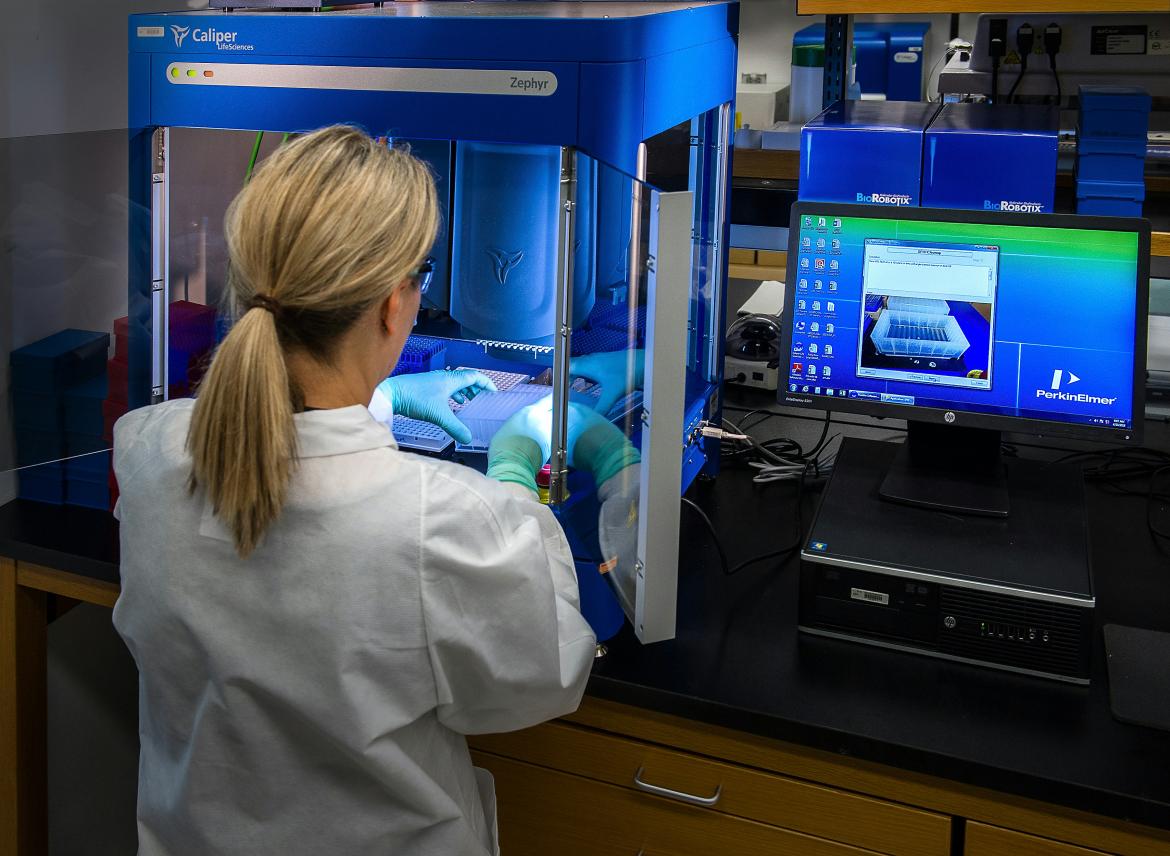
As a result of these investments, Latvia’s scientific infrastructure is expected to become more accessible and efficient-reducing resource duplication, improving international competitiveness, and fostering collaboration with industry. The funding will allow researchers to work in a modernized environment and promote high-value-added innovations that will directly impact Latvia’s economic growth and societal well-being. The projects will be implemented from late 2025 to December 31, 2029, creating new opportunities for researchers and society alike.
The program’s funding is designated for Latvian scientific institutions operating in one of the five Smart Specialization Strategy (RIS3) areas:
- Knowledge-intensive bioeconomy;
- Biomedicine, medical technologies, biopharmaceuticals, and biotechnology;
- Smart materials, technologies, and engineering systems;
- Smart energy
- Information and communication technologies.
Additionally, institutions that received a weighted average evaluation of at least “3” in the most recent international assessment of scientific institutions will be eligible. The funds will be used to acquire next-generation research equipment, facilitating international collaboration projects.
The program will involve the following institutions: Daugavpils University; Institute of Electronics and Computer Science; Latvia University of Life Sciences and Technologies; Latvian Institute of Organic Synthesis; University of Latvia (UL); Latvian State Institute of Wood Chemistry; Latvian State Forest Research Institute “Silava”; Scientific Institute of Food Safety, Animal Health, and Environment “BIOR”; Riga Stradiņš University; Riga Technical University; Ventspils University of Applied Sciences; Vidzeme University of Applied Sciences.
Support will also be provided to consolidated institutions or university institutes participating as cooperation partners, including: Institute of Physical Energetics; Institute of Agricultural Resources and Economics; Institute of Horticulture; Latvian Biomedical Research and Study Centre; UL Institute of Solid State Physics, University of Latvia; UL Institute of Mathematics and Computer Science; Rezekne Academy of Technologies.
The project selection process will follow a restricted call, with funding allocation based on the research capacity of each institution. The amount of funding available to each applicant and its cooperation partners will be determined proportionally to the baseline research funding allocated in 2024.