The Science and Innovation Centre of Riga Technical University (RTU), in cooperation with the association Cleantech Latvia, invites applications until 19 January for the fourth round of the programme “Sinergia: Industrial Symbiosis Innovation Accelerator,” in which participants will address three topical challenges in the food processing and agriculture sectors.
Registration is available on the programme website.
In the fourth round of “Sinergia: Industrial Symbiosis Innovation Accelerator,” the challenges are proposed by vegetable growing and processing companies SIA “Dimdiņi” and SIA “Dimdiņi agro”:
-
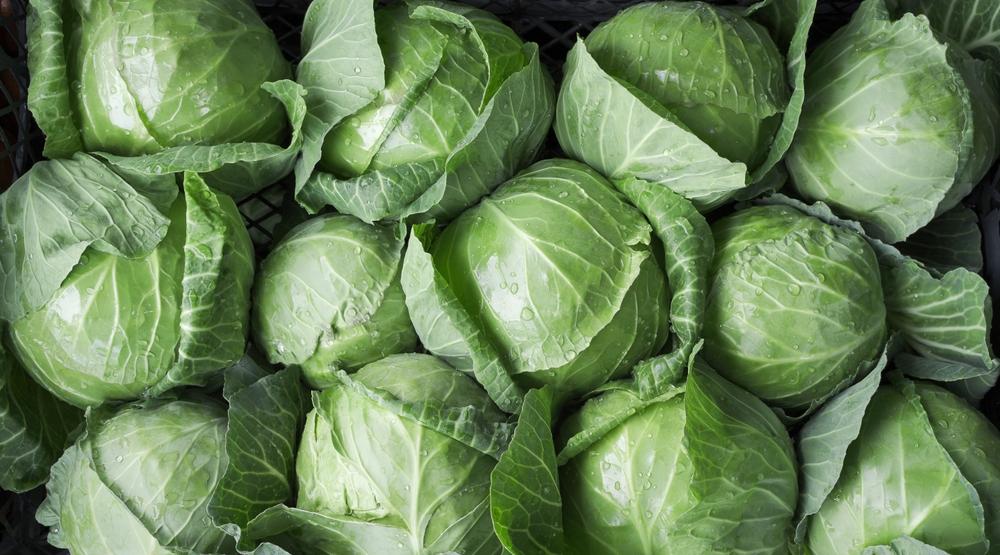
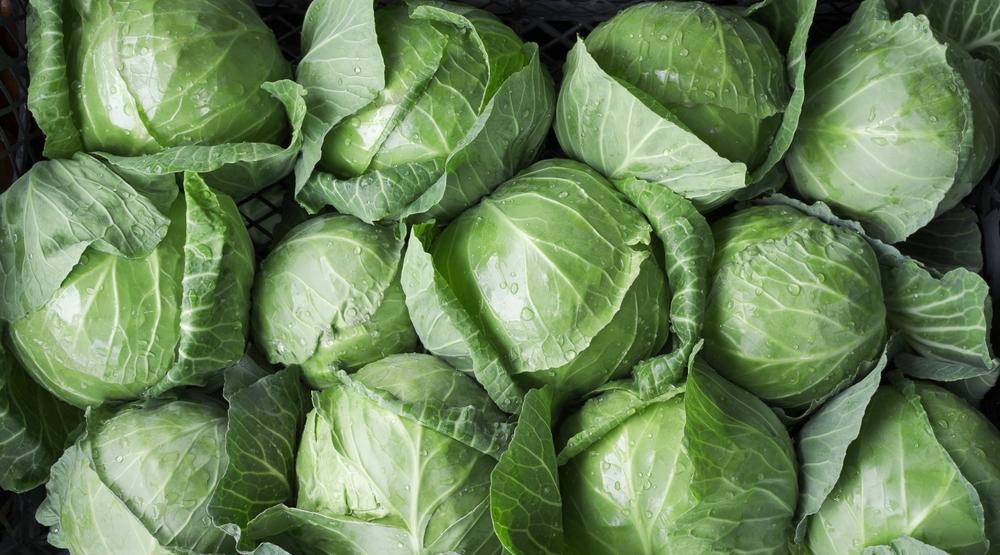
how to economically convert beet, cabbage, carrot, and Chinese cabbage processing residues into products, raw materials, or energy, moving towards a zero-waste production approach;
-
how to reduce the load on wastewater treatment plants by separating high-load wastewater streams before they reach treatment facilities, while simultaneously recovering water, energy, or other valuable components;
-
how to develop a stable, large-scale solution for processing outer cabbage leaves, creating measurable economic and environmental benefits even when part of the material is damaged.
Scientific institutions and universities, small and medium-sized enterprises registered in Latvia, startups, as well as individuals with ideas or technological solutions that can contribute to addressing the defined challenges are invited to apply for participation in the Sinergia: Industrial Symbiosis Innovation Accelerator. Applications may be submitted individually or in teams of up to six participants.
The goal of the accelerator is to strengthen the development of industrial symbiosis in Latvia by promoting close cooperation between manufacturing companies, innovators, and research institutions. During the programme, interdisciplinary teams will be formed to work directly with challenge owners to develop sector-specific, practical, and implementable solutions. This approach enables innovations to be tested in real-world conditions and grounded in the actual needs of companies.
For programme participants, this is an opportunity to work closely with experienced industry companies to create sustainable, circular-economy-oriented, and practically applicable solutions based on real industrial needs.
Each accelerator round begins with a training phase covering circular economy principles, systems thinking, financial fundamentals, and regulatory frameworks. Teams then continue working with the support of experienced mentors and receive financial support for the development of their solutions. Training sessions and workshops will take place both in person at RTU and partner organization premises and online. The entire programme will be conducted in Latvian.
The project “Waste as Resources in Latvia – Promoting Regional Sustainability and Circularity through the Implementation of the Waste-as-a-Resource Concept” is implemented with financial support from the European Union LIFE Programme and the Ministry of Smart Administration and Regional Development.