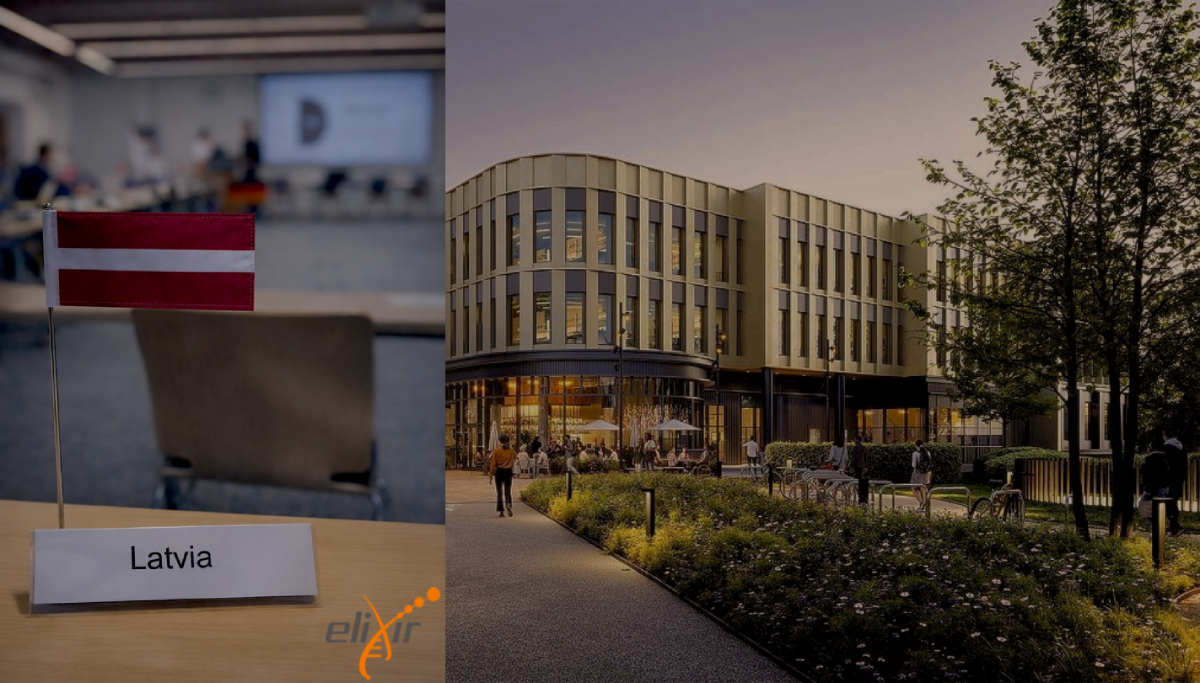
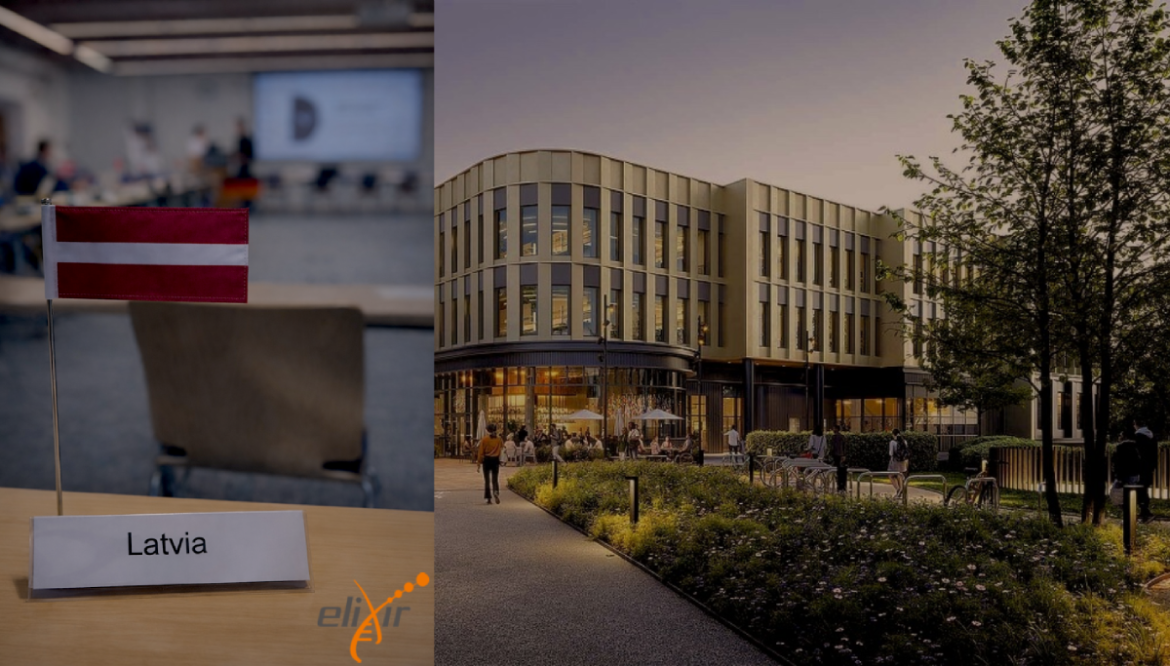
On 15–16 April 2026, the 25th meeting of the ELIXIR Board of the European life science infrastructure for biological information was held at the Wellcome Genome Campus in the United Kingdom, bringing together representatives of member states, observer countries, and heads of national nodes. During the meeting, an important decision was made — Latvia was granted observer country status, which is considered a strategically significant step and marks an important turning point in strengthening our national life sciences data and bioinformatics ecosystem, while also promoting closer integration into Europe’s leading research infrastructure landscape.
In recent years, Latvia has made substantial investments in the development of its digital infrastructure and the strengthening of human capital. The ELIXIR observer status will allow these efforts to continue and deepen through close and active collaboration within ELIXIR, including active participation in communities and focus groups, fostering closer cooperation with other nodes, and gradually moving toward full member state status in the future, while simultaneously developing national capacity in life sciences data and bioinformatics.
The establishment of Latvia’s future ELIXIR node will be coordinated by Rīga Stradiņš University (RSU). As previously reported within the framework of the project 'Participation of RSU in the Horizon Europe programme' (Project No. 1.1.1.5/3/25/I/014), on October 10, 2025, during the PMNET forum, RSU, together with the University of Latvia, the Latvian Biomedical Research and Study Centre, and the Children’s Clinical University Hospital, signed the Latvian National Agreement on Latvia’s path toward participation in ELIXIR. In the future, it is planned to involve additional research and infrastructure partners.
Leadership of the emerging Latvian node will be taken on by tenured professor Baiba Vilne.
Joining ELIXIR as an observer country gives Latvia access to Europe’s leading life sciences data and bioinformatics infrastructure and collaboration network. This creates new opportunities for scientific excellence, innovation, and participation in high value-added European-level projects, thereby strengthening Latvia’s long-term capacity and competitiveness in today’s highly data-intensive life sciences and bioinformatics fields.
Baiba Vilne, Dr. rer. nat.
The main focus will be on artificial intelligence solutions for the management and integration of multimodal and omics data, the development of FAIR principle-based and interoperable data and computational workflows, scalable and reliable computing infrastructures, and strengthening national bioinformatics capacity.