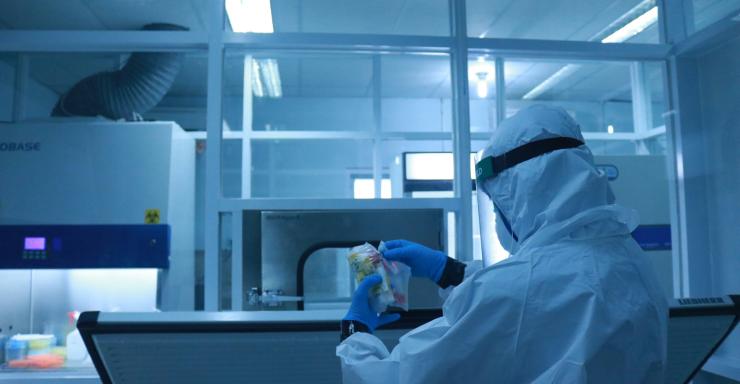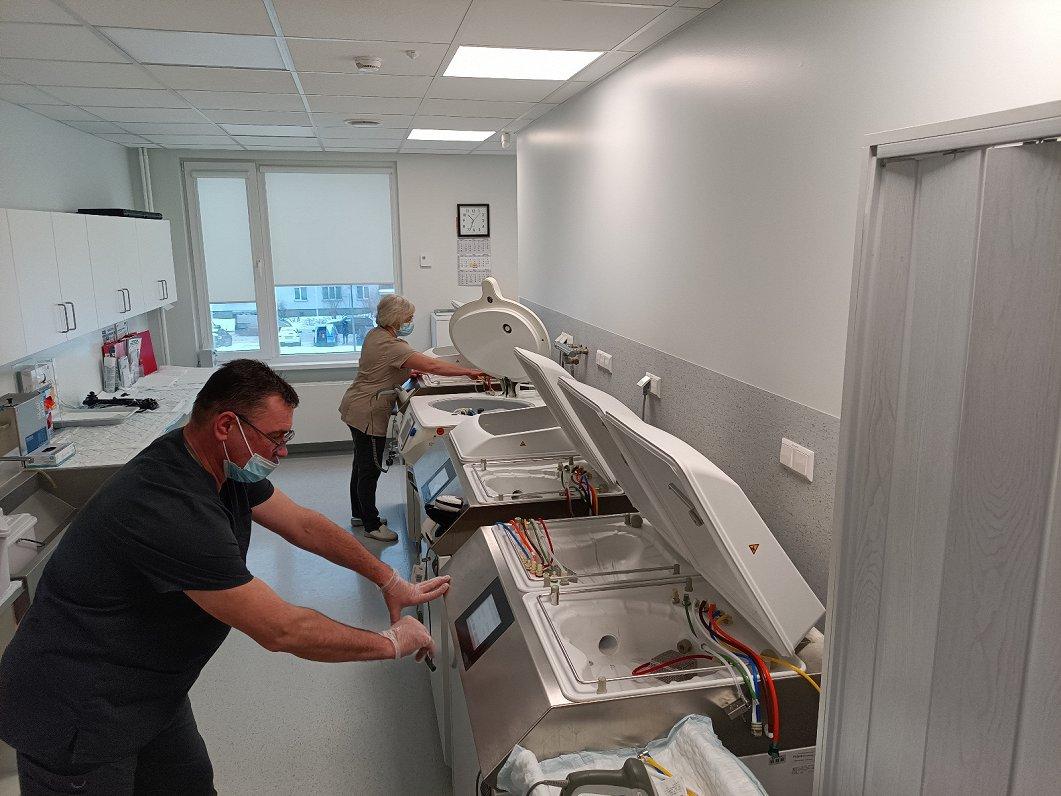
The longest study in the history of Latvian medicine has been completed, aiming to develop screening methods for the early detection and prevention of stomach and intestinal cancers. Stomach cancer is one of the deadliest oncological diseases in Europe, and Latvia has one of the highest incidence rates – 500–600 new patients are registered every year. For most patients, tumors are diagnosed late because in the early stages stomach cancer often shows no specific symptoms.
The study was initiated 13 years ago under the leadership of Professor Mārčs Leja at the Institute of Clinical and Preventive Medicine of the University of Latvia. More than 11,000 residents participated. In various cities across Latvia, patients underwent examinations of the stomach and intestines and laboratory tests, including the detection of Helicobacter pylori, which is considered a major cause of stomach cancer. Patients with confirmed infection were prescribed treatment, and after several years they were invited for a follow-up visit.
Researchers have collected a large dataset, which will now be analyzed in detail.
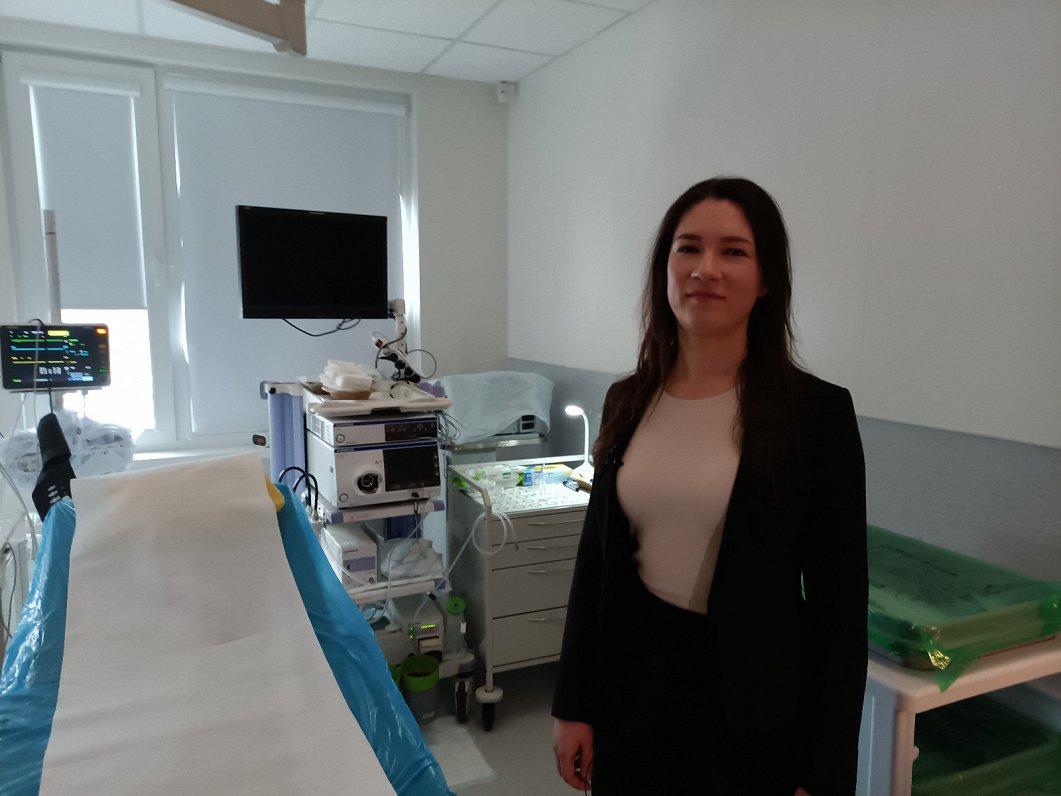
Researcher and gastroenterologist Danute Ražuka-Ebela explained that the study will compare patients who received antibiotics with those who did not:
“We are looking at this very broadly. We are analyzing major health events such as heart attacks and strokes, the development of diabetes, and increases in body mass index. We will also examine whether cholesterol levels, inflammation markers, ferritin, vitamin B levels, and similar indicators have changed over the years, which I believe will be very interesting.”
This is the first study of its kind in the European Union (EU) countries. As early as 2012, the EU introduced a cancer control plan, emphasizing the importance of prevention and early diagnosis. Stomach cancer is included in the list of recommended screening programs, yet Europe still lacks specific recommendations on which preventive methods are most effective in reducing the risk of the disease.
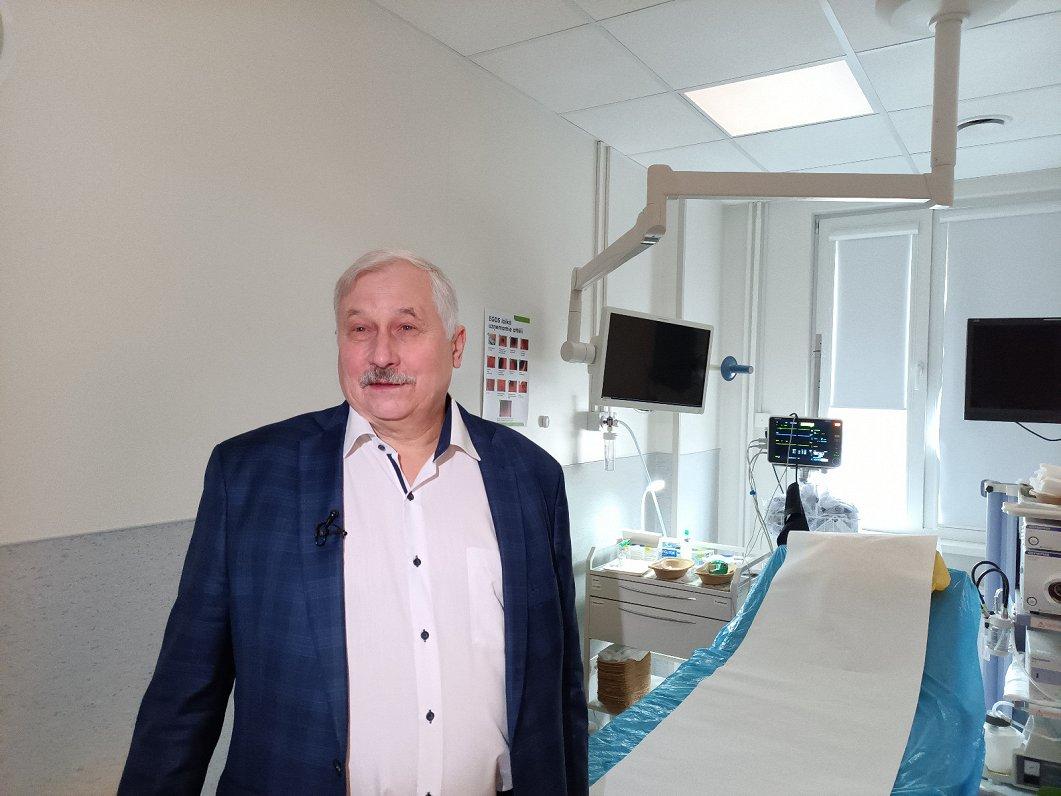
“In terms of stomach cancer, this issue was, I would even say, ignored for decades. Over the past ten years, it has indeed been brought to the forefront, because the problem is significant,” said Professor Leja.
The data and conclusions obtained will be used to develop recommendations for reducing stomach cancer mortality in high-risk areas, which include Latvia.
The study shows that more than 50% of adults in Latvia are infected with Helicobacter pylori, which is an exceptionally high rate.
“What will be outlined in the European guidelines—we are not calling for everyone to be treated automatically, but for those with a confirmed presence of Helicobacter pylori, this infection should be targeted and eliminated,” explained Professor Leja. “In the future, I anticipate that this approach will also be applied in Latvia. Latvia is one of the highest-risk areas in Europe. There are no areas in Europe with a higher risk than Latvia. We need to precisely develop recommendations regarding which age groups should be screened, which methods to use to safely detect the presence of this bacterium, and which harmless medications would be recommended for its eradication. Developing this requires a comprehensive program.”
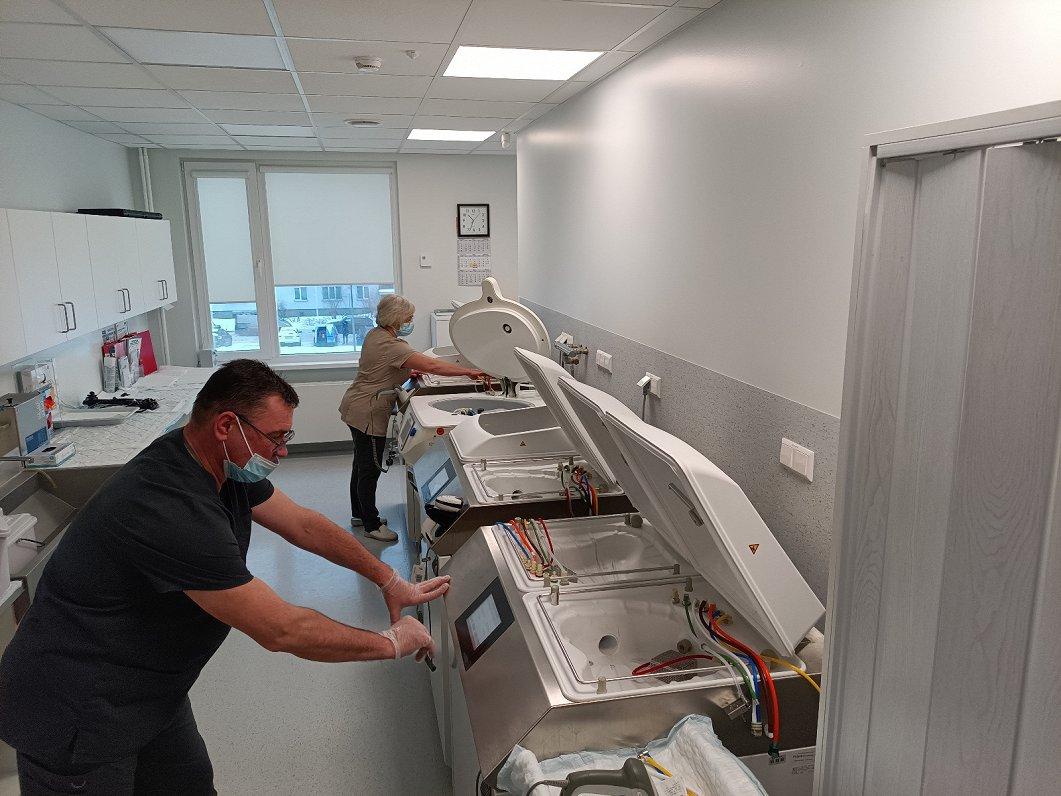
By detecting and eliminating Helicobacter pylori in the stomach in time, the bacterium can be eradicated for life. This could reduce the number of deaths from stomach cancer by up to 40%.
As scientists emphasize, early detection of malignant tumors allows patients to be treated more quickly and at lower cost. This also means a reduced burden on the healthcare system and the state budget. After treatment, people can return to the workforce.