An innovation created by Latvian scientists has reached the global technology market – the high-speed laser pulse power sensor technology TESS (Thermoelectric Energy Sensing System), developed at the Institute of Solid State Physics, University of Latvia (ISSP UL), has been included in the product catalogue of Thorlabs, a leading U.S.-based photonics company.
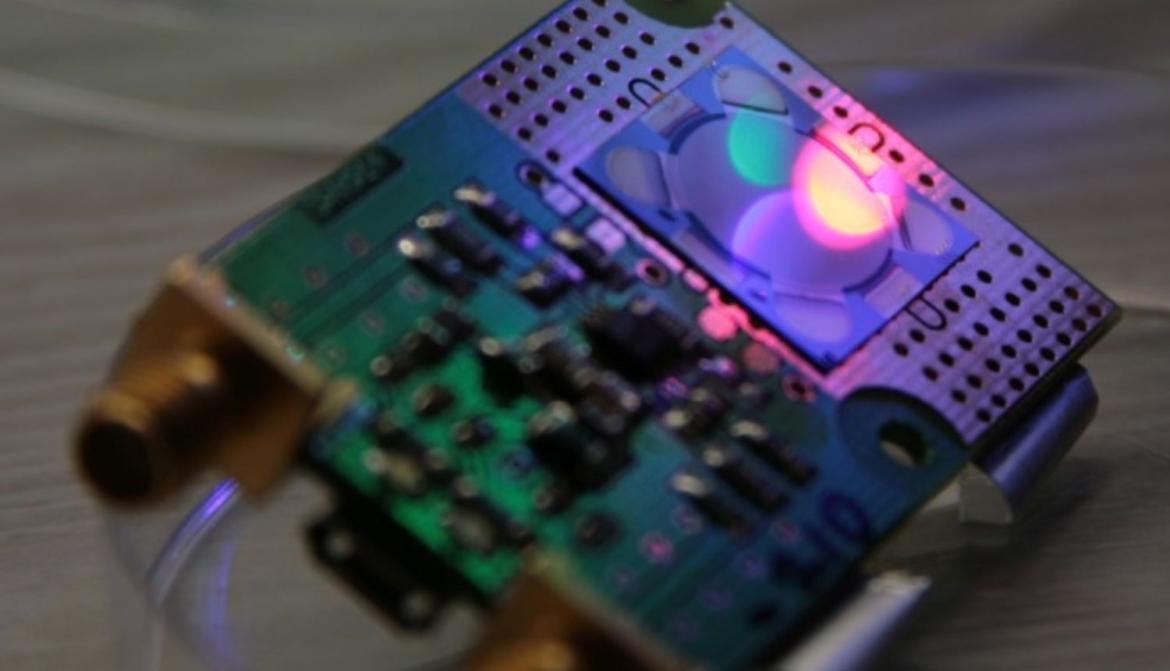
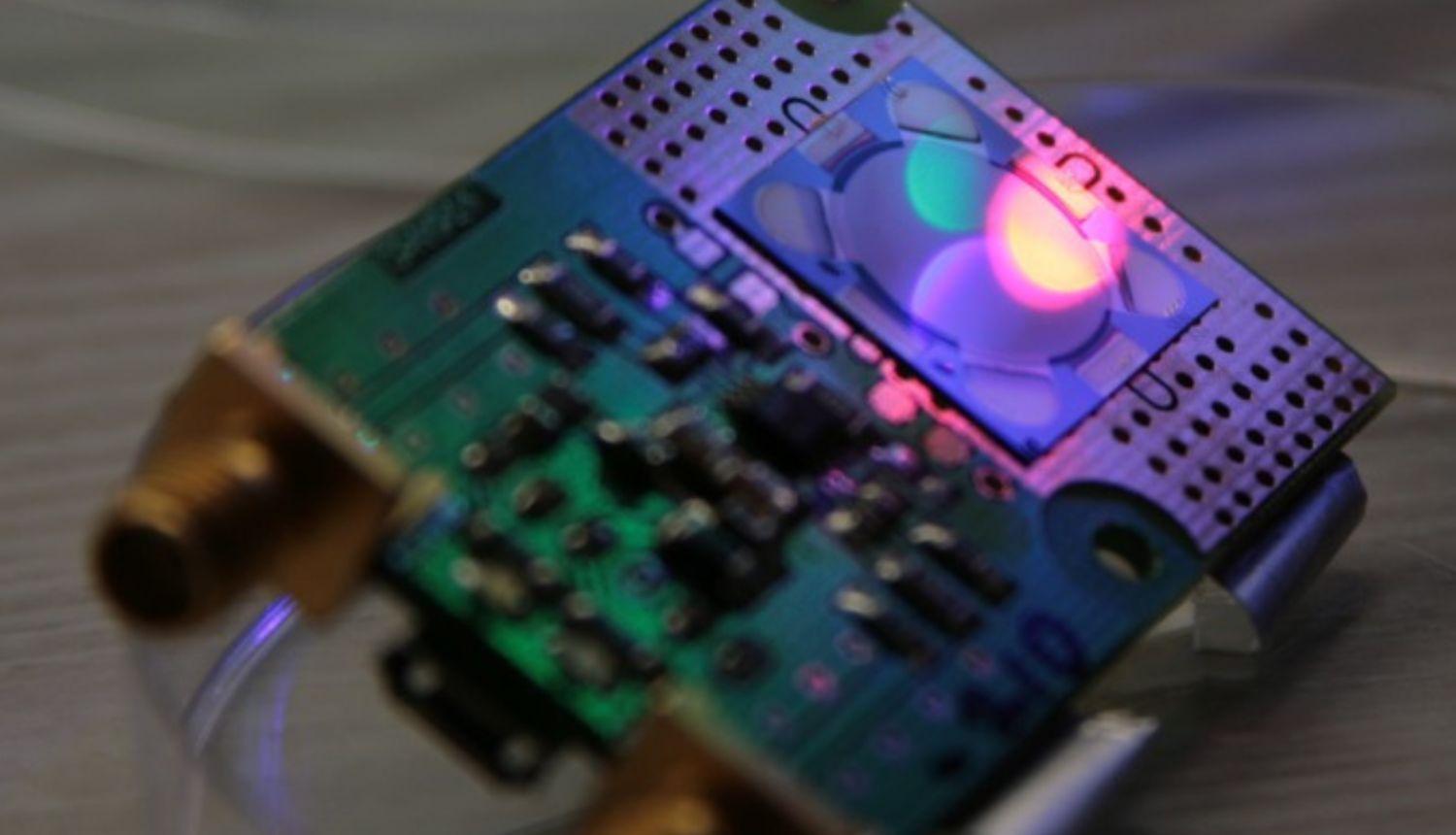
TESS is a thermoelectric radiation sensor capable of measuring the power of individual laser pulses with unprecedented speed and precision. The technology is based on the unique properties of a thin-film material that can ensure a signal response time of less than 10 nanoseconds – approximately a thousand times faster than previously used technologies. This achievement is especially important in fields such as laser technology, medicine, precision welding, and micro-engraving, where control of each pulse is crucial for ensuring safety and accuracy.
The researchers at ISSP UL began working on this technology back in 2012, studying thermoelectric materials. Building on these studies, they developed a novel approach – to use a thin film thermoelectric generator to measure the power of high-speed pulsed lasers.
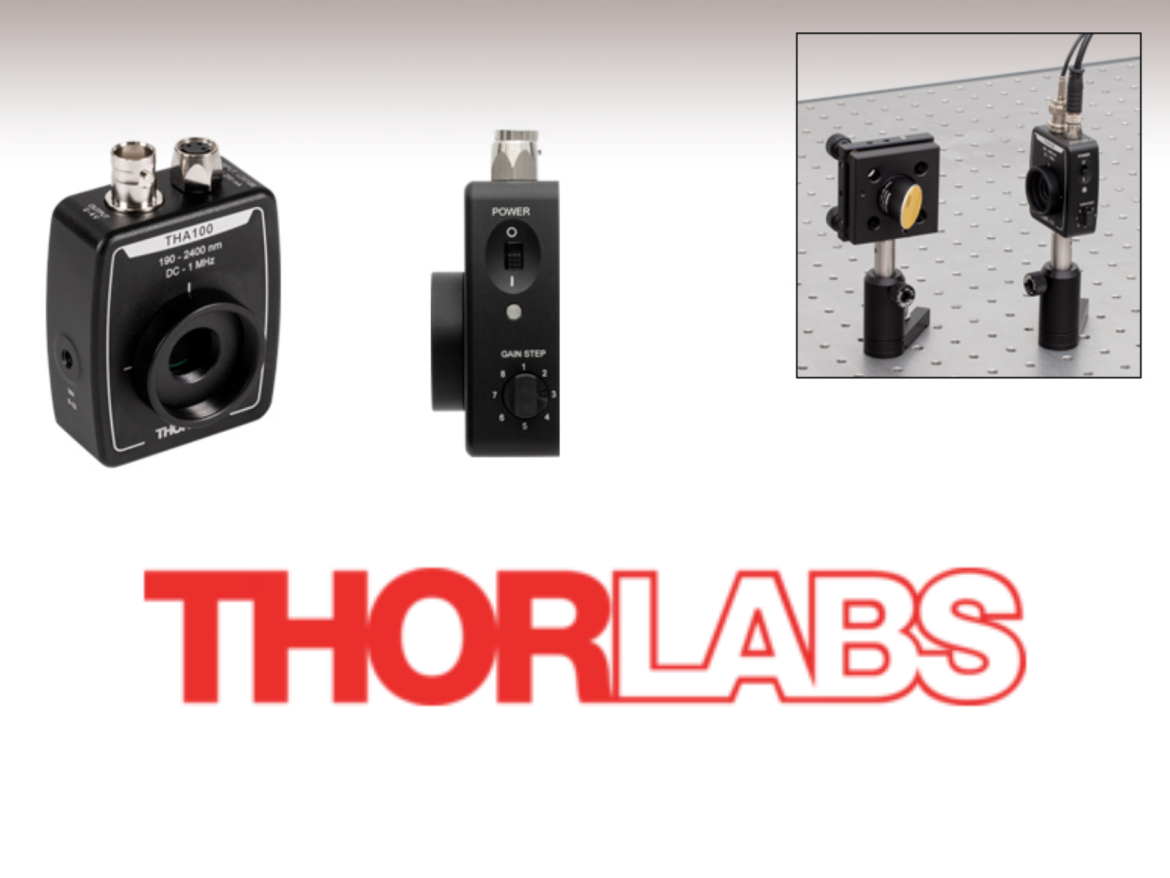
In 2021, Thorlabs – one of the world leaders in photonics and optical equipment – recognized the unique potential of TESS and signed a licensing and technology transfer agreement with ISSP UL. “Through our close collaboration with the Institute of Solid State Physics, we have successfully established a stable and reproducible production process for the TESS sensor technology within our company. This solid foundation has enabled the development of a high-speed, amplified detector optimized for high-repetition-rate laser pulses, which now complements our portfolio of advanced photonic solutions,” says Manfred Gonert, Head of Light Detection and Analysis at Thorlabs. The technology is patented in the United States, the European Union, China, and Canada, ensuring international protection and commercialization opportunities.
"We have managed to connect all the links in the chain – from material research to practical application. This requires not only knowledge and technology but also market understanding. Moreover, we never ran out of funding throughout this research, so, considering the science funding landscape in Latvia and the high competition for project grants, this can truly be dubbed a success story," emphasises Dr. Mārtiņš Rutkis, lead researcher at ISSP UL and a member of the team that developed TESS.
The technology’s development into a market-ready product was supported by the European Regional Development Fund (ERDF), the Investment and Development Agency of Latvia (LIAA), and the ISSP UL innovation platform Materize.
The inclusion of TESS in Thorlabs’ product catalogue is yet another confirmation that technologies formed by Latvian science can compete on a global scale – promoting the country’s visibility and driving innovation exports in the high-tech sector.