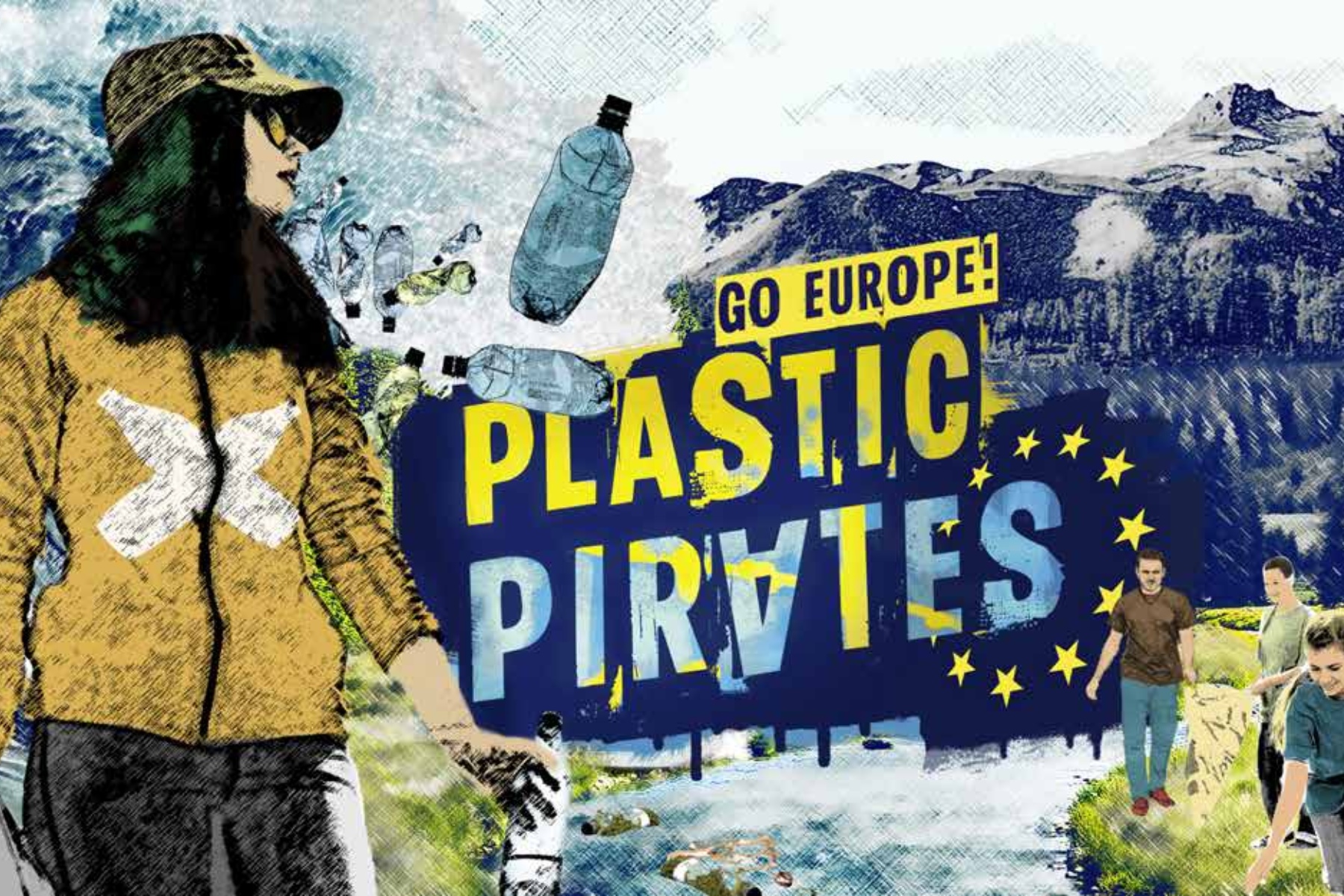
This autumn, schools, extracurricular education institutions, and youth groups across Latvia are invited to take part in the international citizen science campaign “Plastic Pirates” (“Plastic Pirates – Go Europe!”). Participants aged 12 and over can follow a standardised research methodology to survey rivers, streams, or the seacoast in their local area and collect data on waste pollution found there.
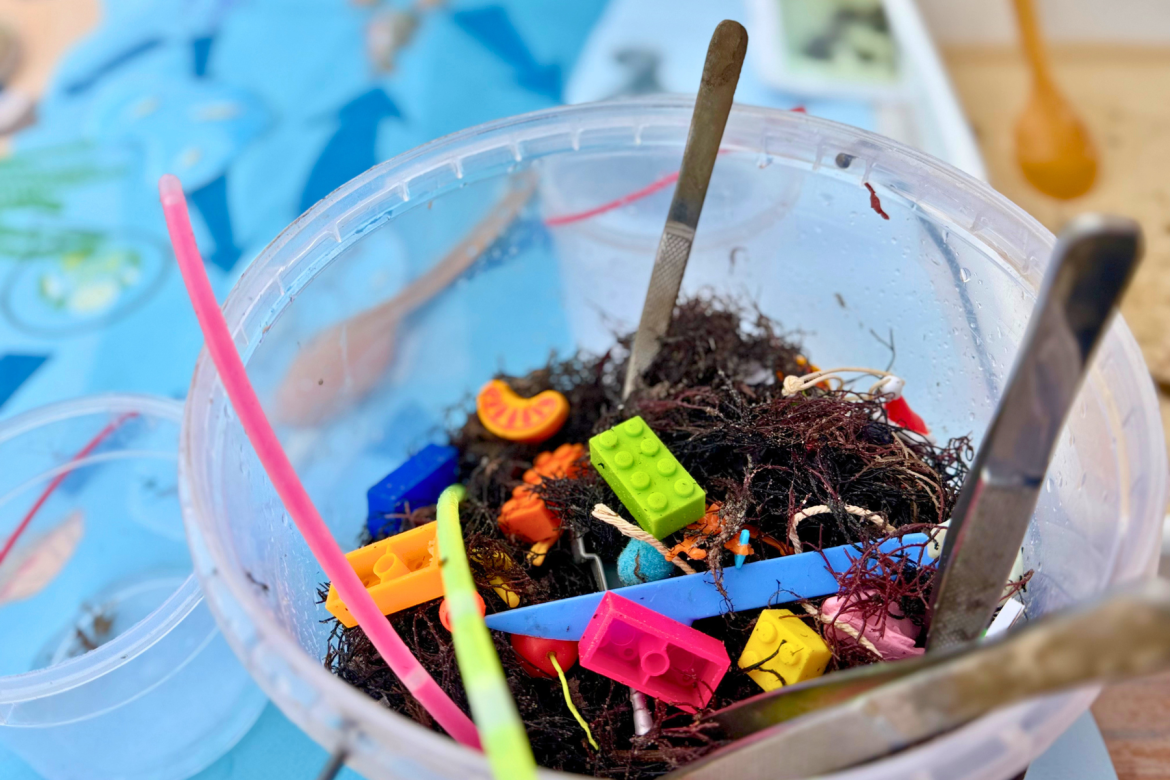
“Plastic Pirates” originated in Germany and is currently being implemented in several European countries. Its aim is to involve children and young people in a real research process while collecting data on the distribution of plastic and other types of waste in waterways and coastal areas. Participants work in groups and carry out several interconnected tasks: surveying a designated area, recording the waste they find, categorising it, and assessing possible sources of pollution. Some tasks also involve collecting microplastic samples. The work follows a standardised scientific protocol so that results obtained in different locations and countries can be compared.
The survey results are recorded in a shared database. After the data have been verified, they can be used in research, expanding knowledge about the distribution of pollution in locations and time periods that cannot be regularly covered by national monitoring programmes. At the same time, young people have an opportunity to gain practical insight into the research process – from fieldwork and sample collection to data compilation and their use in scientific research.
In Latvia, the Latvian Institute of Aquatic Ecology (LHEI) is involved in the scientific implementation of the campaign. The institute provides methodological support to participants and analyses the microplastic samples collected during the campaign.
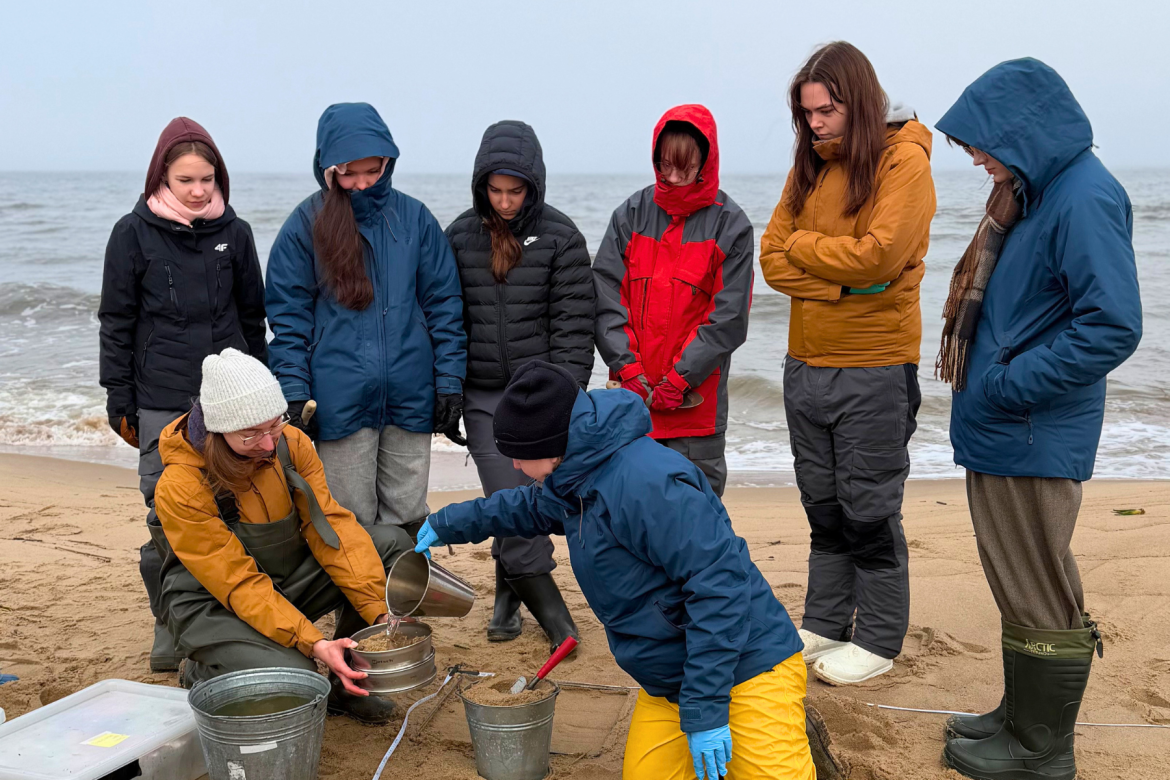
The campaign activities can be carried out both in autumn and spring. This autumn’s phase in Latvia is planned to continue until mid-November, but groups can adapt the timing of their fieldwork to their learning or activity programme and weather conditions. If participation is not possible in autumn, the research can also be carried out next spring.
To introduce the campaign process and the organisation of practical activities, an informational webinar for teachers, extracurricular education educators, youth group leaders, and other interested participants will take place on 18 September at 14:00 on Zoom. The webinar will explain the procedures for sample collection and data registration, the available methodological materials, and the subsequent work with the collected data and samples. Registration for the webinar: https://forms.gle/86zuzXyHqXZzEXiT7
Information about the campaign and its international implementation: https://www.plastic-pirates.eu/lv
The webinar is organised with the support of the project “Daugavpils University Doctoral Grants in Smart Specialisation Areas” (1.1.1.8/1/24/I/004).