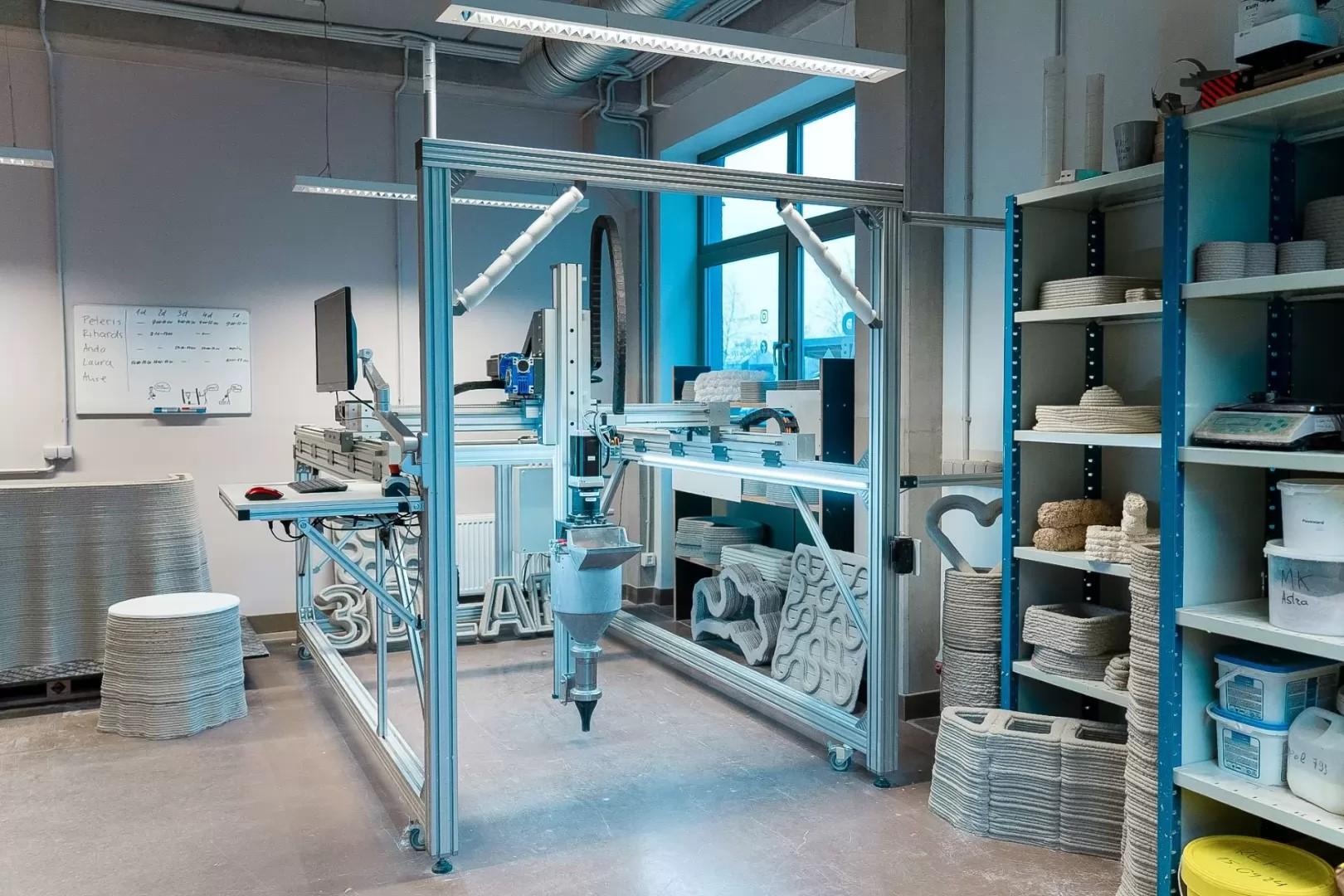
Sensors embedded in road surfaces, 3D concrete made from Latvian raw materials, technologies for recycling asphalt for reuse, and sprayable concrete for longer-lasting bridges – Riga Technical University (RTU), in collaboration with the Swiss Federal Laboratory for Materials Science and Technology (Empa), has launched a project for the development of advanced and sustainable concrete and asphalt materials and technologies. In addition to scientists, the project will also involve schoolchildren and students at all levels, enhancing knowledge and research capacity in Latvia.
"Road and building material production creates a significant burden on the climate. For example, concrete is responsible for 8% of CO2 emissions worldwide. One of the biggest challenges in the industry is replacing non-renewable resources.
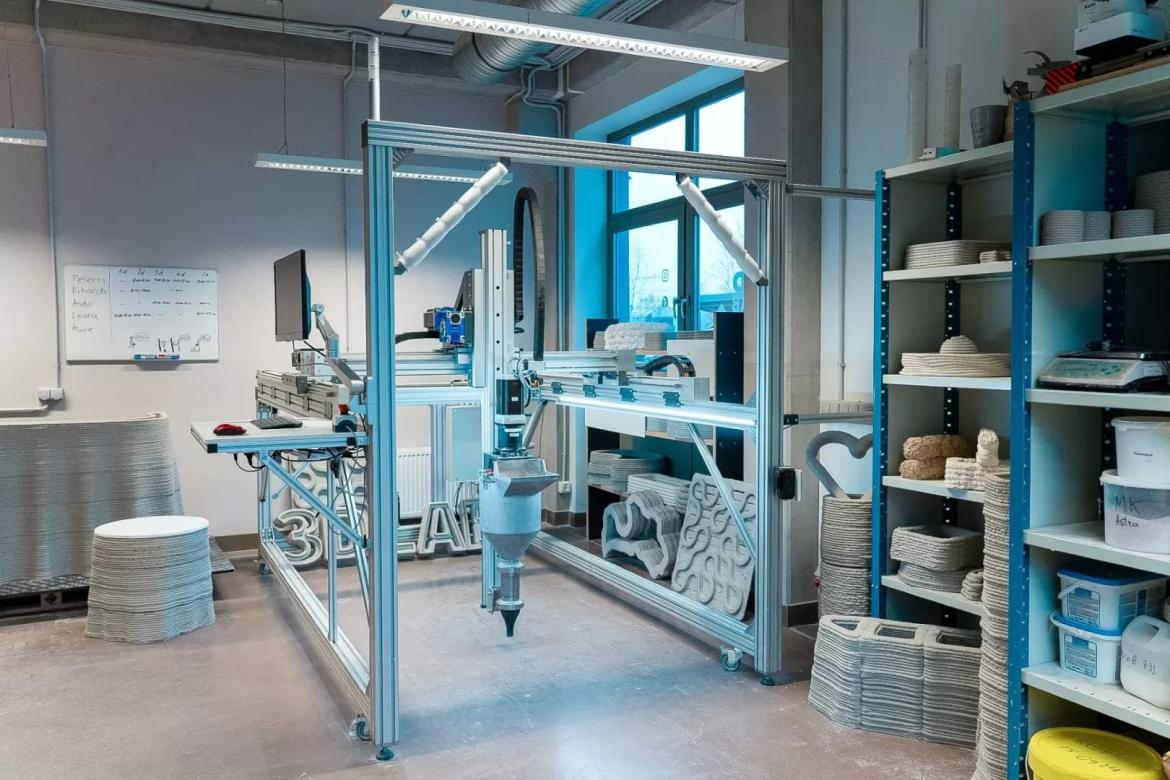
RTU scientists have extensive experience and knowledge in developing innovations, including the incorporation of used car tires and polymer waste into asphalt, creating and testing the first 3D printing-ready concrete mixture in the Baltics, and utilizing production residues and by-products in the development of new construction materials.
By combining the expertise of RTU scientists and supplementing and adopting Empa’s experience, we will develop materials and technologies that will help the industry introduce innovations, become greener, and more productive," emphasizes the scientific leader of the LACHMAT project, Associate Professor Viktor Haritonovs from the RTU Faculty of Civil Engineering and Mechanical Engineering.
LACHMAT is a project under the Swiss-Latvian Cooperation Program "Applied Research." It will be implemented until 2029, with RTU scientists from the Faculty of Civil Engineering and Mechanical Engineering and the Faculty of Science and Technology developing technologies for the reuse of road surfaces and the addition of bio-based additives in asphalt production. Scientists from the Faculty of Civil Engineering and Mechanical Engineering will also focus on enhancing high-performance reinforced concrete, which will extend the lifespan of bridges and reduce the need for reconstruction. To promote the sustainability of 3D printed concrete, researchers will develop concrete mixtures using locally sourced minerals. Meanwhile, scientists from the Faculty of Computer Science, Information Technology, and Energy will improve technology to extend the life cycle of asphalt surfaces, based on data from sensors embedded in the road surface.
The project plans to involve 16 undergraduate students, eight master's students, four PhD students, and three postdoctoral researchers, who will work closely with RTU and Empa scientists and faculty members. Sixteen high school students will also have the opportunity to gain early research experience and receive scholarships for scientific research work. Special attention will be given to increasing girls' interest and understanding of advanced technologies. Researchers will also collaborate with industry, presenting research results and addressing barriers to their commercialization. Students and schoolchildren interested in participating in the project are invited to fill out a questionnaire to receive further information.
The "Applied Research" program is part of Switzerland’s contribution to EU member states to promote scientific excellence, innovation, and economic development. A total of 12.3 million euros is available for the development of science and research in Latvia, providing opportunities to implement significant projects, create innovations, and strengthen international cooperation.
Photo insight from the opening of the Swiss-Latvian Cooperation Program "Applied Research" (to view tha album click on the photo).