To evaluate the potential public health benefits of reducing sugar consumption in Latvia, the Public Health Institute of Riga Stradiņš University (RSU SVI) has conducted an extensive study titled “The Impact of Sugar Consumption on Physical and Mental Health.”
The review of scientific literature examined the effects of sugar consumption on physical and mental health, as well as its impact on healthcare costs.
RSU Public Health Institute Director Anda Ķīvīte-Urtāne stated:
"It is well known that Latvia faces an obesity epidemic—up to 60% of adults and 25% of children are overweight or obese, a significant risk factor for cancer, diabetes, heart disease, and other illnesses. Therefore, one of the priority actions in the new Ministry of Health's 'Action Plan to Reduce the Growth of Overweight and Obesity Prevalence 2025–2029' will focus on reducing sugar consumption among Latvia’s population, including through tax policy. As our study shows, this reduction will be an effective investment in promoting public health in Latvia.”
The studies included in the review explored sugar consumption's effects on microbiome changes, obesity, tooth decay, diabetes, and autoimmune diseases. Additionally, it examined impacts on cardiovascular and oncological diseases, mortality, mental health, and healthcare expenditures.
RSU lecturer and leading researcher at the Department of Dental Therapy and Oral Health, Ilze Maldupa, emphasized:
"Sugar consumption undoubtedly burdens healthcare systems. While research on reducing sugar intake in modern society is challenging, the available evidence suggests significant public health improvements in all studied areas. Furthermore, evidence points to the long-term negative effects of early exposure to free sugars, highlighting the potential for greater societal health, well-being, and economic benefits if political decisions limit sugar availability for younger children.”
Meanwhile, the Baltic International Centre for Economic Policy Studies (BICEPS) conducted a study titled “Expanding the Tax Base: Food Products with High Sugar and Salt Content.” The research aimed to analyze excise tax application to non-alcoholic beverages in Latvia and other EU member states. It also explored opportunities to expand the tax base in the Baltic states to include foods with high sugar and salt content, assessing the role of such products in the diet and their contribution to obesity.
In 2024, Hungary remained the only European country to impose a special indirect public health product tax, in addition to VAT, on non-alcoholic beverages and foods high in sugar and salt. Using Hungary's example, BICEPS simulated scenarios to evaluate the short-term effects of implementing a differentiated and comprehensive tax on high-sugar and high-salt foods in the Baltic states. The scenarios analyzed price increases, sales reductions, and budget revenue changes. Recommendations for tax design and alignment of tax rates across the Baltic states were also provided.
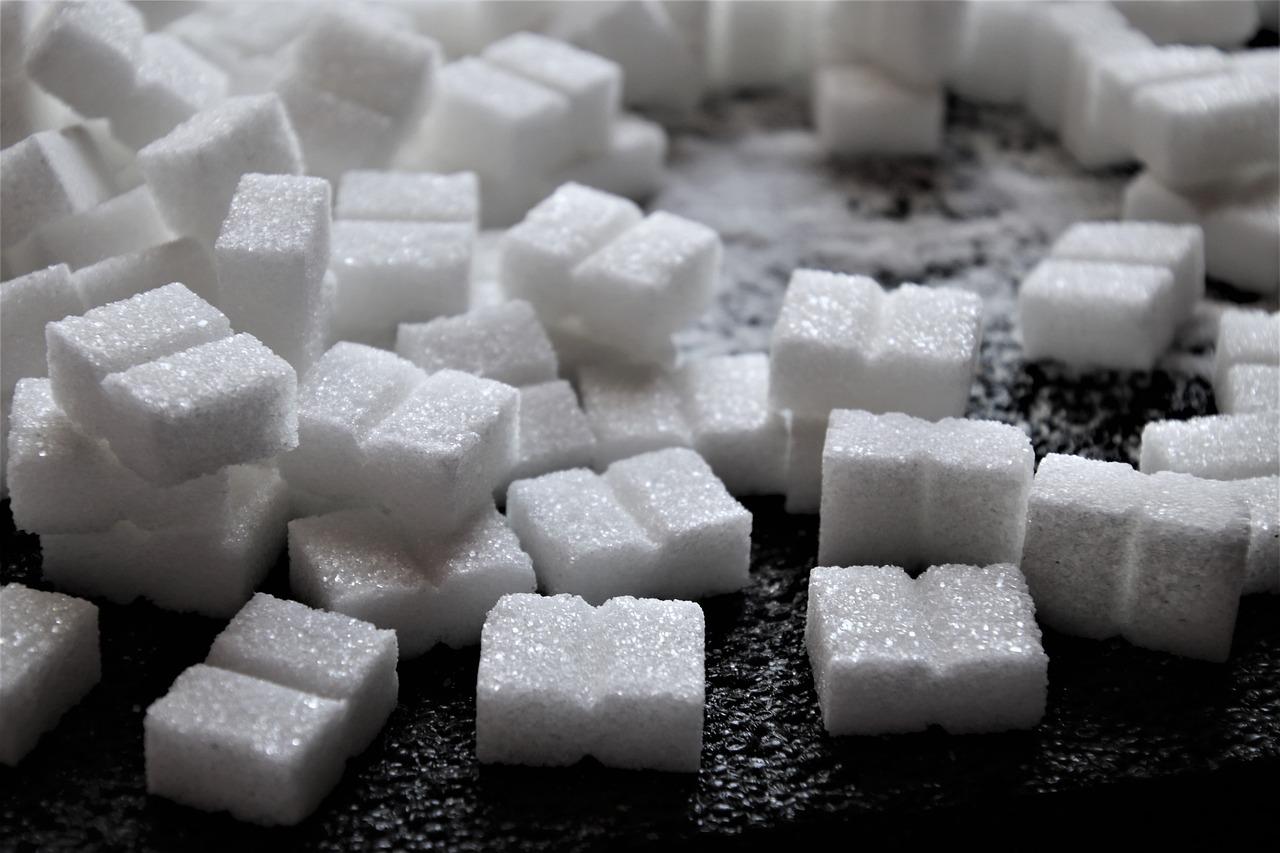
Photo: Pixabay.com