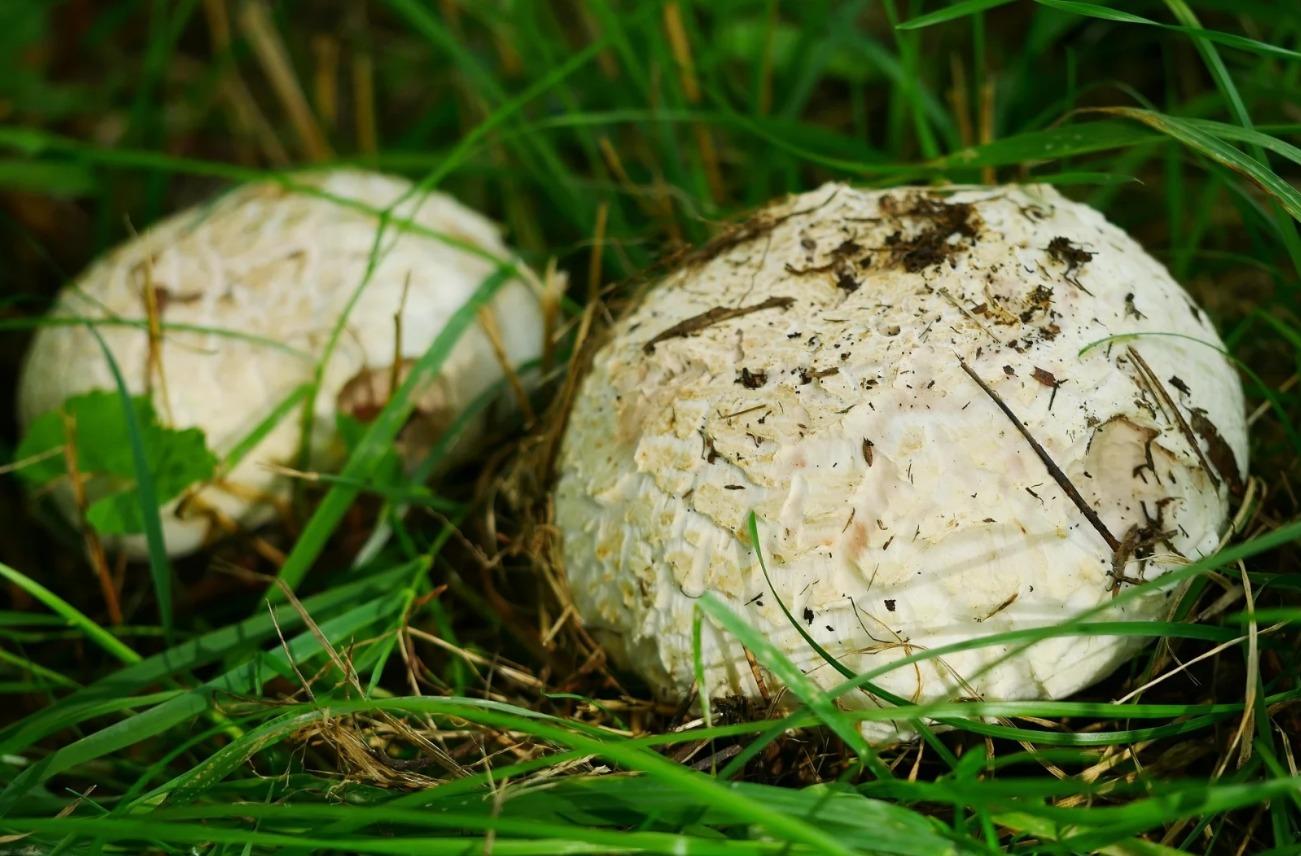
Scientists at Riga Technical University (RTU) have developed a technology for obtaining high-purity chitosan that is particularly suitable for the successful treatment of wounds and burns. The researchers extracted chitosan from chitin using residues from the cultivation and sorting of the cultivated mushroom (Agaricus bisporus) .
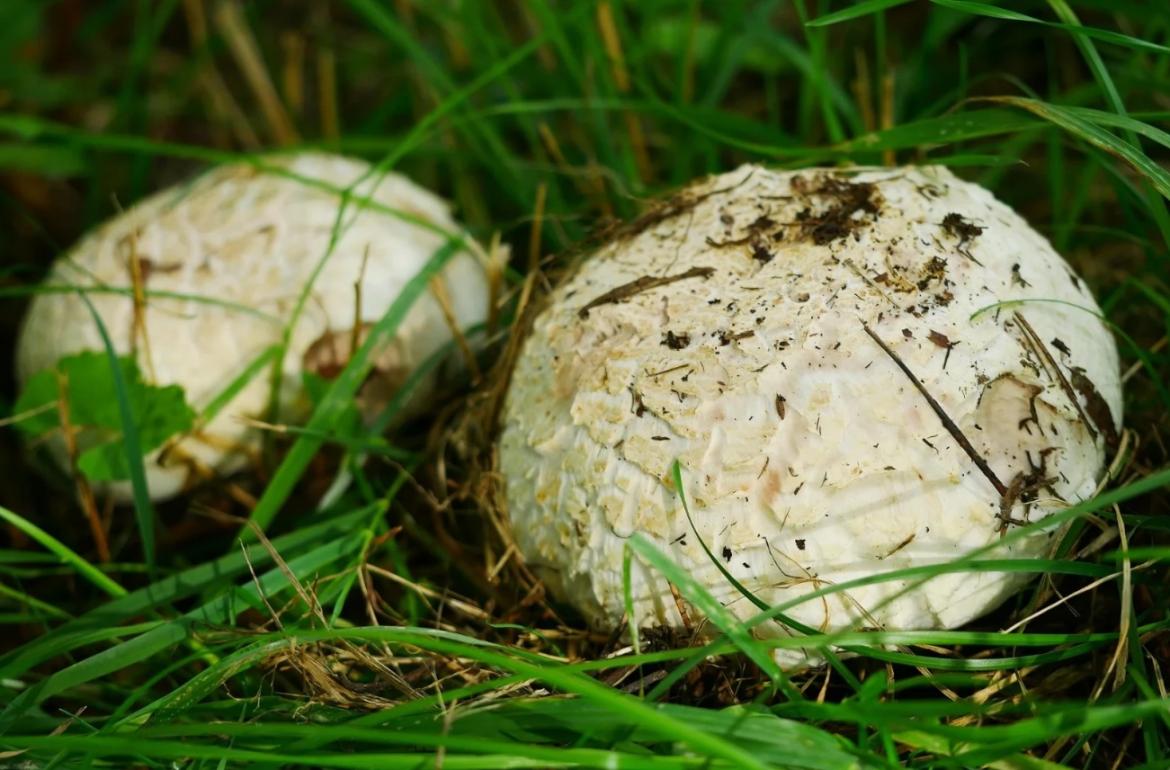
Scientists have optimized the approach to chitosan production compared with commercial chitosan products. In further cooperation with industry, it may be possible to develop chitosan-based gels and dressings that reduce inflammation, inhibit the development of microorganisms, and stimulate skin regeneration.
“It is expected that in the near future this technology will help entrepreneurs in the Baltic states offer sustainable medical products of non-animal origin — chitosan-containing gels and dressings obtained from local by-products of the cultivated mushroom (Agaricus bisporus),” says the scientific leader of the project “Lyophilized chitosan extract from Agaricus bisporus and their residues for burn and wound care: a hypoallergenic solution for skin regeneration (FCEA-BW)”, leading researcher at the RTU Institute of Physics and Materials Science, Jānis Baroniņš.
The scientists plan to continue the research and expand its directions by participating in a European Regional Development Fund project, in which the chitosan extraction technology is planned to be integrated into the synthesis process of nanoAg chitosan and coffee-residue extract.
Another significant breakthrough in this research project is the discovery of very small embryonic-like cells in adult human adipose tissue. These cells possess significantly higher therapeutic potential than the general stem-cell population. They are also clinically safe, as they can be obtained from the patient, expanded, and used for autologous therapy — that is, treatment using the patient’s own biological material, for example adipose tissue obtained through liposuction that is harmless to human health. Combined with chitosan gel, this therapy could allow faster healing of wounds and burns.
The path to clinical application still lies ahead, as deeper validation and a stronger evidence base are required. The scientists plan to continue the research by attracting funding from the European Research Council ERC Consolidator Grant programme. Work is also actively underway to address regulatory challenges so that stem-cell regenerative therapy becomes more accessible in Latvia.
To implement the research project, an interdisciplinary research team was formed from three RTU institutes, including leading researchers Jānis Baroniņš and Andrejs Šiškins from the Institute of Physics and Materials Science, leading researcher Uldis Bērziņš from the Institute of Mechanical Engineering and Biomedical Engineering, and leading researcher Inese Mieriņa from the Institute of Chemistry and Chemical Technology.
The research was carried out within the EU Recovery Fund project “Implementation of consolidation and governance changes at Riga Technical University, the University of Liepāja, Rezekne Academy of Technologies, the Latvian Maritime Academy and Liepāja Maritime College towards excellence in higher education, science and innovation” (No. 5.2.1.1.i.0/2/24/I/CFLA/003).