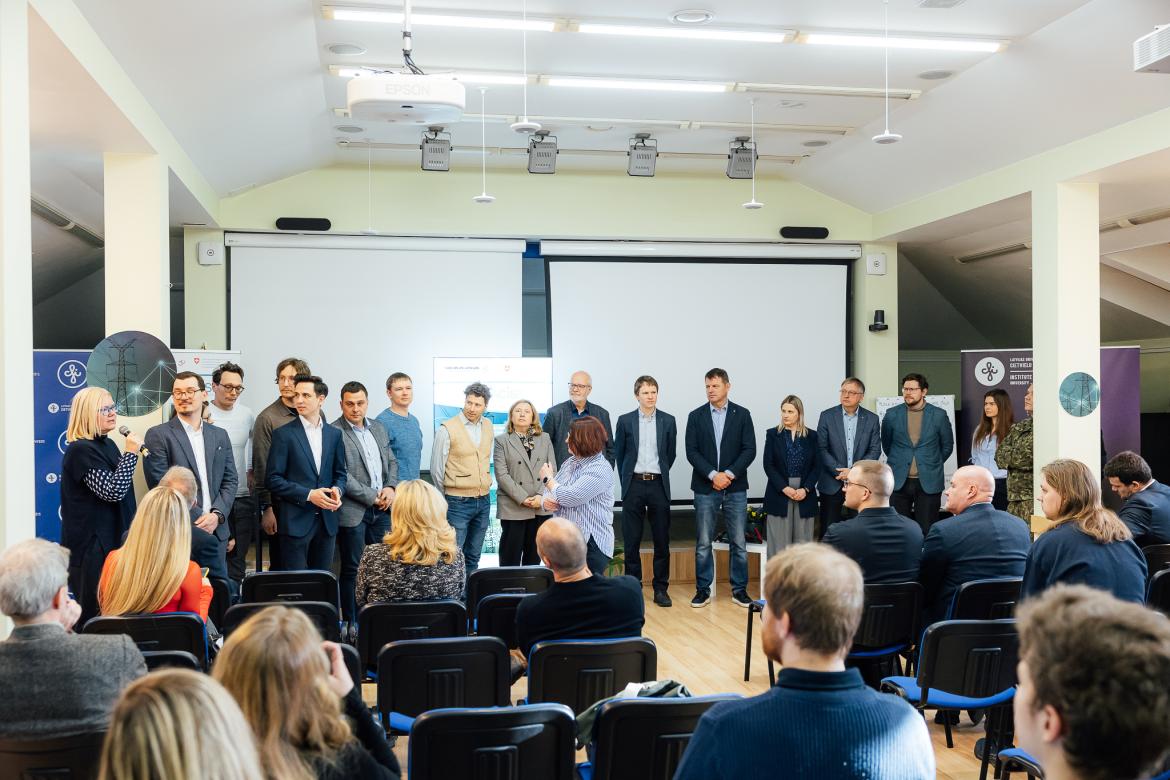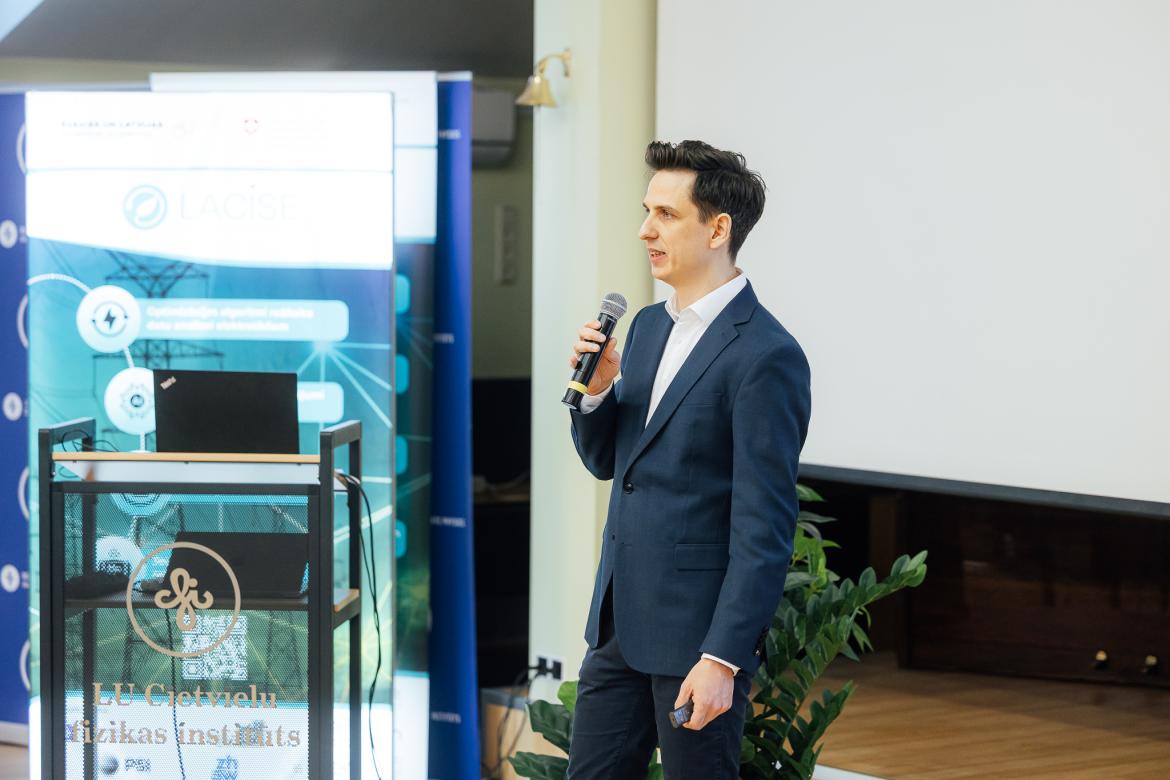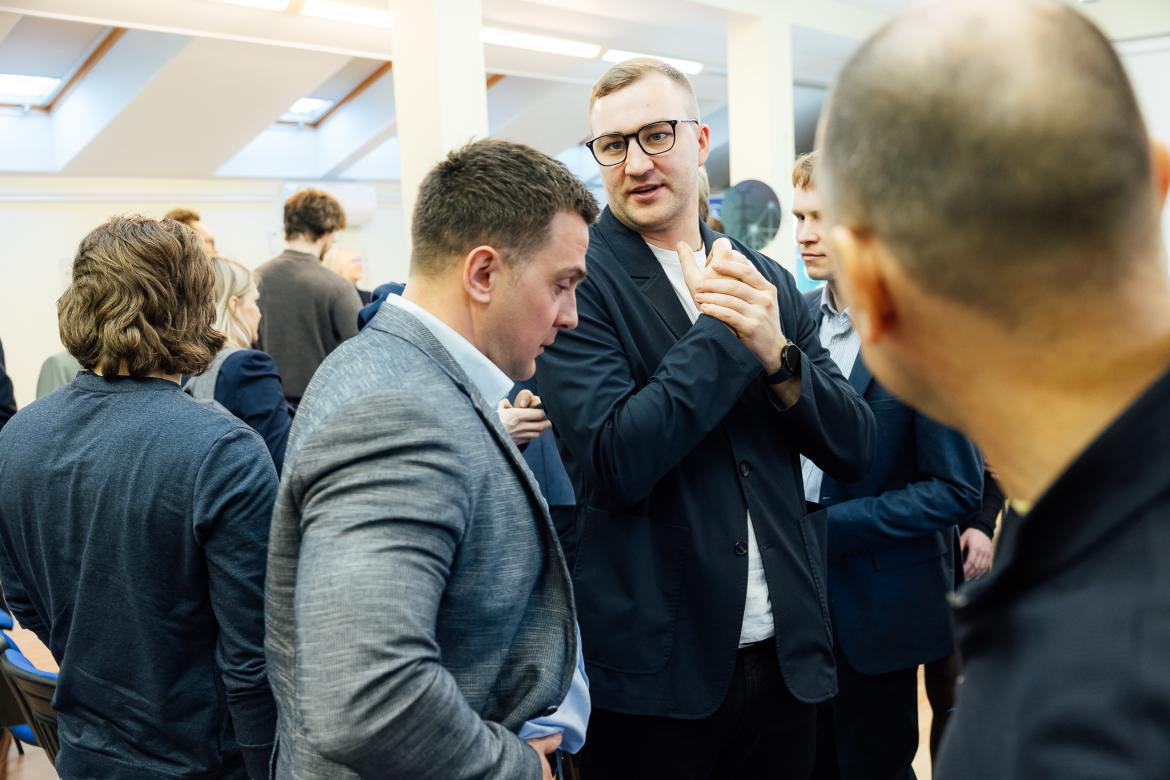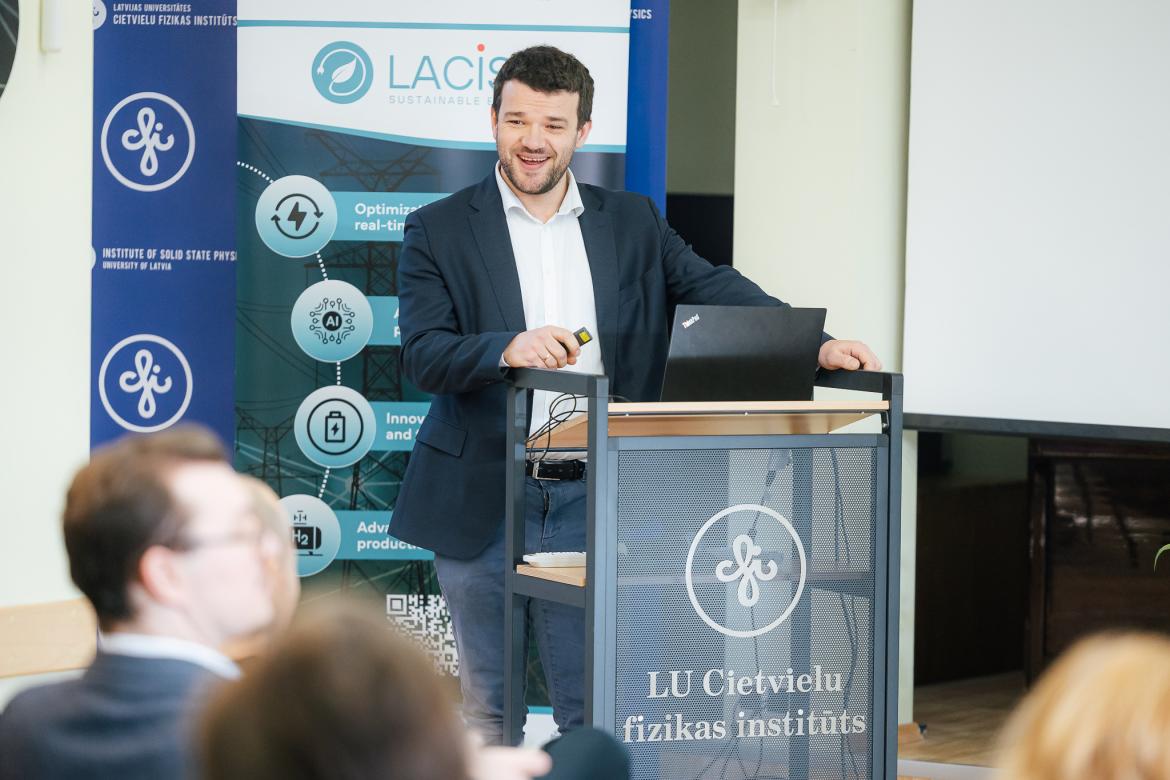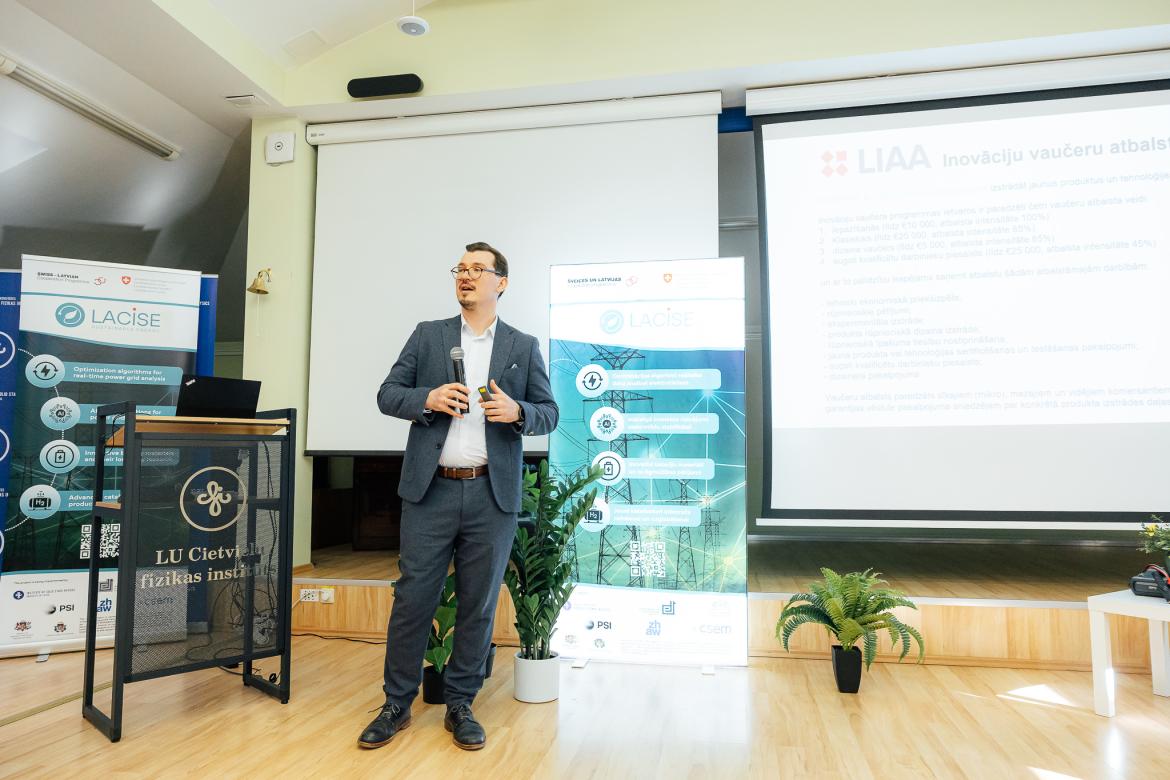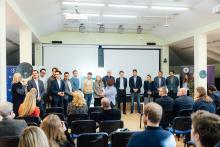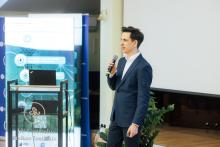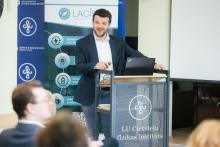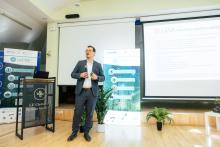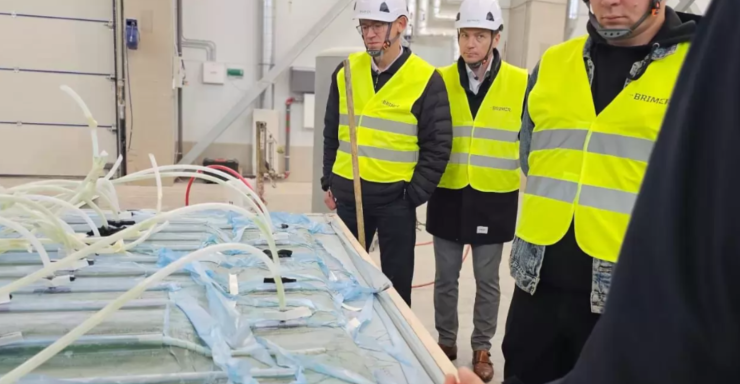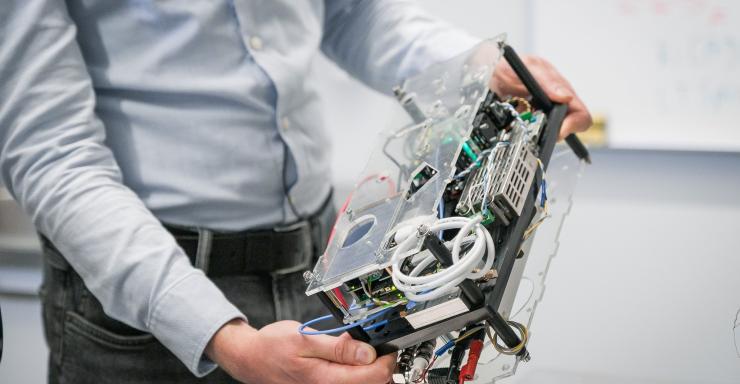
On 25 February 2026, the Institute of Solid State Physics, University of Latvia (ISSP UL), hosted the country’s first-ever Battery Industry Day, bringing together a broad spectrum of researchers, companies, and public-sector representatives to discuss the future of battery technologies and strengthen collaboration across the Latvian innovation ecosystem. The event was organised within the Swiss–Latvian cooperation programme project LACISE.
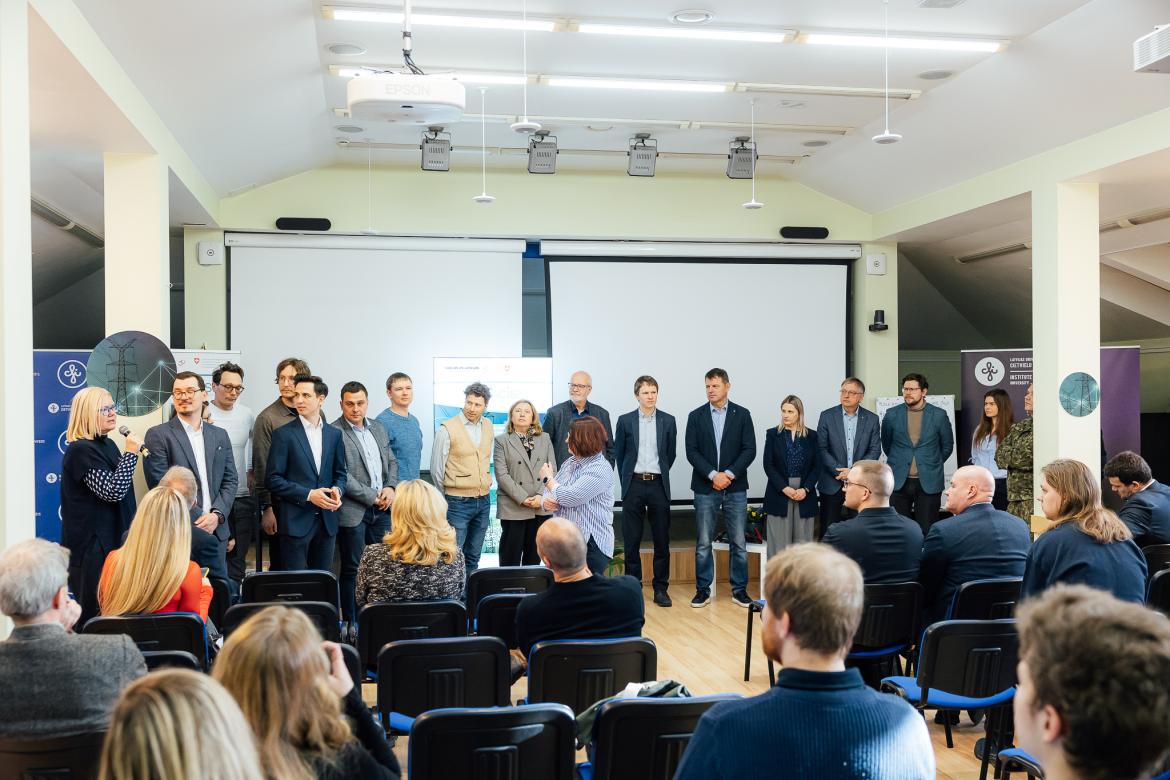
The inaugural Battery Industry Day attracted participants from ISSP UL, the University of Latvia, Riga Technical University, and the Institute of Electronics and Computer Science, as well as companies and organisations active in electromobility, renewable energy, energy efficiency, micromobility, defence, and high-tech sectors.
During the discussion sessions, participants identified key challenges currently hindering the development of battery solutions in Latvia, including:
• performance limitations in low temperatures;
• the lack of high‑quality battery management systems;
• insufficient battery cell and system testing infrastructure;
• and the absence of established battery recycling and end‑of‑life handling pathways.
Although Latvia cannot compete with global leaders in large-scale manufacturing capacity, it has strong potential in innovative, sustainable, and knowledge-driven battery materials and technologies, which could reinforce its role in the European battery value chain.
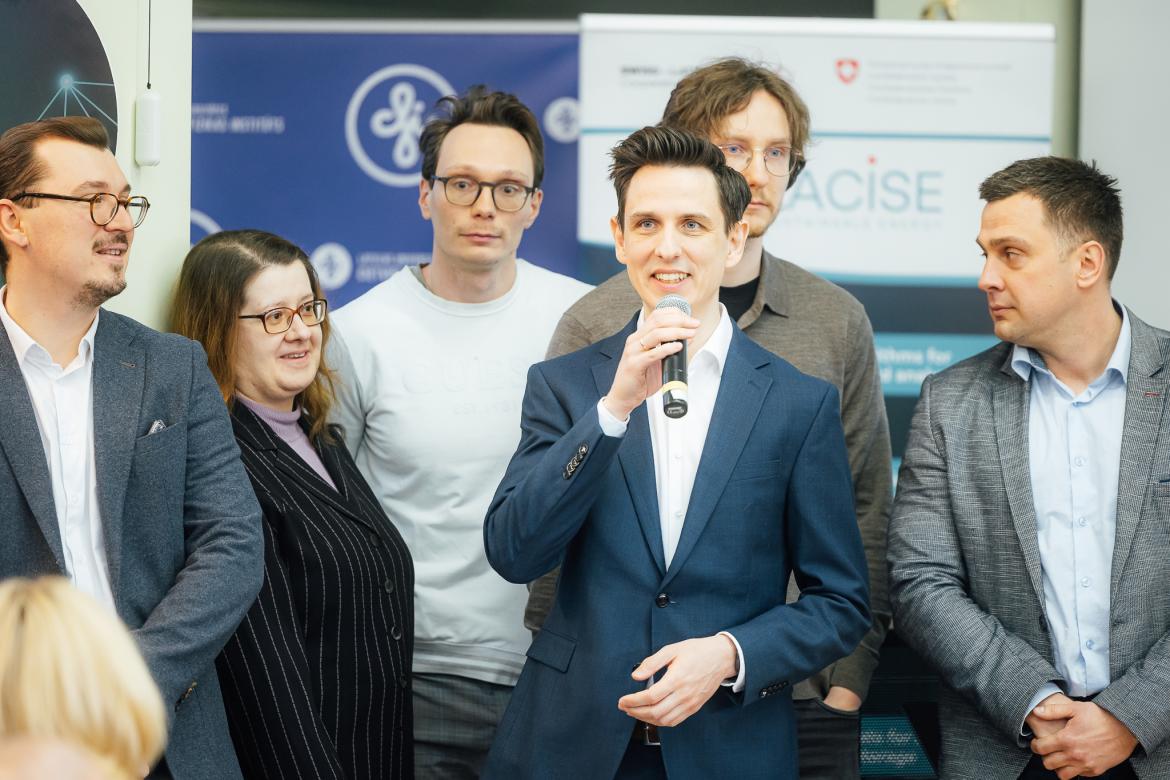
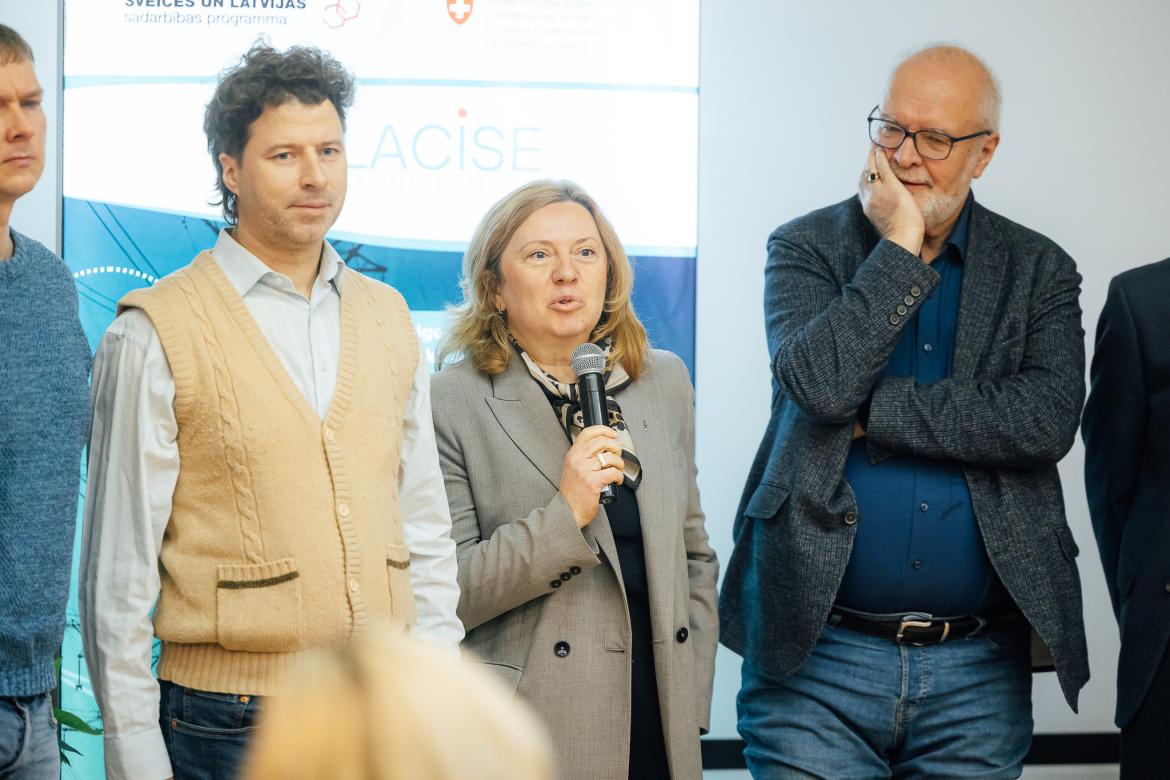
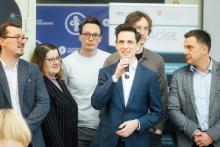
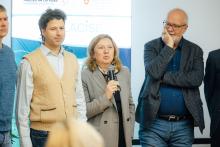
In the second part of the event, Māris Sedlenieks, Development Project Manager at Latvenergo, and Minglong He, Lead Scientist at ABB Schweiz AG, shared insights into technological trends and successful models of collaboration between industry and research institutions. Timurs Safiluļins, International Project and Funding Specialist at the ISSP UL, also introduced participants to available funding instruments and partnership opportunities in Latvia and across Europe.
A shared conclusion among attendees was the strategic need to establish a battery testing laboratory in Latvia, equipped with standardised testing methodologies. Such a facility would create a unified quality-assessment environment and accelerate the advancement of innovative solutions toward pilot trials and market deployment. Participants also emphasised the value of organising regular sectoral meetings to coordinate battery technology development and identify collaboration opportunities early.
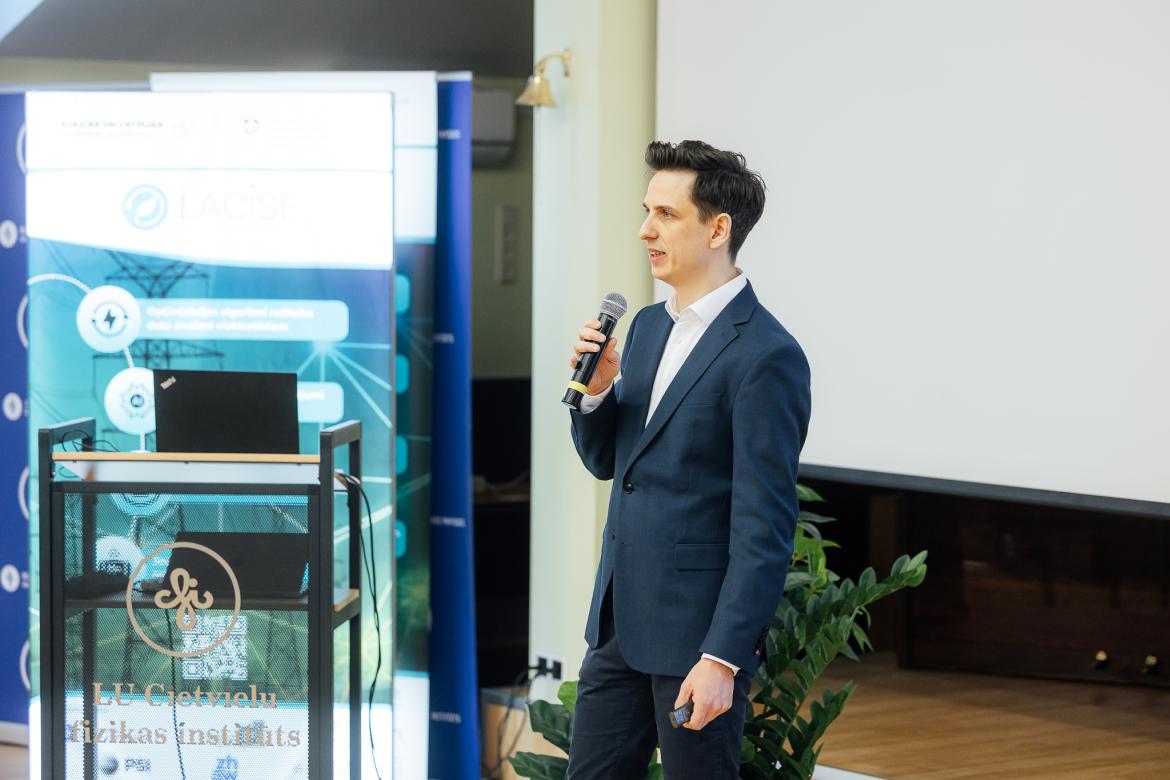
“Battery Industry Day demonstrated that Latvia has strong potential in high-value-added battery technologies. Our strength is not in mass production, but in knowledge-based, sustainable, and technologically exceptional solutions – from materials research to smart battery management systems. This niche can become the foundation of Latvia’s competitiveness during the energy transition,” said Dr. phys. Gints Kučinskis, Head of ISSP UL’s Energy Materials Laboratory and LACISE Project Coordinator.
Battery Industry Day is the first event organised under the emerging Swiss–Latvian Digital Competence Centre on Smart Energy, which aims to foster cooperation and knowledge exchange between researchers and industry partners from both countries.

|
|