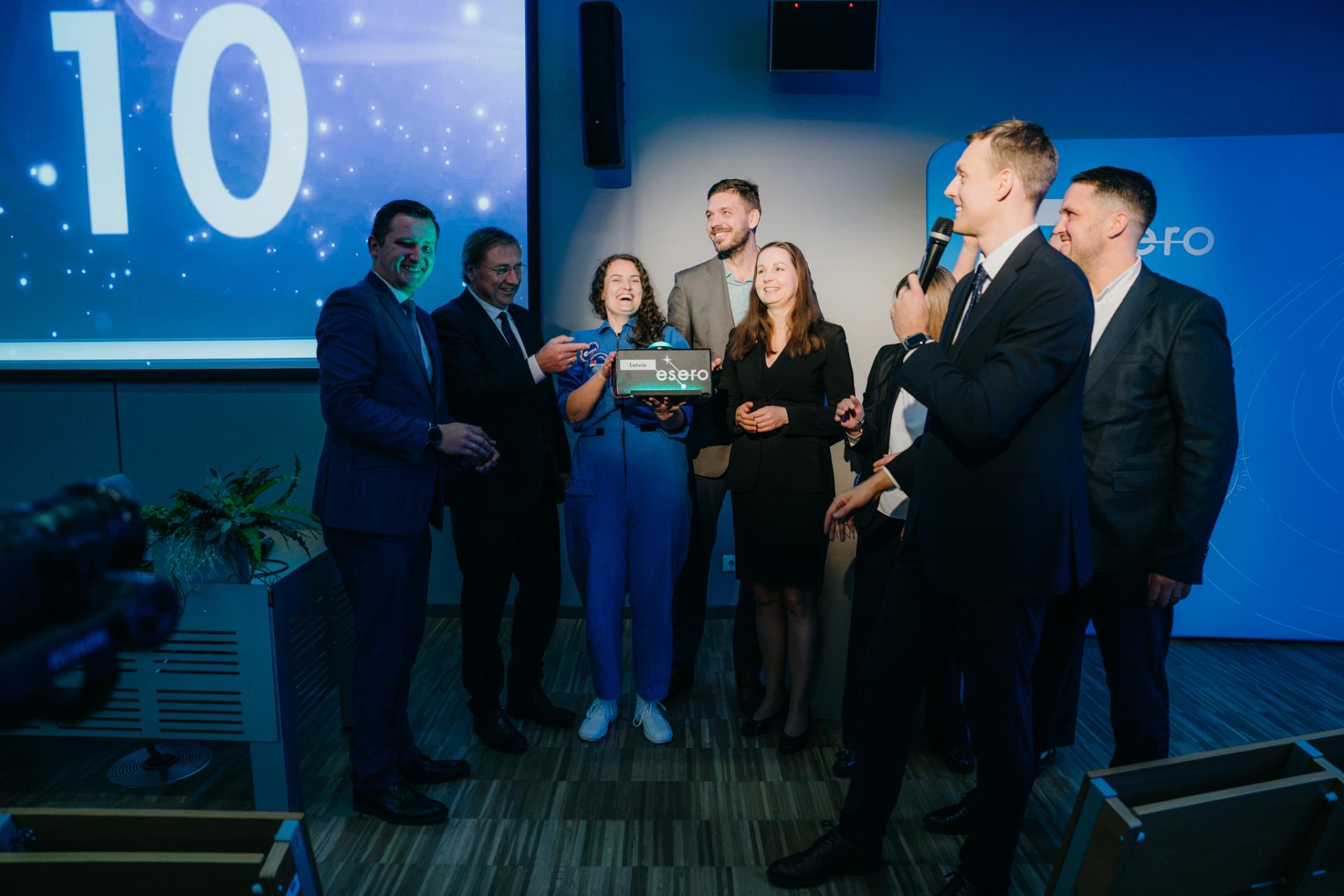
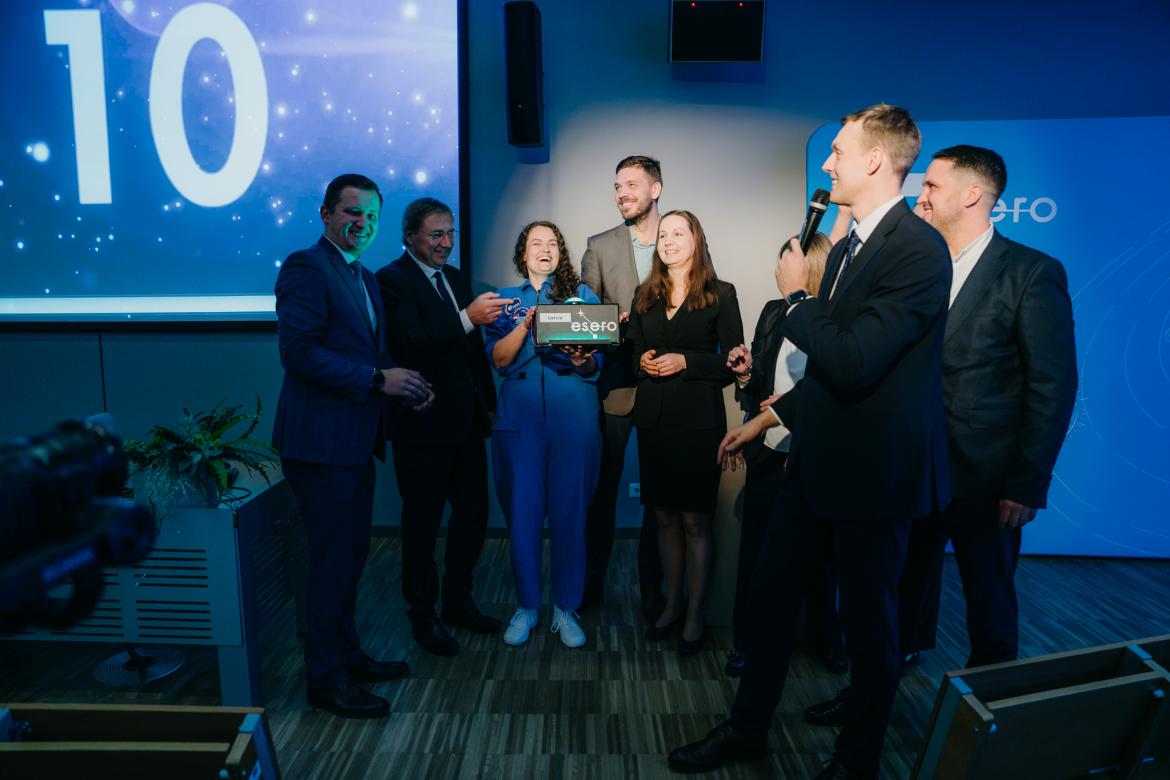
A new ESERO Office was officially inaugurated at the University of Latvia in Riga on 21 October 2026. With Latvia joining the network, ESA’s flagship educational project now comprises 23 Offices across ESA Member States and Associate Members — a significant milestone as the network celebrates its 20th anniversary.
What is ESERO?
The European Space Education Resource Office (ESERO) is ESA’s flagship educational initiative for children and young people from early childhood through secondary education. Implemented in collaboration with national partners, it supports and promotes innovation in formal and non-formal education in science, technology, engineering and mathematics (STEM) across Europe.
Drawing on the inspirational power of space, ESERO engages and supports teachers and educators through professional development opportunities, teaching and learning resources, and interdisciplinary, project-based activities. These help educators develop students’ STEM knowledge, skills and competences while nurturing their curiosity and interest.
ESERO also places a strong emphasis on STEM and space-related careers, offering inspirational activities that help students discover the opportunities available in the space sector and encourage them to pursue further studies and careers in STEM.
The newly launched ESERO Latvia is delivered by the University of Latvia’s Innovation and Acceleration Centre (IAC), in close collaboration with two partner organisations: Ventspils University of Applied Sciences and the Cēsis Space Education Centre. Based in Riga, the IAC promotes innovation, entrepreneurship and cooperation between schools, academia, industry and the public sector.
Together, the three partners bring expertise and experience in space, technology and STEM education across formal and non-formal learning environments. They will deliver a broad range of educational and inspirational activities for children and young people from early childhood through secondary education, as well as their families, teachers and educators.
ESERO Latvia is co-funded and jointly steered by ESA and the Latvian Ministry of Education and Science.
Investing in the next generation
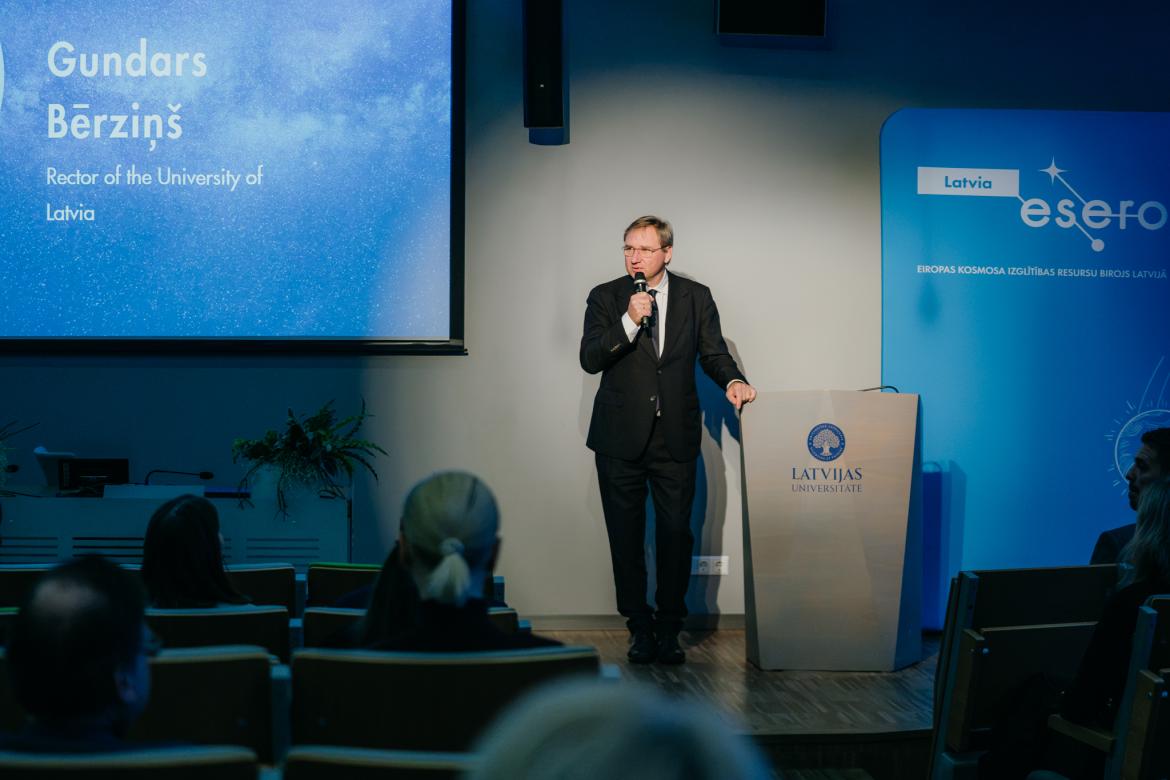
The ESERO Latvia launch event at the University of Latvia was attended by Professor Gundars Bērziņš, Rector of the University of Latvia; Ieva Siliņa, Parliamentary Secretary of the Ministry of Education and Science; Jurģis Miezainis, Parliamentary Secretary of the Ministry of Economics; Dāvids Štēbelis, ESA Industry Coordinator in Latvia; and Monica Talevi, Head of ESA’s STEM Education and Outreach Unit. Miks Dzenis, Project Manager of ESERO Latvia, presented the initiative’s mission, objectives, planned activities and opportunities for teachers and students.
Professor Gundars Bērziņš, Rector of the University of Latvia, emphasised the importance of education and scientific curiosity in preparing young people for the future.
“The opportunities of tomorrow begin with education and the courage to ask questions. Space helps children and young people see that science, mathematics and technology are more than school subjects. They are tools for understanding the world and developing new solutions. ESERO Latvia will help students discover their abilities, nurture their curiosity and believe that they, too, can become the scientists, engineers and innovators of the future. By investing in children’s education today, we are building a Latvia ready to meet the challenges of tomorrow,” said Professor Gundars Bērziņš.
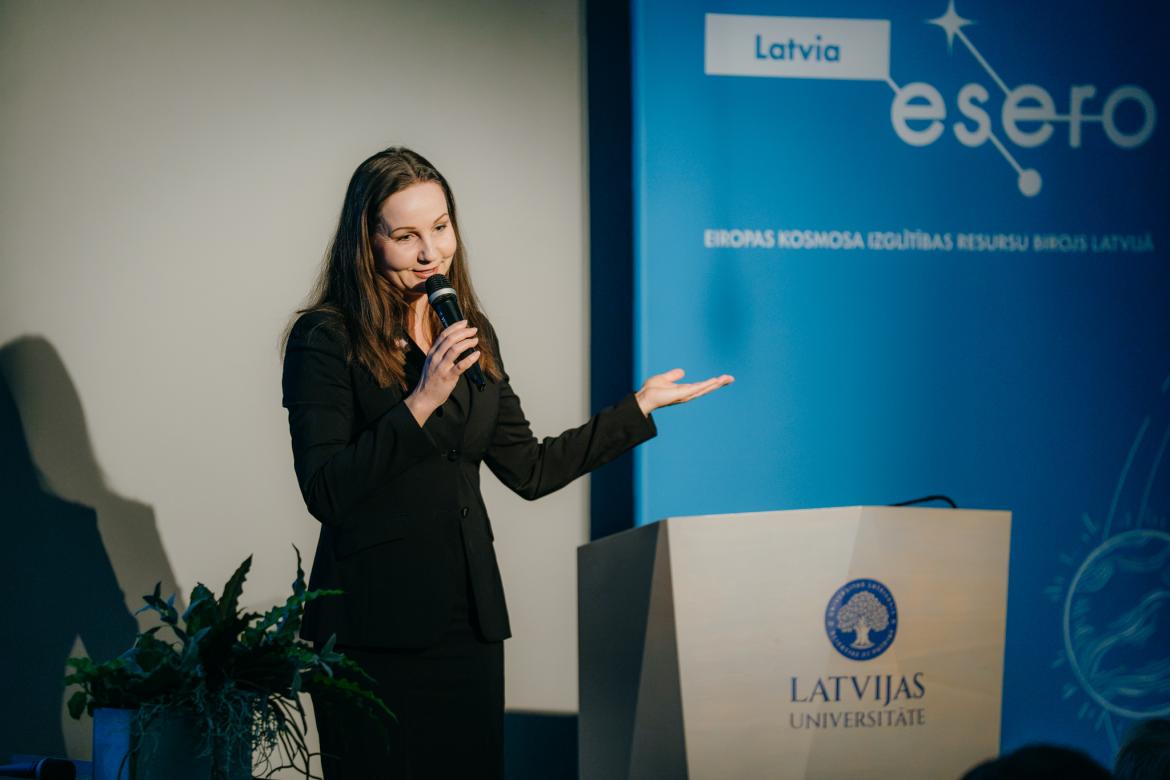
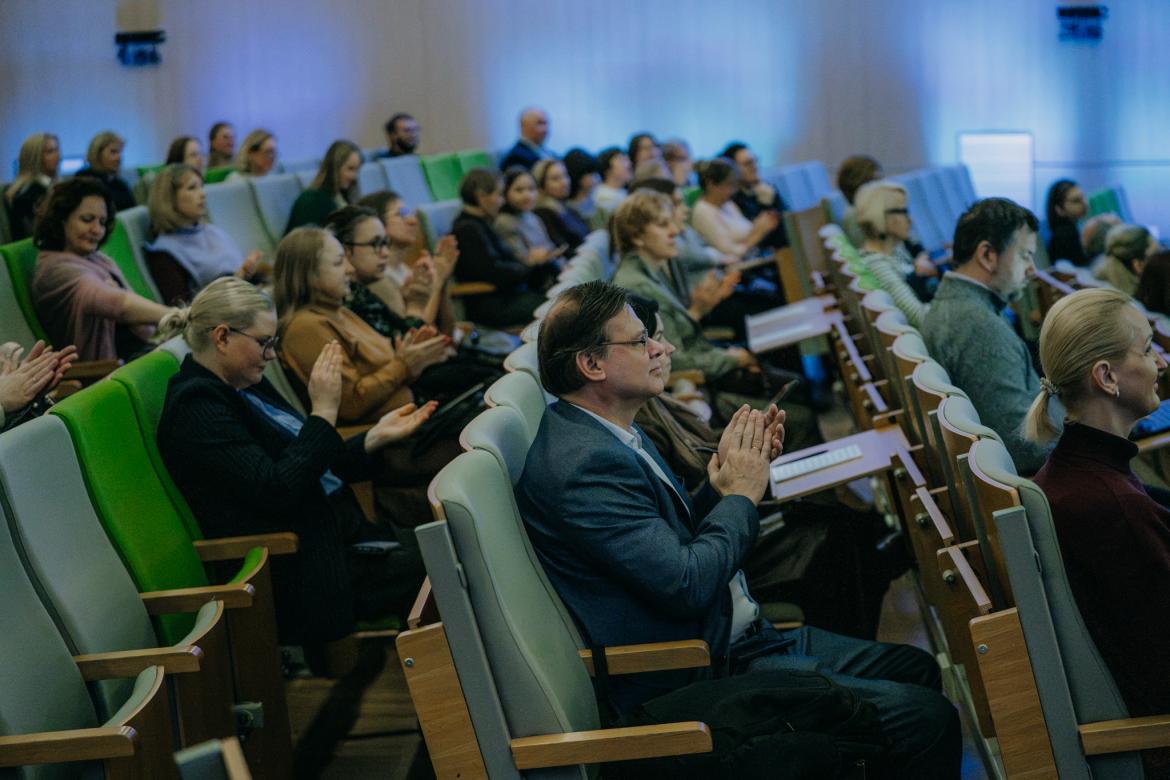
The event also featured a roundtable discussion entitled “Space for Latvia’s STEM Talent: Supporting Students through Space Education”. The discussion brought together Mārcis Greiselis, Teacher of Physics, Astronomy and Engineering Sciences at Cēsis State Gymnasium; Dāvids Štēbelis, ESA Industry Coordinator in Latvia; Associate Professor Daiga Kalniņa of the University of Latvia’s Faculty of Education, Psychology and Art; Annija Abzalone, Head of Educational Programmes at Cēsis Space Education Centre; Jānis Šate, CEO of Bitlake Technologies and Lecturer at Ventspils University of Applied Sciences; and Monica Talevi from ESA. The participants discussed opportunities to strengthen STEM education and support the development of Latvia’s future talent through space-related learning.
“Over 20 years of ESERO activities across Europe, we have seen how effective space can be as a context for children’s education,” said Monica Talevi, Head of ESA’s STEM Education and Outreach Unit. “Space is a powerful source of inspiration, and every STEM subject taught in schools can be connected to an example from space. Furthermore, the way space programmes are designed and carried out also brings to life essential 21st-century skills, including critical thinking, creativity, collaboration, communication, interdisciplinarity, resilience and agency. With ESERO, we capitalise on these real-life examples for the benefit of young people’s education. We look forward to seeing this approach take root in Latvia, creating opportunities to learn and grow together.”
“Through strong national partnerships and a bottom-up approach, ESERO Latvia will be well placed to address the country’s specific educational needs,” said Kaspars Karolis, Head of Latvia’s Delegation to ESA. “At the same time, Latvia will benefit from the wider ESA–ESERO network, where best practices and educational resources are shared. The ESA Education Office and the Latvian Delegation to ESA will work closely together to support and guide ESERO Latvia. We firmly believe in this cooperation and look forward to the project’s success.”
ESERO in Europe
Operating at national level across ESA Member States and Associate Members, each ESERO Office provides teachers and educators with tailored training programmes, engaging interdisciplinary projects and space-themed resources aligned with national curricula and available in national languages, while drawing on international best practices.
Over the past 20 years, ESERO has engaged 24.9 million students and supported more than 1.2 million teachers and educators across Europe. ESERO has strengthened teachers’ confidence in STEM teaching and helped students develop their STEM knowledge, skills and competences. By nurturing students’ confidence and interest, ESERO is also encouraging them to consider STEM careers, particularly in the space sector.
ESERO materialises ESA’s long-term commitment to STEM education and is a key element of ESA’s Space for Education 2030 vision for Education.