How roads were built in ancient times and how innovative technologies and advanced materials are used today — students from all over Latvia explore how roads are planned and constructed to ensure maximum durability, as well as the special vehicles used daily for road research and maintenance.
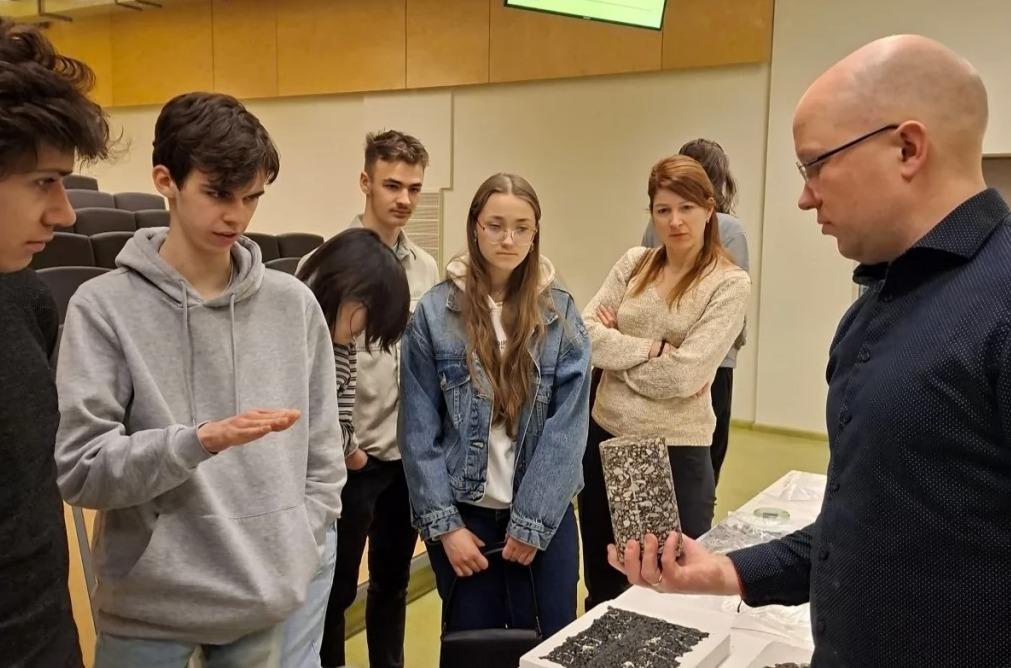
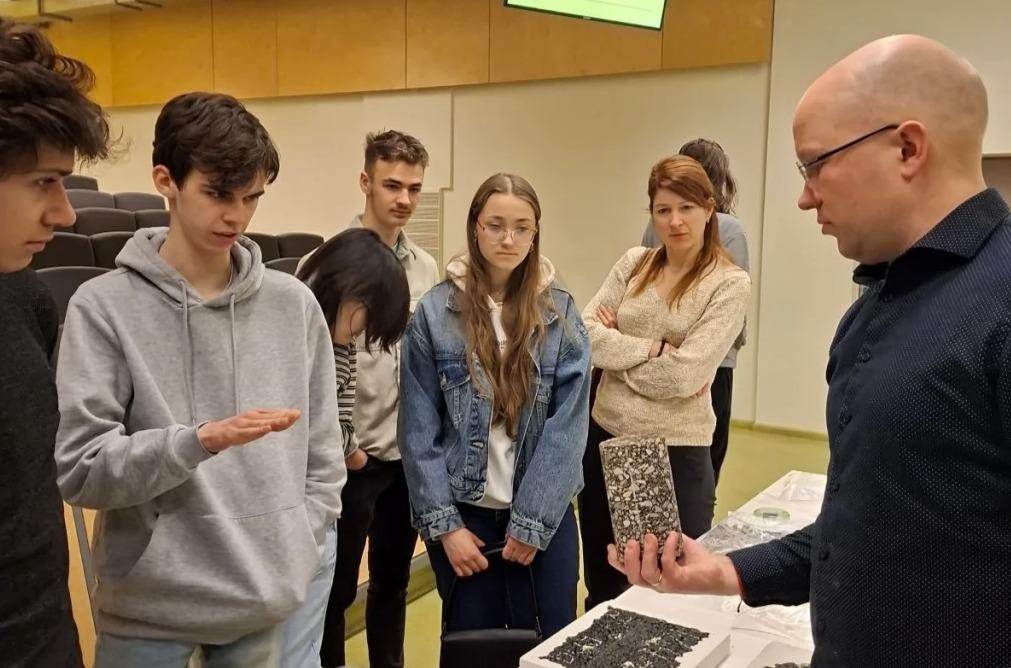
To uncover the unknown about the roads we use every day and to learn about education and career opportunities in the road construction sector, students had the chance to participate in a University for Future Engineers (UNI) session led by Endijs Līdaks, Technical Director at the state‑owned company Latvijas Valsts ceļi.
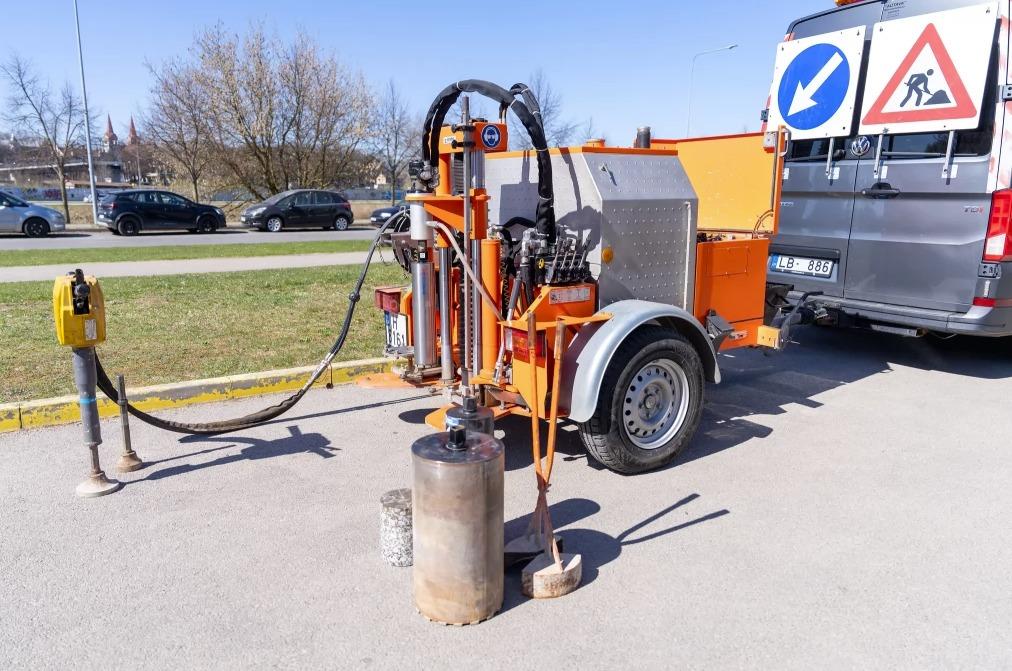
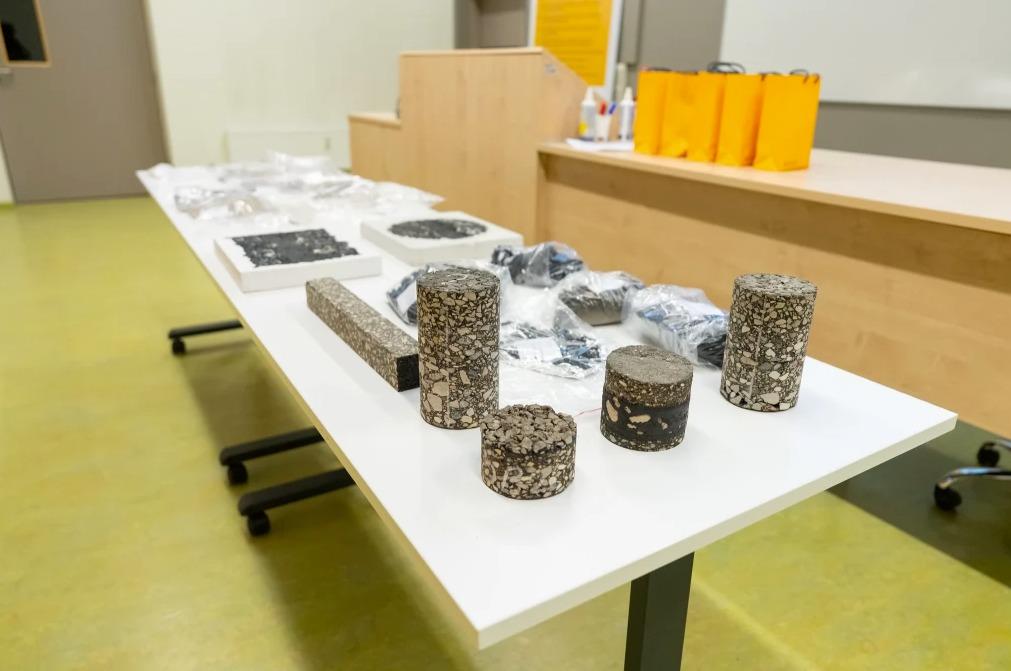
A major point of interest for the students were the various materials used in road construction and the asphalt concrete samples taken from real roads. They examined the samples with curiosity, asked many questions, and gained a deeper understanding of how modern roads are built, who is involved in the process, and how complex the work can be. The special vehicles used for road research and maintenance also drew significant attention — including a ground‑penetrating radar truck, a 360° “Google‑type” mapping vehicle, and even an asphalt drilling machine.
UNI is a series of classes organised by Riga Technical University (RTU) for students in grades 8–12. Through practical workshops, interactive activities, and excursions, inspiring RTU lecturers, researchers, and industry experts help students explore engineering, natural sciences, architecture and design, economics, and innovation in greater depth.
E.Līdaks’ session was organised within the Swiss–Latvian programme Applied Research project LACHMAT, in which RTU researchers, in close cooperation with the Swiss Federal Laboratories for Materials Science and Technology (Empa), develop advanced construction and road‑building technologies and materials. Latvijas Valsts ceļi serves on the LACHMAT advisory board, ensuring that project outcomes meet industry needs, sharing expertise, highlighting current challenges in the asphalt and concrete sectors, providing recommendations for aligning research with industry priorities, offering consultations, and facilitating communication between academia and industry. More information is available.
One of the project’s goals is to promote young people’s interest in STEM and technology. Therefore, RTU organises various activities, including events and a scholarship competition for secondary school students and vocational education learners.