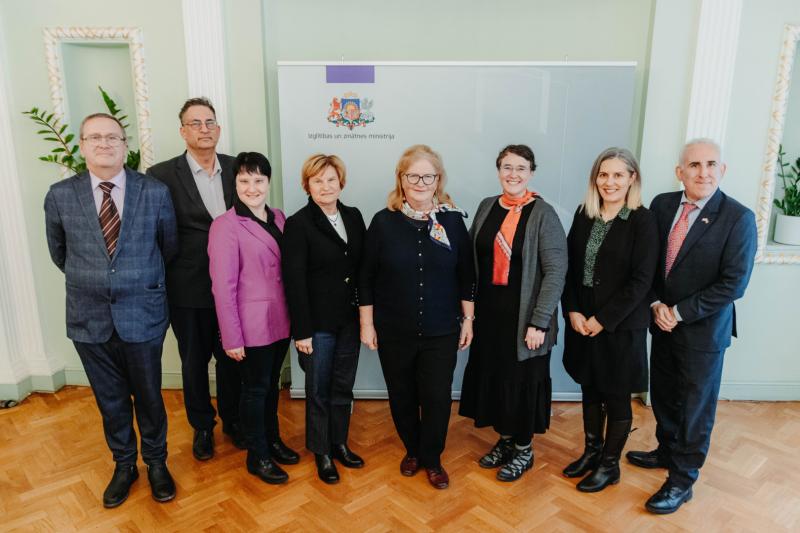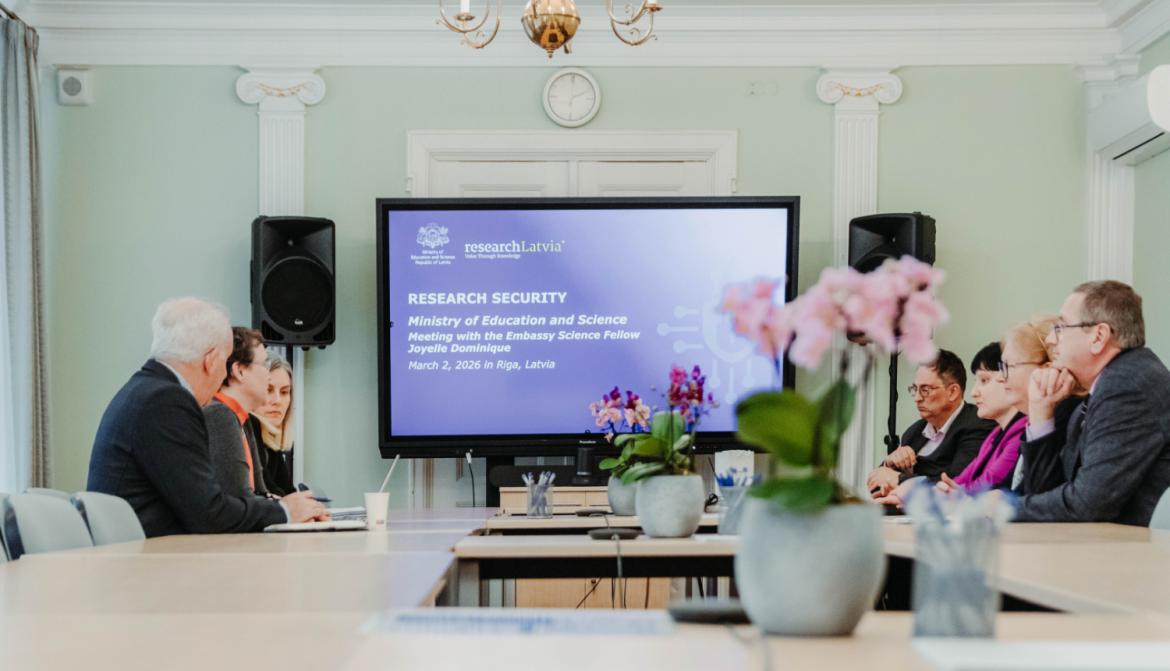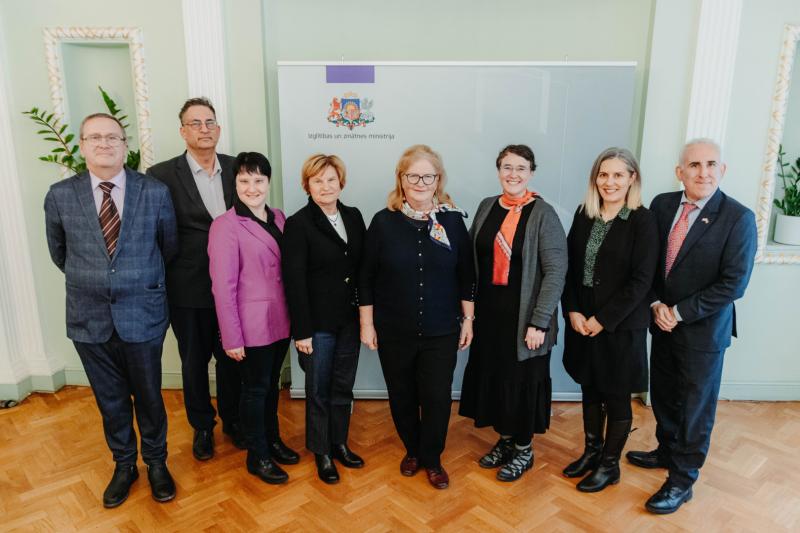
From March 2 to 6, US research security expert Joyelle Dominique is visiting Latvia to meet with Latvian science and innovation policymakers and research institutions, discussing current issues in research security, international collaboration, and associated risk management.
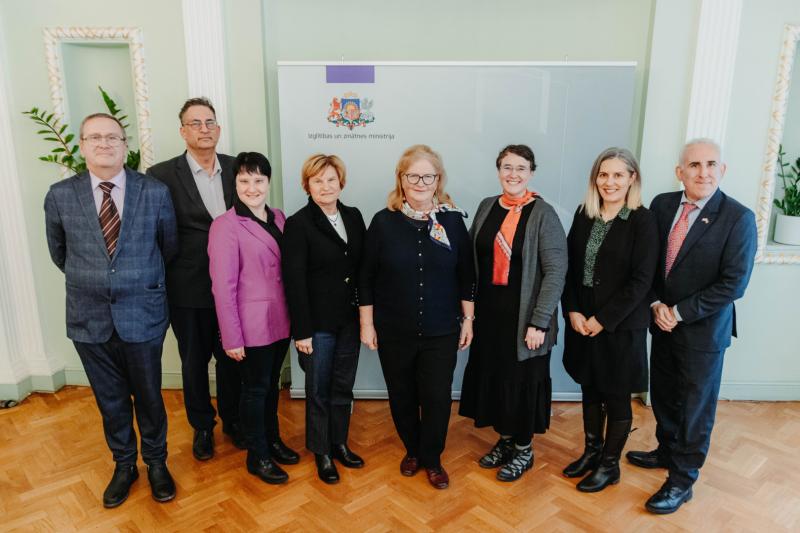
During the visit to the Ministry of Education and Science, the US research security expert met with specialists from the Higher Education, Science, and Innovation Department to discuss trends in research security policy development and international approaches to risk assessment. The discussions focused on national and economic security aspects in science, protection of critical and emerging technologies, and the importance of institutional responsibility and coordination when implementing research security principles.
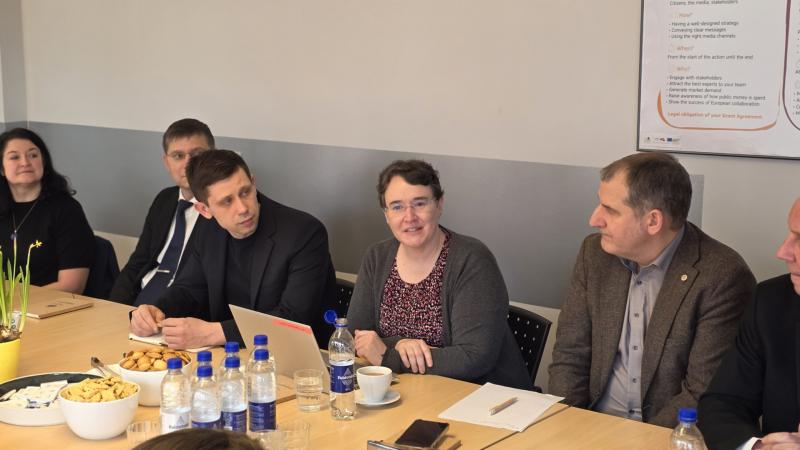
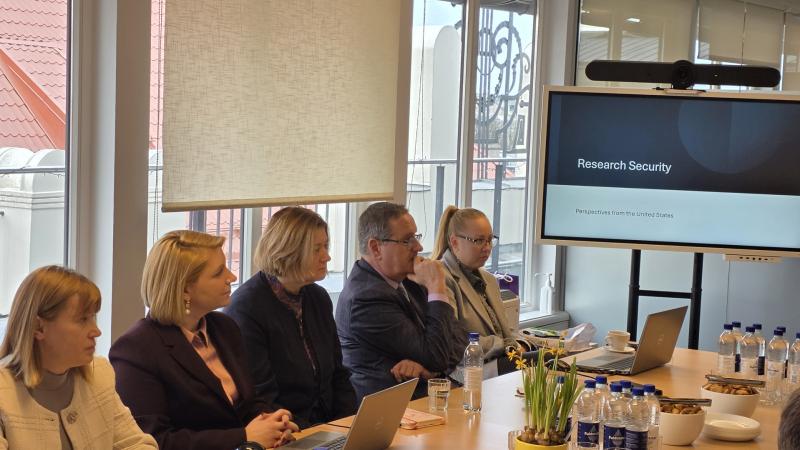
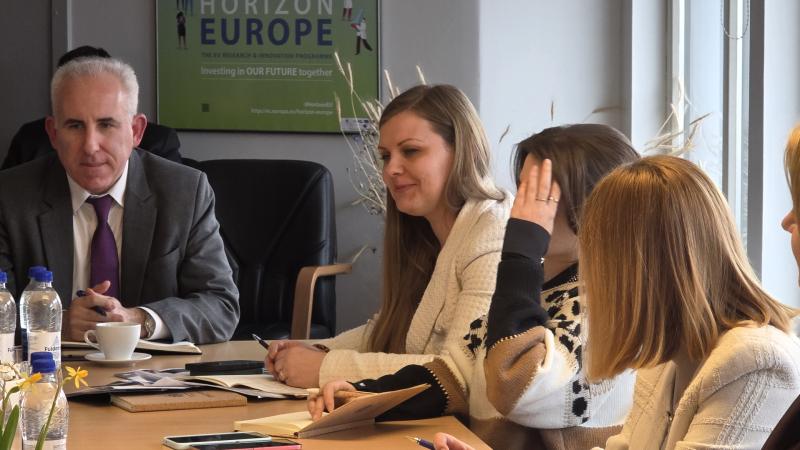
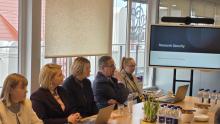
On March 4, a discussion was held at the Latvian Council of Science (LCS), attended by the US research security expert, representatives of the US Embassy in Latvia, and leading scientific institutions including the Institute of Food Safety, Animal Health and Environment “BIOR,” University of Latvia, Riga Technical University, the Institute of Organic Synthesis, the Institute of Electronics and Computer Science, and Riga Stradiņš University. Participants jointly discussed practical aspects of research security in the context of project funding, international collaboration, and technology transfer.
Based on the US expert’s experience, the main conclusion is that research security is not about restricting international collaboration, but rather about balanced risk management that simultaneously protects national and economic interests while preserving the principles of open science. Research security covers intellectual property protection, reputation and funding sustainability, as well as safeguarding critical and emerging technologies. Risks may arise at various stages of research—international collaborations, researcher mobility, joint publications, technology transfer, and funding acquisition—making situational awareness and careful evaluation of partners essential, including analysis of institutional ties, funding sources, and potential dual-use aspects.
Dr. Solvita Denisa-Liepniece also presented her research, Strengthening Research Security in Latvia and Estonia, emphasizing the importance of balanced risk management and cultivating a culture of responsibility in science. She highlighted that strengthening research security in the Baltic states requires not only formal regulations but also institutional capacity, researcher awareness, and the ability to critically assess partners’ motivations and affiliations, fostering a conscious and responsible research security culture.
The main emphasis in research security is on developing understanding and a culture of responsibility within institutions, clear collaboration conditions, and systematic risk analysis to ensure that scientific development occurs in a safe environment.
At the conclusion of the discussions, LCS experts presented the draft Research Security Management Guidelines, aimed at creating a structured framework for risk assessment and management while ensuring safe international collaboration and protecting national interests.