What has until now been considered pollution could become a valuable resource in the future. A Latvian start-up is developing a technology that will help reduce phosphorus entering the environment while at the same time providing farmers with the nutrients needed by the soil.
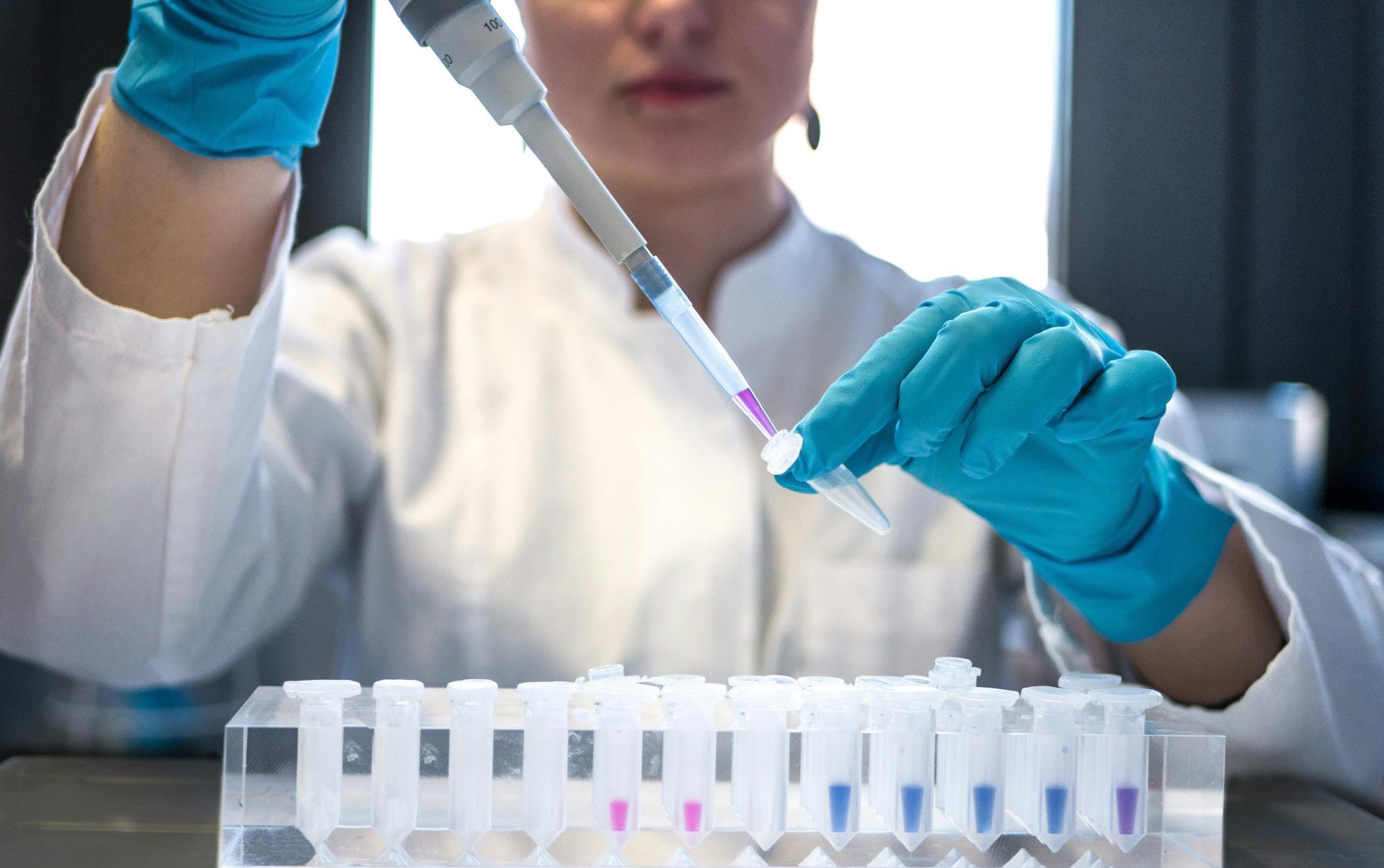
Several years ago, researchers at the University of Latvia (UL) began addressing a problem affecting wastewater treatment plants. Sewage and other wastewater are treated effectively at biological treatment plants; however, there is one element that still tends to remain in the treated water.
Annija Emersone, Head of P-Agro Minerals, stated: “Treatment plants have difficulty removing phosphorus from water. Phosphorus is a major pollutant in wastewater and, under regulations, must be removed. On the other hand, phosphorus is a highly valuable nutrient that is greatly needed in agriculture.”
To address this problem, a start-up was established and has succeeded in attracting half a million euros in funding from the European Innovation Council.
Emersone stated: “Once the phosphorus has been removed from the wastewater, we can return it to agricultural fields. That is what our company does. We are developing a large water filtration system that we can offer to water treatment plants.”
The foundations of the start-up were actually laid many, many years ago, when scientists studied a mineral known as coloured earth, or natural ochre.
Juris Kostjukovs, a leading expert at the University of Latvia, said: “Deposits of this kind were once available in Staicele, Latvia. It was used in paint production as a pigment for red paint. It has an interesting composition – its structure is formed by calcium oxide and iron.” By improving the properties of this raw material, which is available in sufficiently large quantities in Latvia, letonite was created.
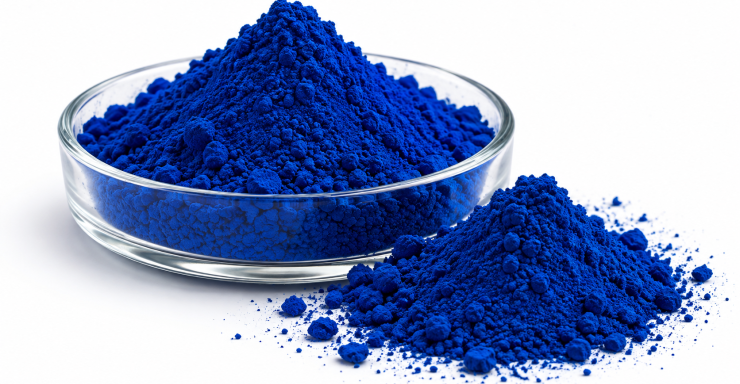
“Letonite is the name we have given to the mineral material. We have treated this mineral material, which is available in Latvia, in such a way that it acquires the unique ability to bind phosphorus.”
Letonite absorbs phosphorus, after which farmers can spread it on fields, where the small stones will gradually dissolve and release phosphorus into the soil, thereby enriching it. It also helps neutralise the pH level. The business model is based on the fact that European requirements strictly mandate the removal of phosphorus from wastewater; otherwise, companies will have to pay fines.
Solvita Kostjukova, Head of Technology Development at P-Agro Minerals, explained: “A solution had to be found. Representatives from the industry, various scientists, and those of us involved in technology transfer and commercialisation came together and jointly searched for a solution. The aim was also to develop the technology in such a way that it could be easily, conveniently and inexpensively applied at small and medium-sized wastewater treatment plants, which are unable to make large investments.”
The funding received will enable the development of letonite filter technology and the conducting of research on agricultural land. Production of the equipment, which will be able to be added to existing wastewater treatment plants, is planned to begin within three years.