Research creates knowledge that forms the foundation for the development of society, economy, and culture. It helps us understand the processes that affect our lives and promotes informed decisions at both individual and national levels. Trust in research is a prerequisite for knowledge to become a shared value of society. Every year on November 10, World Science Day for Peace and Development is observed, established by UNESCO to emphasize the importance of science for the sustainability of society.
Dace Melbārde, Minister of Education and Science, emphasizes: "Today, as we mark World Science Day, I wholeheartedly congratulate Latvia's scientific community! Through persistent curiosity, creativity, and selfless work, our researchers demonstrate that even in a small country, ideas with global impact can emerge – those that strengthen security, health, and sustainability. Knowledge creation is a collaborative process in which researchers and society participate together, building trust and strengthening a knowledge society based on cooperation.
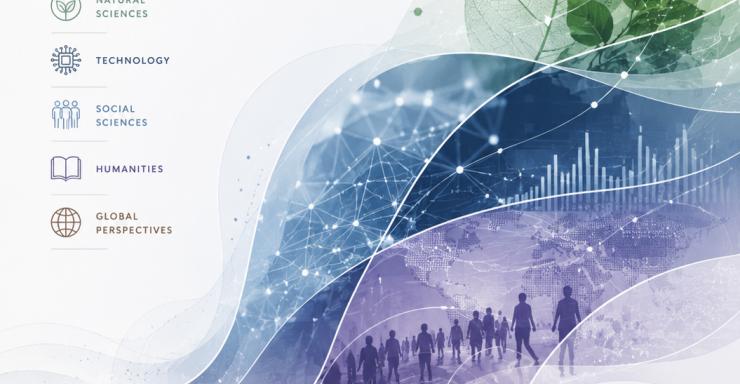
The work of Latvian researchers and scientific institutions covers a wide range of fields that reveal the diversity of science and its importance in shaping society's knowledge and well-being:
- Biomedicine and biotechnology – development of new vaccines and bacteriophage therapies that address antibiotic resistance and lay the foundation for precision medicine.
- Biomaterials and photonics – next-generation implants, 3D-printed tissues, and world-record data transmission technologies that demonstrate Latvian researchers' ability to create innovations with practical applications.
- Sustainable innovations – environmentally friendly road materials, aquaculture technologies, and sustainable healthcare models that promote green transition and societal well-being.
- Space sector – astronomy and atmospheric observations, satellite data utilization, and development of new technologies that contribute to European space programs and a safer digital environment.
- Quantum technologies – Latvian researchers develop approximately 10% of the world's known algorithms, laying the groundwork for more secure communication and powerful data processing in the future.
- Social sciences and humanities – research on civic participation, preservation of cultural heritage, and digital access to knowledge, strengthening evidence-based thinking and society's ability to make informed decisions.
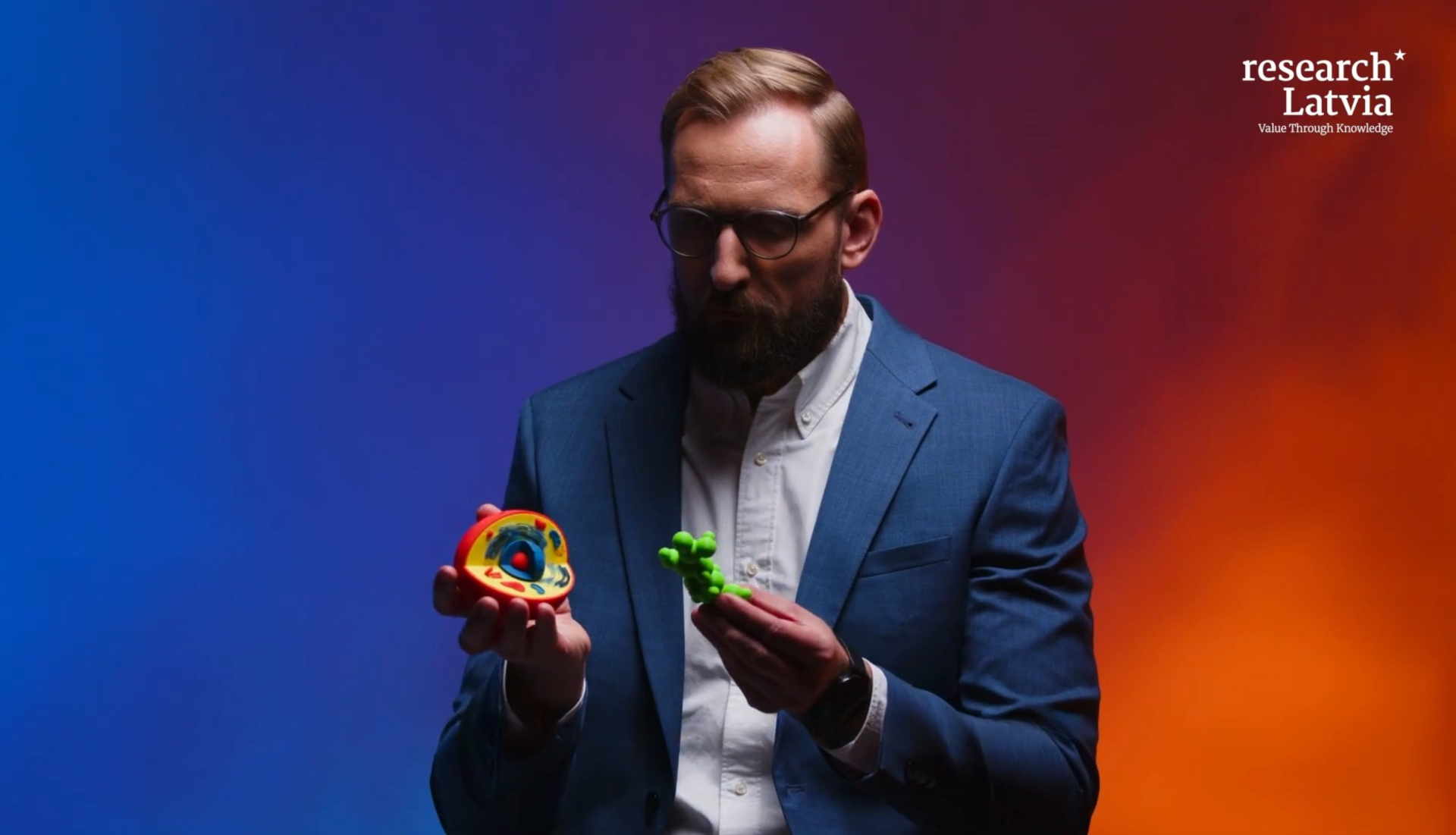
Purposeful science communication builds trust between researchers and society, making scientific knowledge understandable and accessible to everyone. It strengthens dialogue about the importance of science, promotes public participation, and helps recognize the impact of research on everyday life. The portal researchLatvia unites Latvia's scientific institutions and researchers in a shared information space where anyone interested can explore current research, discoveries, and personalities.
According to the objectives set by the United Nations Educational, Scientific and Cultural Organization (UNESCO), World Science Day for Peace and Development calls to:
- Strengthen public understanding of the importance of science in building a peaceful and sustainable society;
- Promote national and international cooperation by sharing knowledge and strengthening a common research area;
- Renew the commitment to use science for the benefit of society – both nationally and internationally;
- Draw attention to the challenges facing science;
- Promote support for research activities.
Open and understandable communication makes science a shared value and foundation for trust, strengthening the knowledge society.