Using depression assessment methods designed for adults on adolescents can create a misleading impression of how many young people are at increased risk of depression. To more accurately identify adolescents who require an in-depth assessment, researchers at Rīga Stradiņš University (RSU) and Riga Technical University (RTU) have developed a new set of tools for assessing young people's mental health. The tools also include separate questions about suicide risk to ensure that significant warning signs do not go unnoticed in the overall assessment.

Researchers will present these and other results of the State Research Programme “Public Health” project at the final conference taking place at RSU on November 25, “Assessment of Adolescent Mental Health – From Research Results to Practical Solutions”, where discussions will also focus on the potential use of the new set of tools in healthcare, as well as the economic burden of adolescent mental health disorders in Latvia and the potential benefits of more accurate and timely identification of these disorders.
Participation in the event is free of charge, with prior registration: Registration for the VPP CAAT Project Final Conference
During adolescence, mental health difficulties may manifest differently than in adults, so applying the same assessment criteria to all age groups does not always provide an accurate picture. More than 2,000 young people participated in the testing of the set of mental health assessment tools developed by researchers specifically for adolescents – both from the general population and those with clinically diagnosed depression or other mental health disorders.
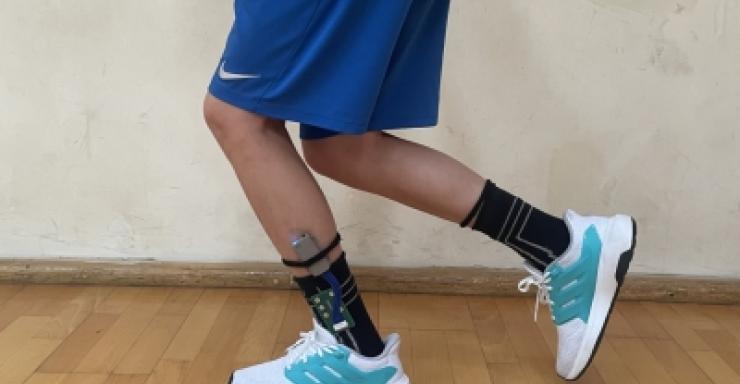
The study results indicate that the developed set of tools can help specialists assess adolescents' mental health more comprehensively and identify potential risk factors, including symptoms of depression, in a timely manner. It is not intended for making a diagnosis, but rather as additional support in assessing the need for more in-depth examinations. The CAAT project has also developed a computerised device that combines psychological test results with measurements of additional parameters.
An important feature of the new approach is the separate assessment of suicide risk indicators. Even if a young person's overall depression symptom assessment score is not high, responses indicating possible suicidal thoughts must not go unnoticed. The timely identification of such warning signs is particularly important in suicide prevention, where it is essential not only to recognise the risk but also to provide appropriate assistance afterwards.
The study results could also help improve the organisation of adolescent mental healthcare. More accurate initial assessment would enable specialists to make better-informed decisions about which young people require more in-depth examination and more intensive treatment, and for whom another form of support would be more appropriate. As part of the project, researchers prepared proposals for updating clinical guidelines, algorithms and patient care pathways, as well as analysed the potential economic benefits and costs.
The project's final conference will take place on November 25, 2026, from 12:00 to 15:30 at the RSU Pharmaceutical Education and Research Centre, 21 Konsula Street, Riga.
More information about the project: https://www.rsu.lv/projekts/jaunas-datorizetas-novertesanas-metodes-izstrade-pusaudzu-psihiskas-veselibas-iznakumu
The study was carried out as part of the State Research Programme “Public Health” project “Development of a New Computerised Assessment Method for Measuring and Monitoring Adolescent Mental Health Outcomes in the Post-COVID Pandemic Context” (No. VPP-VM-Sabiedrības_Veselība-2023/6-0002), funded by the Ministry of Health and administered by the Latvian Council of Science. The project is implemented by Rīga Stradiņš University in cooperation with Riga Technical University and is led by Associate Professor Dr. med. Ainārs Stepens.