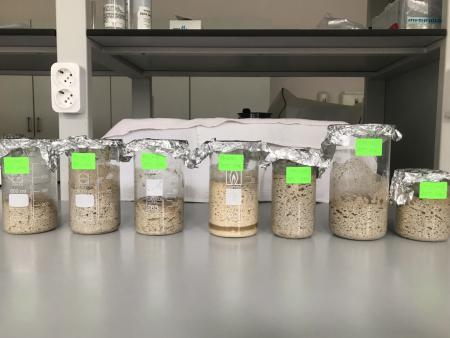
The unique taste and aroma of traditional Latvian bread are no coincidence—their roots lie in sourdough. Sourdough fermentation is one of the most important stages in the bread-making process, determining the bread’s character, quality, and identity.
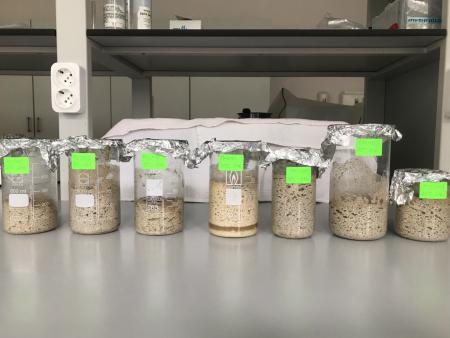
Sourdough Fermentation – the Foundation of Bread Production
Sourdough fermentation is one of the most significant stages in bread production. It is driven by lactic acid bacteria and yeasts, which transform the substances present in flour during fermentation. The activity of these microorganisms gives each sourdough—and consequently each bread—a unique character in terms of taste, aroma, and structure. To initiate sourdough fermentation, it is possible to use microorganism cultures isolated from sourdoughs, ensuring process stability and consistent bread production.
Regional Traditions and Flour Quality
The properties of sourdough are influenced by regional bread-baking traditions and the quality of the flour used. In Latvia, the use of sourdough fermentation is mainly associated with rye bread production, which stands out for its uniqueness due to the use of scalded flour in the bread-making process. These technological characteristics also determine the diversity of lactic acid bacteria and yeasts present in the sourdoughs, making them distinct from sourdoughs used in other regions. Although rye, barley, and even oat sourdoughs in Latvia have been studied under laboratory conditions, the sourdoughs used in actual production have not yet been sufficiently researched.
Sourdough Renewal and Microorganism Inheritance
Traditional Latvian rye bread production uses rye sourdough, which is preserved and refreshed daily. A portion of the previous sourdough or dough is transferred to the next fermentation cycle, ensuring the inheritance of microorganisms. Continuous renewal of the sourdough under specific conditions allows stable microbial associations to develop, preserving the characteristic properties of the sourdough over long periods. These associations determine the course of dough fermentation and significantly influence the bread’s taste, aroma, crumb porosity, and structure.
The Need to Study Sourdoughs Used in Production
Although the microbial community in mature sourdough can be relatively stable, changes in flour quality or fermentation conditions can disrupt the balance of lactic acid bacteria and yeasts and alter their composition. Therefore, it is important to study the lactic acid bacteria, yeasts, and their associations in sourdoughs used in bread production in Latvia. Isolating and characterizing microorganisms makes it possible to develop solutions for sourdough renewal and to create new ones while preserving the characteristics typical of Latvian bread-baking traditions.
About the Research
The research is being conducted at the Institute of Food Technology of the Latvia University of Life Sciences and Technologies. Bread producers will be involved in the project activities, promoting public and entrepreneurial awareness and engagement in the use of innovative technologies.
The project “Development of Lactic Acid Bacteria and Yeast Associations to Ensure Sourdough Quality in the Bread Industry” (1.1.1.9/LZP/2/25/203) is being implemented in accordance with the European Union Cohesion Policy Programme for 2021–2027 under Specific Objective 1.1.1 “Strengthening research and innovation capacity and the introduction of advanced technologies in the overall R&D system”, Measure 1.1.1.9 “Postdoctoral Research”.