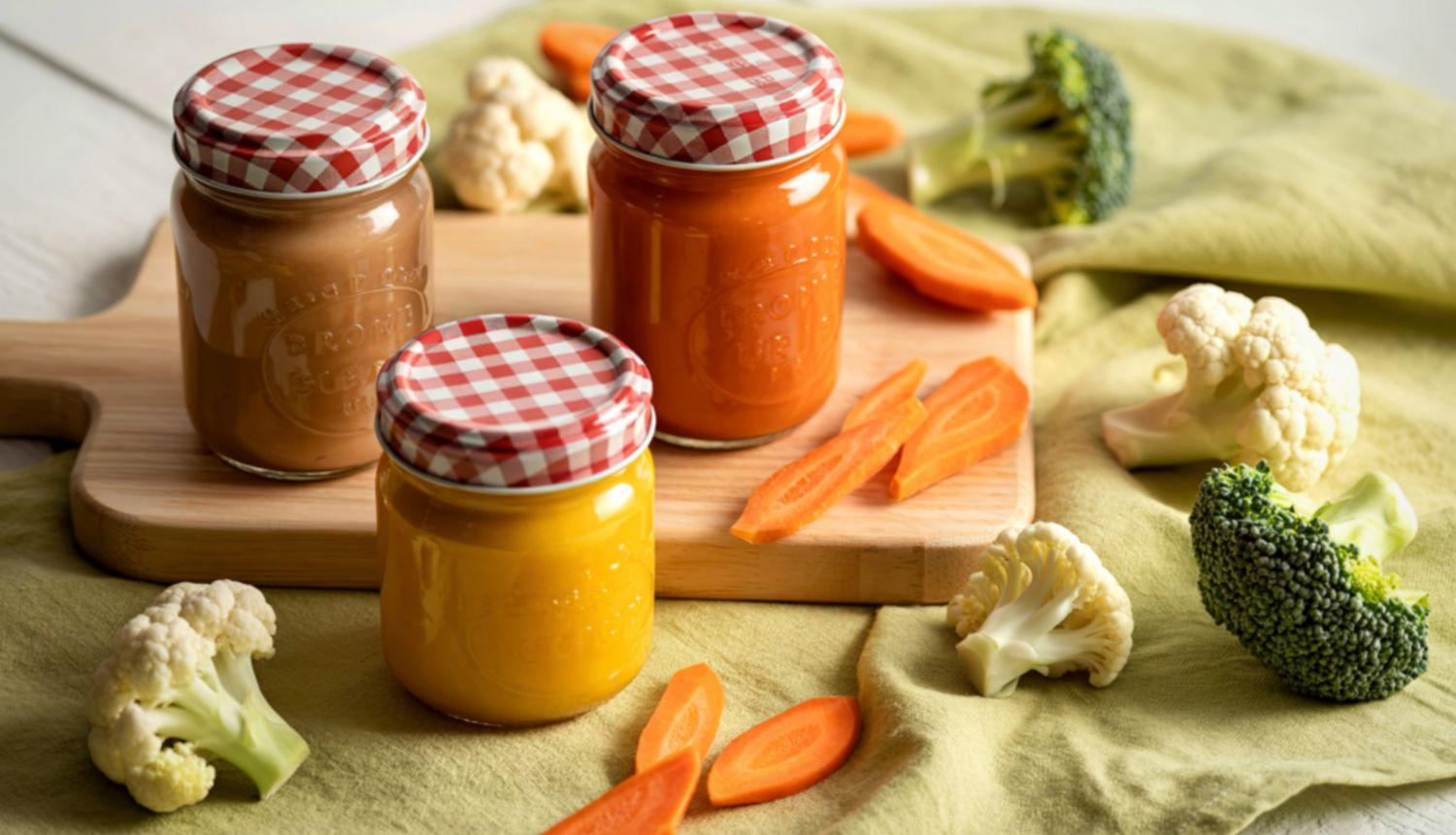
Although both national and international nutrition guidelines are available, everyday decisions about feeding a child are often based not on science but on relatives' experiences, advice from social media, or manufacturers' advertising. This creates a situation in which new parents find it challenging to navigate contradictory information and to understand what is truly appropriate for their child.
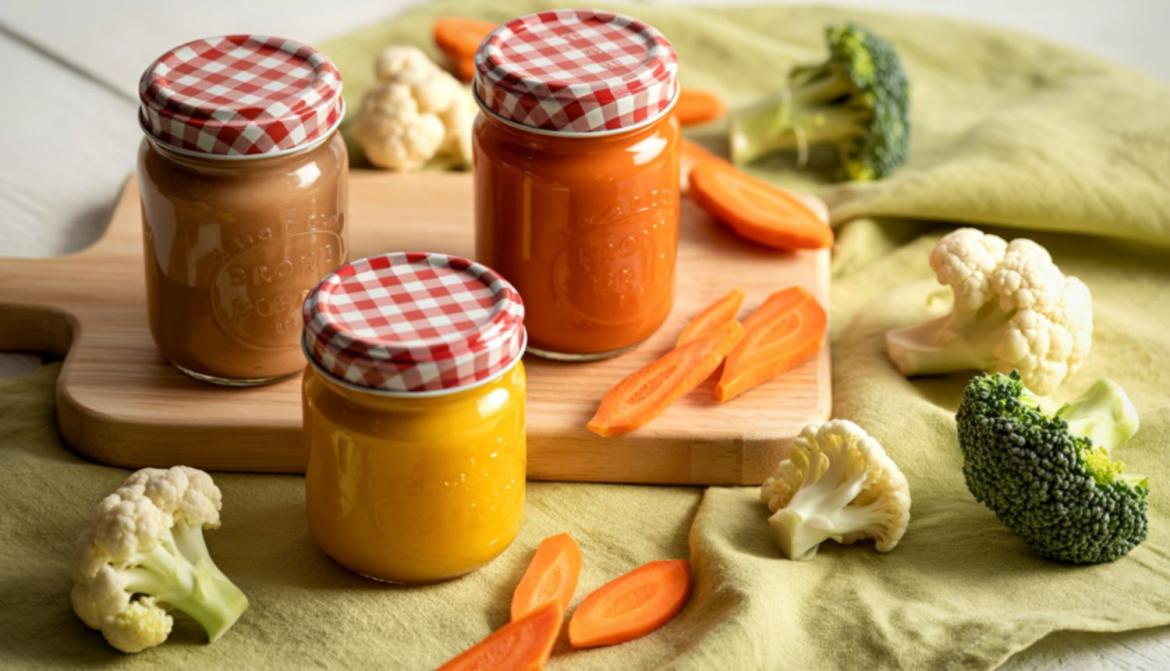
To assess the quality of infant and young child nutrition and to develop solutions that help new parents better navigate child nutrition issues, a project entitled "Assessment of Early Childhood Nutrition Quality and the Development of Tailored Tools for the Implementation of Nutrition Guidelines" has been launched at the Latvia University of Life Sciences and Technologies (LBTU). This research project continues previously conducted scientific work, the results of which served as the basis for developing national nutrition recommendations for women during the breastfeeding period.
Do infant complementary feeding practices in Latvia ensure a sufficient intake of iodine and other nutrients?
When the time comes to introduce complementary foods, parents choose different approaches; some begin with puréed foods, others prefer baby-led weaning or so-called "pedagogical feeding." Regardless of the feeding method selected, the most critical factor is ensuring that the child receives the necessary amount of energy and nutrients. Therefore, within the framework of the research project, complementary feeding practices in Latvia will be identified and evaluated, with a focus on potential risks of nutrient deficiencies. Based on the results, targeted educational materials will be developed for new families, healthcare professionals, and other specialists to improve knowledge of child feeding issues, as well as recommendations for nutrition policy-makers to update national nutrition guidelines for children.
An Objective View of Industrially Produced Baby Food
Industrially produced baby food is a frequent choice for many parents, and store shelves offer an extensive range of products, purées, cereals, snacks, juices, and others. However, the nutritional value of these products varies greatly. Some contain too little energy or protein, while others have an excessively high content of naturally occurring sugars. To help parents navigate the "jungle" of baby food products, a digital tool will be developed within the research project that allows a quick, objective assessment of whether a specific product complies with or does not comply with the World Health Organisation's recommendations for baby food. This will enable parents to make informed decisions about feeding their children and help them avoid misleading marketing claims.
Tailored Tools for the Implementation of Nutrition Guidelines
The project results will not only expand knowledge about early childhood nutrition in Latvia but will also serve as a basis for the development of practical, tailored tools. Resources will be created on healthy nutrition during breastfeeding, breast milk composition, principles of complementary feeding, and other essential topics. These materials will also be accessible to people with functional impairments, ensuring equal access to information. In addition, an open-access online nutrition database prototype will be developed and validated, helping users understand how well their dietary habits align with guidelines and providing personalised recommendations to improve nutrition. The developed database prototype will be the first step toward a national open-access online nutrition database that can be used not only by researchers and healthcare professionals but also by every resident of Latvia.
During the project, several scientific publications will be prepared, and various public outreach activities will be implemented, including lectures, media articles, and more. All developed resources will be available to a broad audience: parents, healthcare professionals, food technologists, and nutrition policy-makers, and will be published on the platform pirmaisuzturs.lv, as well as on the websites of LBTU and its cooperation partners.
This research application is implemented within the European Union Cohesion Policy Programme for 2021–2027, specific objective 1.1.1 "Strengthening research and innovation capacity and the introduction of advanced technologies in the overall R&D system," measure 1.1.1.9 "Postdoctoral Research," research application No. 1.1.1.9/LZP/2/25/211 "Assessment of Early Childhood Nutrition Quality and the Development of Tailored Tools for the Implementation of Nutrition Guidelines."