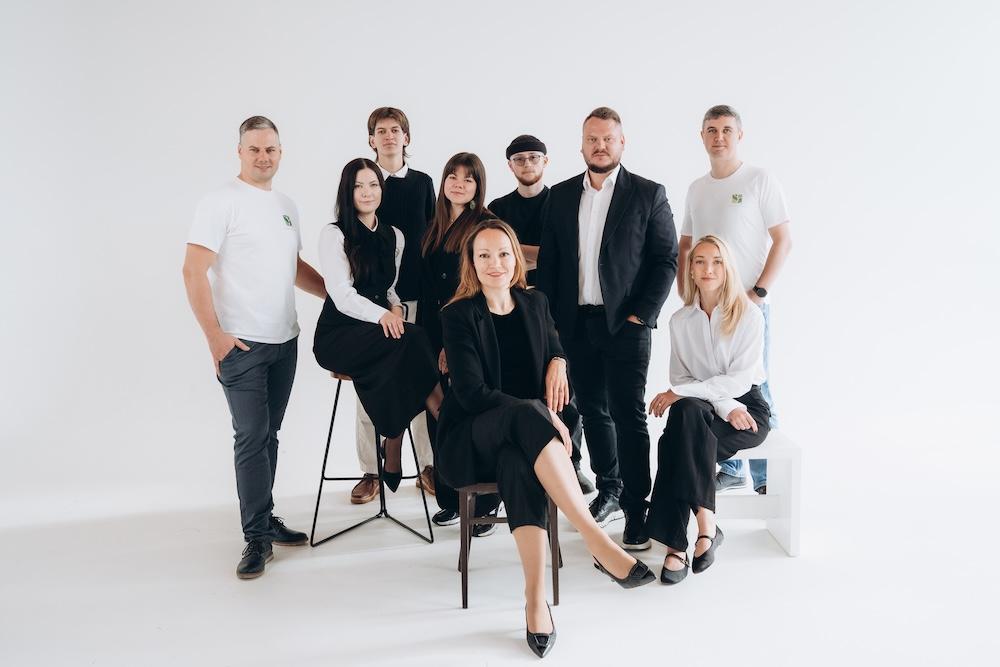
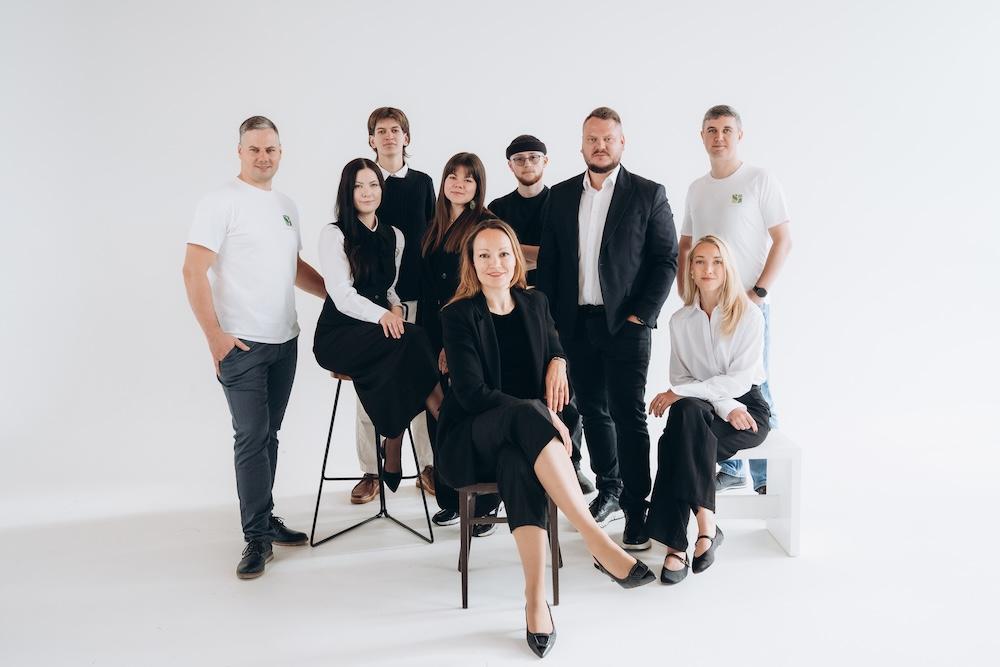
The Latvian biotechnology startup “Alternative Plants” has received European funding and become a partner in two projects addressing pressing challenges in medicine.
One of the supported projects aims to use bioengineering solutions based on renewable resources to prevent antibiotic resistance in bone tissue applications (RESCUE).
“Antimicrobial resistance (AMR) is a global health crisis that causes millions of deaths each year. It is projected to become the leading cause of death by 2050 if no preventive measures are taken. Bone infections, particularly osteomyelitis and implant‑associated infections, significantly increase this burden, especially due to multidrug‑resistant pathogens that complicate treatment. Antibiotic‑based therapies for bone infections are often ineffective because of biofilm formation, side effects, and rising bacterial resistance. Therefore, the RESCUE project aims to develop innovative injectable nanocomposite hydrogels with antimicrobial and osteogenic properties, thereby reducing the amount of antibiotics needed,” explains Mārtiņš Borodušķis, co‑founder and COO of Alternative Plants.
The project’s lead partner is Riga Technical University (RTU). Total project costs: €656,000. European Regional Development Fund (ERDF) contribution: €509,700. State budget funding: €89,900. Private co‑funding: €56,400. The project is planned to be completed by 30 September 2028.
The second approved Alternative Plants project is being implemented in cooperation with the University of Latvia as the lead partner and the Max Planck Institute in Germany. It focuses on the treatment of skin and soft‑tissue infections. The project aims to develop a sustainable and cost‑effective multimodal approach for producing antimicrobial peptides and levan. Using the microorganism Zymomonas mobilis, naturally derived substances with antibacterial properties will be obtained. These substances — antimicrobial peptides and levan — could in the future be used for treating skin and soft‑tissue infections, offering an alternative to existing therapies.
Total project costs: €656,000. ERDF funding: €510,000. State budget funding: €89,900. Private co‑funding: €56,500.
The Latvian biotechnology company Alternative Plants specializes in the development and production of environmentally friendly active cosmetic ingredients using plant cell cultivation technology, microbiological fermentation methods, and biorefining technologies. The uniqueness of the company’s products lies in their scientific foundation. The company also conducts safety and functionality assessments, including testing in human cell‑culture systems and dermatological evaluations in cooperation with partners.