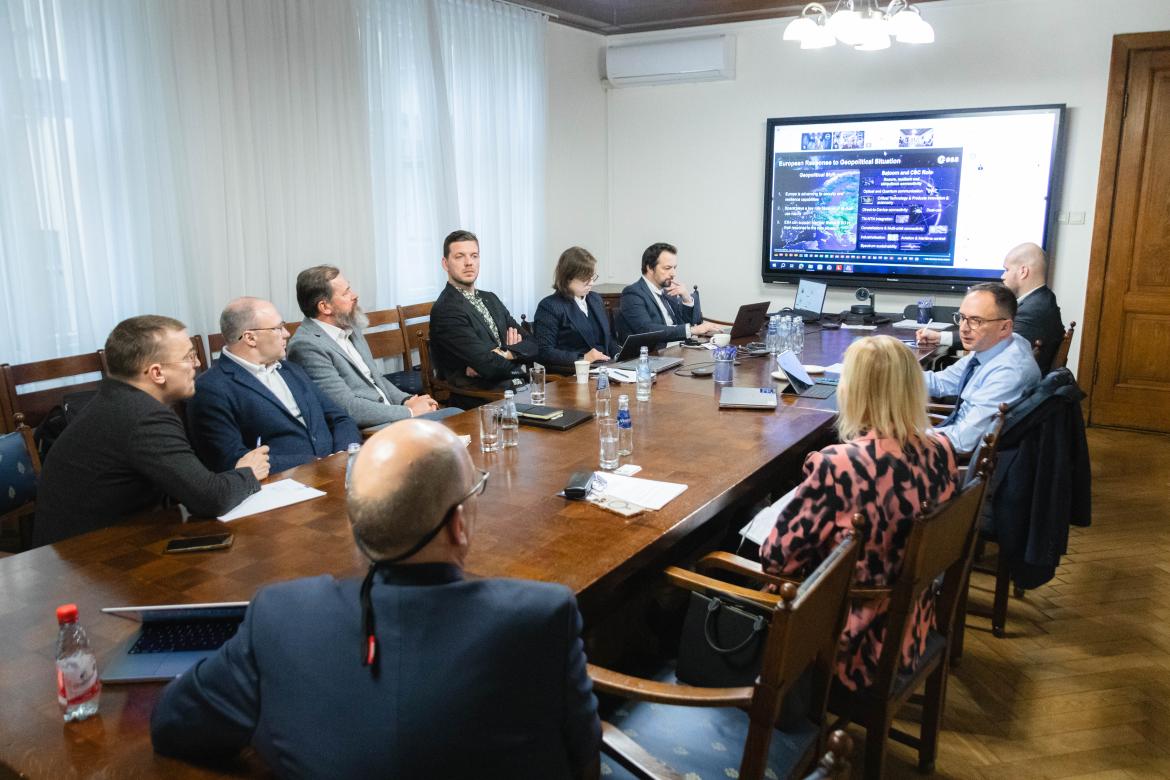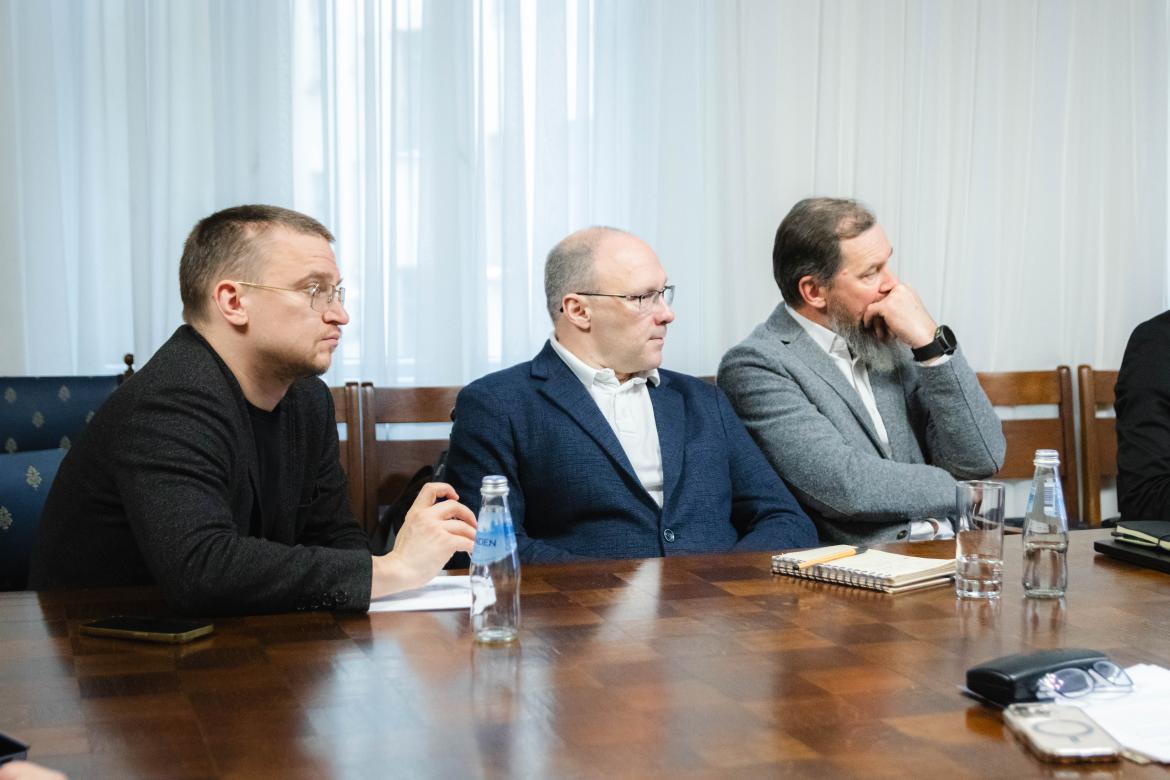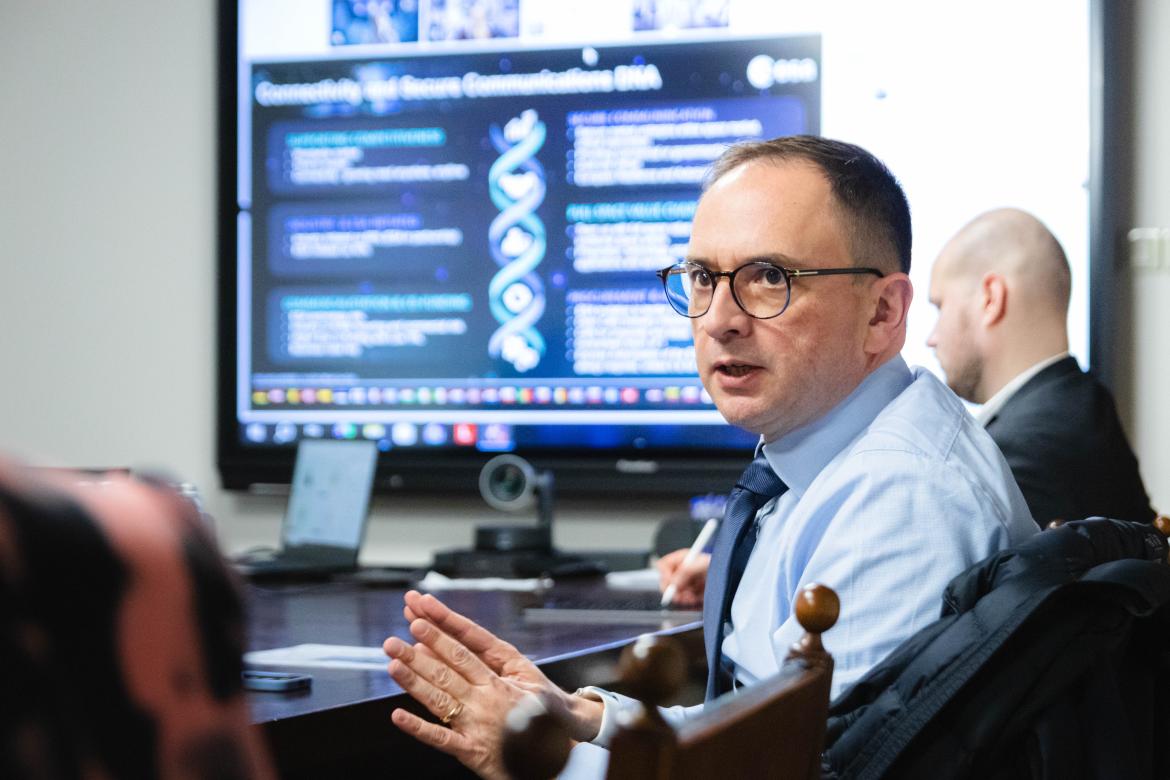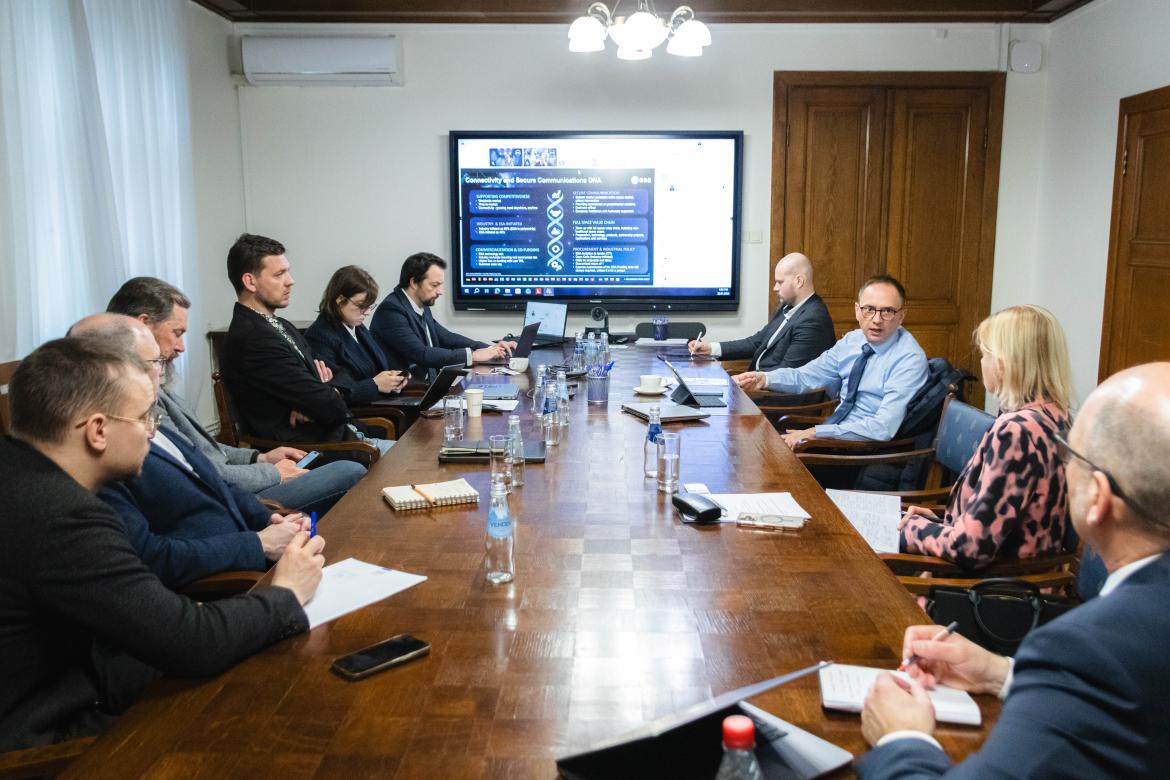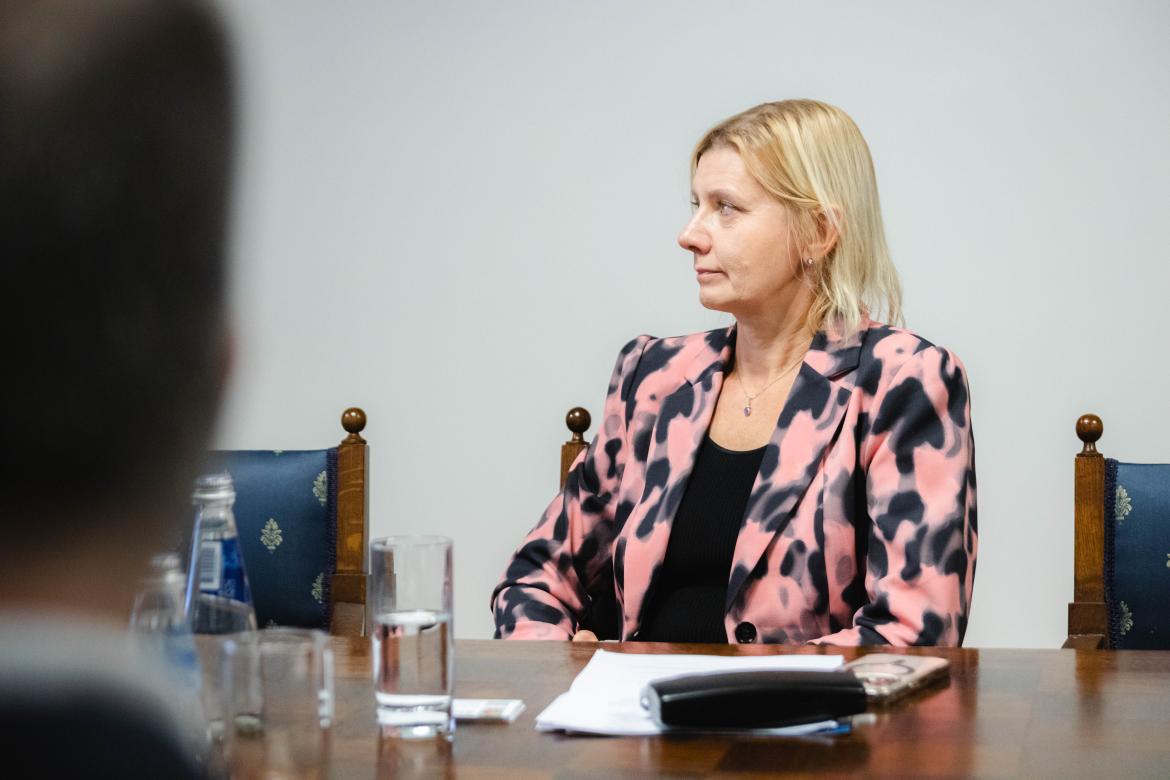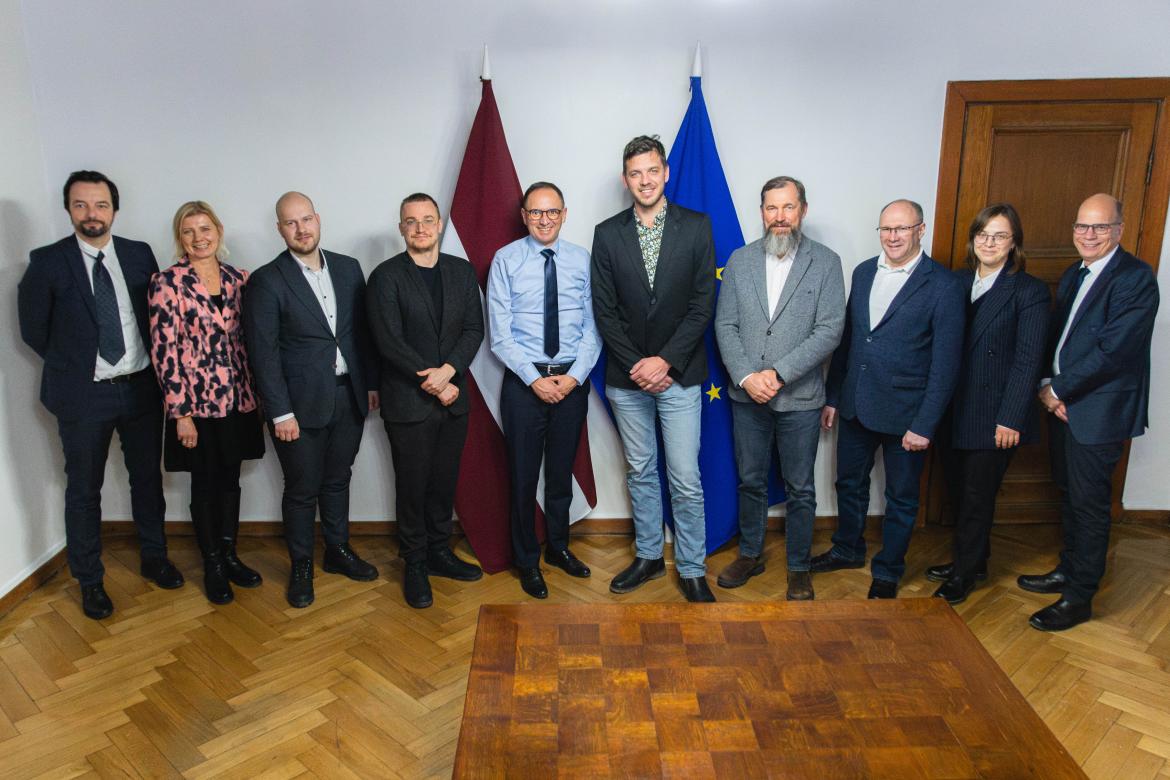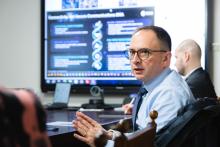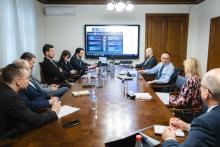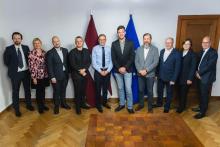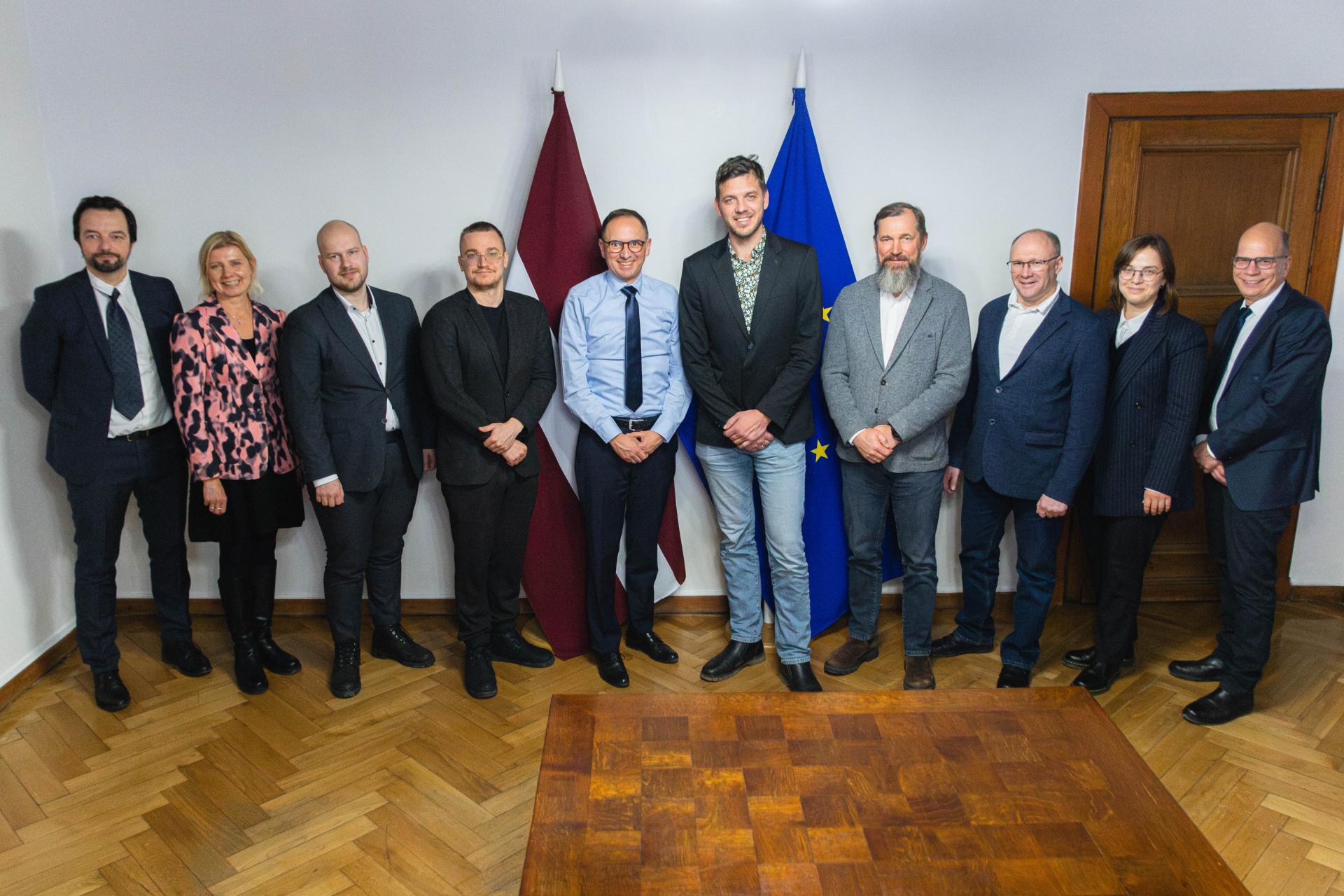
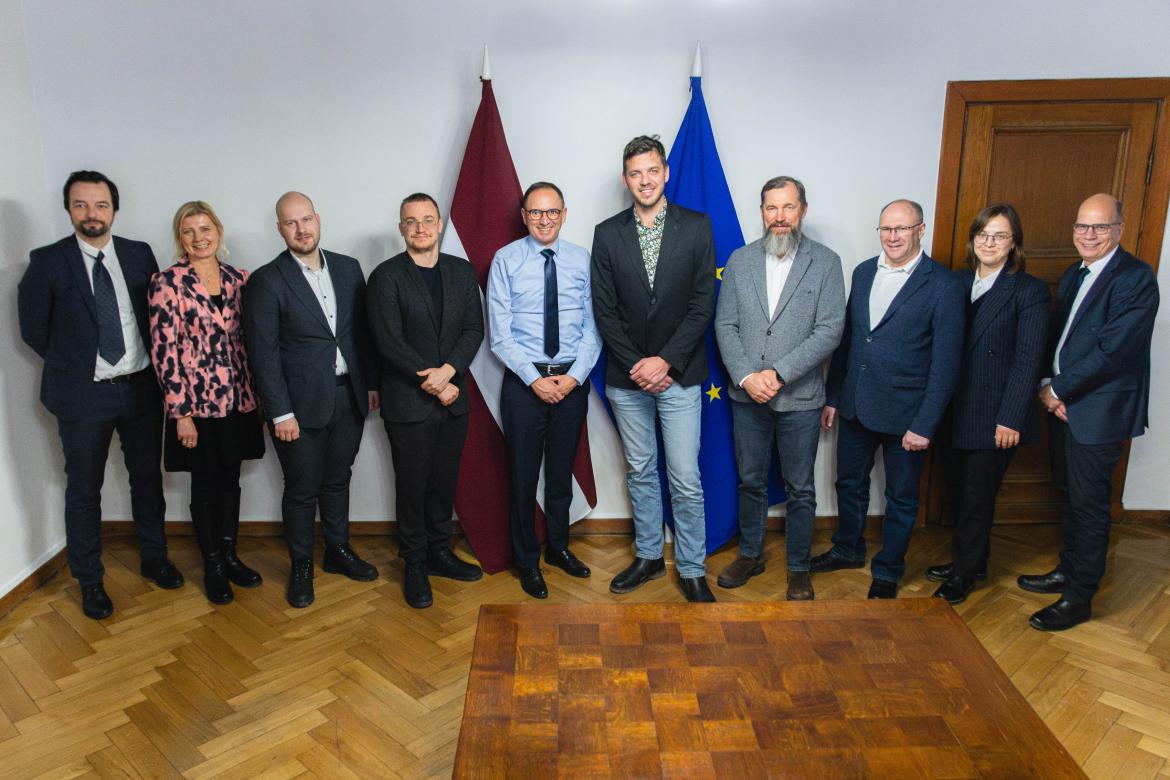
On Wednesday, 22 January, during a working visit to Riga, the Director of the Secure Communications and Connectivity (CSC) and the Head of European Centre for Space Applications and Telecommunications (ECSAT) of the European Space Agency (ESA), Laurent Jaffart, met with representatives of ministries, ESA’s industrial coordinator in Latvia, and six leading Latvian technology companies.
Laurent Jaffart met with representatives of the Ministry of Education and Science, the Ministry of Defence, and the Ministry of Transport to discuss the development and priorities of Latvia’s space policy, current activities of ESA’s CSC Directorate, Latvia’s involvement in the ESA Secure Connectivity element, as well as opportunities for Latvian companies to participate in other CSC-managed projects, including the IRIS² ecosystem.
"Aligning national capabilities with European and ESA initiatives allows us to build stronger, more integrated solutions, including dual-use technologies serving both civilian and security needs,” emphasized Laurent Jaffart. “In today’s geopolitical environment, strengthening Europe’s resilience through secure communications is more important than ever, a reality that is especially tangible here in Latvia.”
The ESA representative also met with six leading high-technology companies: QuBalt, Eventech, LMT, Viratec, Axon Cable, and Emy Solutions. The companies presented their expertise in satellite communications and network solutions, high-precision timing and measurement technologies, secure communications and data transmission, microelectronics and space hardware, 5G/6G integration with satellite systems, as well as applications for government, security, and critical infrastructure sectors.
“Latvia views satellite communications and secure connectivity as a strategically important field both from a national and a European perspective,” highlighted Kaspars Karolis, Head of Latvia’s ESA Delegation. “The visit of the CSC Director is essential to enable our companies to integrate into Europe’s next-generation communication systems and to identify concrete opportunities for cooperation with ESA.”
Latvia’s interest in the visit of the Head of the CSC Directorate is closely linked to the country’s strategic priorities. Secure satellite communication systems are essential for national security, public administration, and civil protection. Latvia’s industrial strengths lie in optical technologies, photonics, timing, communications, and microelectronics—fields with high added value for European space projects. IRIS² is the European Union’s upcoming satellite communications constellation, and Latvia seeks to actively participate in its development. CSC is one of ESA’s fastest-growing directorates, and its projects align closely with Latvia’s technological development priorities.
Latvia has been an ESA Associate Member State since 2020, and Latvia’s contribution to ESA this year amounts to EUR 6 million. Space policy development in Latvia falls under the responsibility of the Ministry of Education and Science. More information on developments in the space sector and Latvia’s cooperation with ESA is available on the official website: www.latviaspace.gov.lv