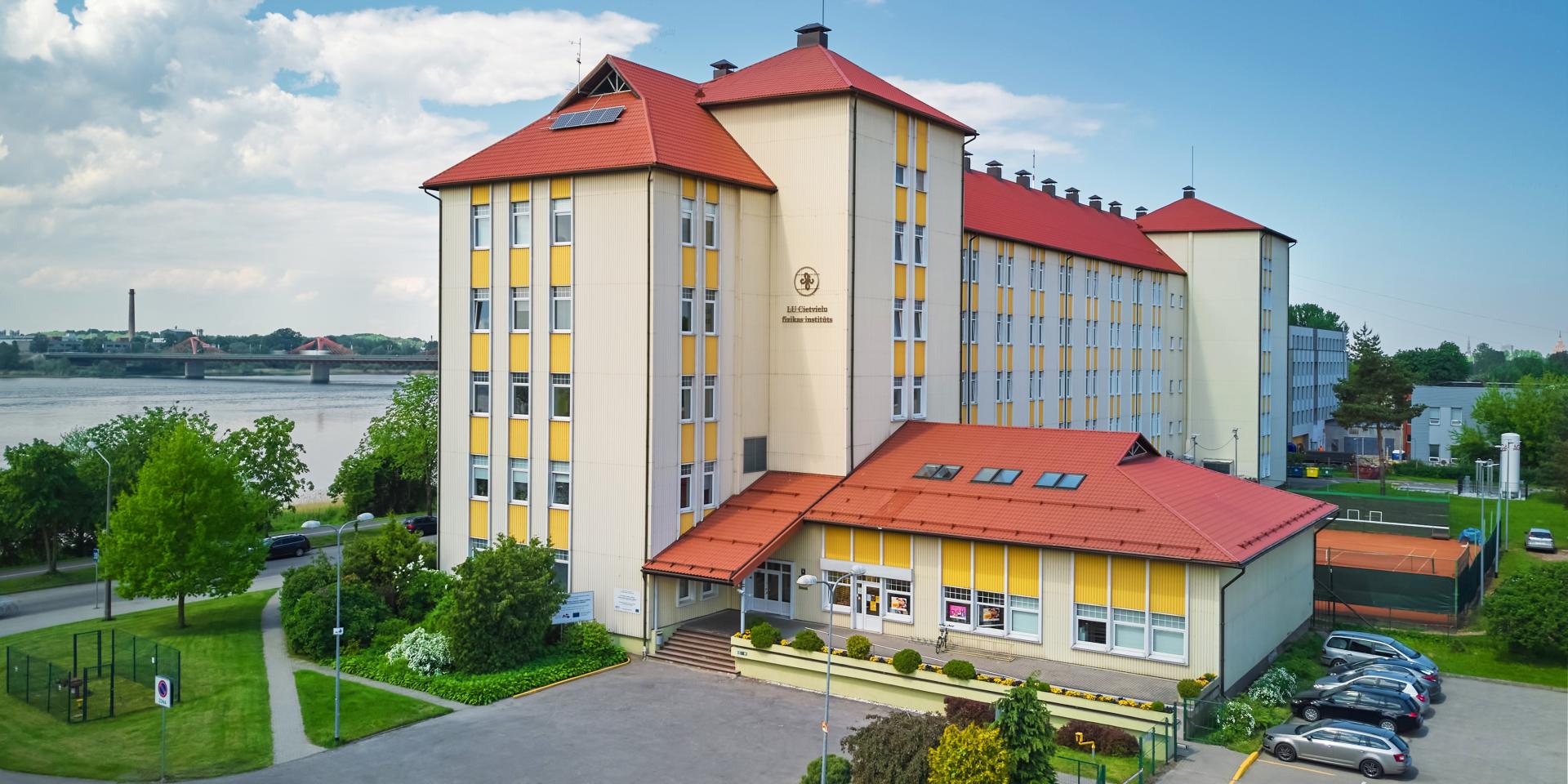
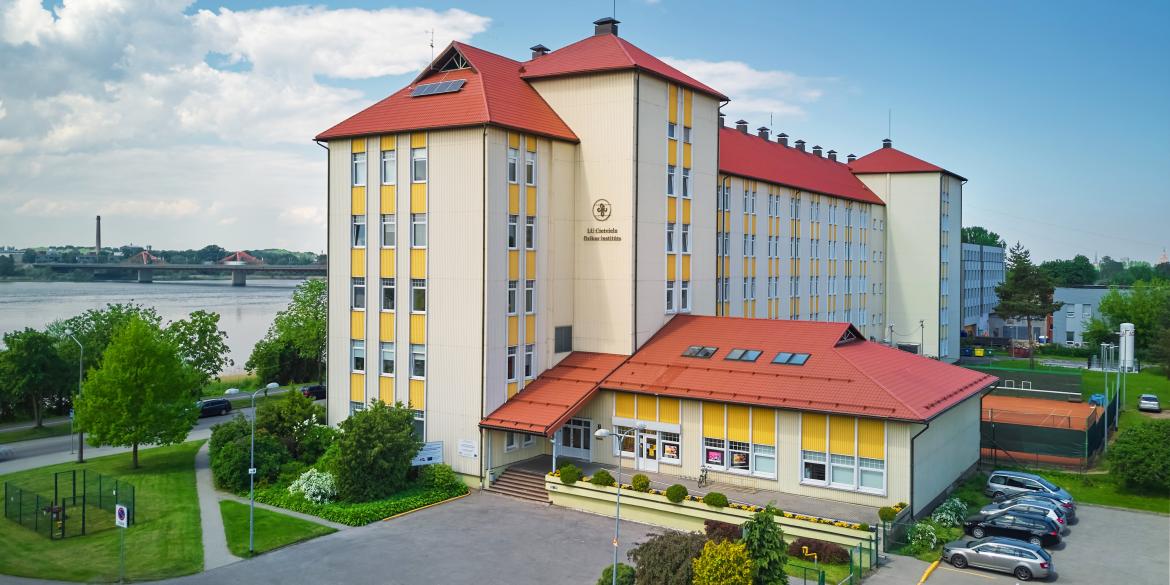
The Institute of Solid State Physics, University of Latvia (ISSP UL) is an internationally recognized leader in materials science and interdisciplinary research fields.
For 48 years, ISSP UL has been researching various materials, films, and related innovations, as well as educating future generations of scientists, and collaborating with industry. The aim of these activities is to create a dynamic environment for addressing global societal and technological challenges, while strengthening the role of Latvian and European science in the world.
The institute's primary research fields are divided into three areas: materials for photonics devices; materials for energy storage and generation; and microfluidics and biomedical technologies.
The institute employs around 300 staff members, 100 of whom hold doctoral degrees. A significant portion of the workforce consists of students from Latvia's leading universities, who are gaining excellent experience to jumpstart their scientific careers and taking advantage of research opportunities to develop their bachelor's, master's, and doctoral theses.
The institute collaborates with more than 100 scientific institutions – including regional European partners as well as world-class leaders – implementing over 100 research projects annually. Around one-third of these projects are carried out in cooperation with industry, creating real impact by bridging science and business.
To promote innovation and technology transfer, ISSP UL has purposefully improved its internal processes and support system, effectively smoothing scientists’ path from laboratory discovery to commercialization or industrial partnership. A reduced administrative burden allows researchers to focus on their primary work. Clear and predictable conditions not only accelerate ideas getting to the market but also create a reliable and open environment for employees – excellent ground for creating high-value technologies.
Openness toward academic and business partners also permeates the ISSP UL's infrastructure management. The institute houses several pieces of equipment that are unique in the Baltic region and even further out. In accordance with open-access laboratory principles, these are available for use by colleagues from other research institutions and interested deep-tech companies.
ISSP UL also actively participates in events that bring science and its achievements to the wider public. The institute also organizes its own events, such as school excursions and the Solar Cup competition, where the younger generation strengthens their STEM knowledge by building solar-powered car and boat models.
Watch the video story dedicated to the research of Ph.D. Edgars Butanovs, Leading Researcher at the ISSP UL Thin Films Laboratory and the featured science personality for May in the researchLatvia calendar.
The calendar “Science for Latvia 2026” and the researcher profiles were developed within the ERDF project No. 1.1.1.1/1/24/I/001 “More Effective and Smarter Implementation and Governance of Latvia’s Science Policy” implemented by the Ministry of Education and Science. Developers: SIA VFS FILMS and the researchLatvia team; photographer Ieva Romaško, director Guntars Graiksts, producer Kristīne Pleša, cinematographer Jānis Šēnbergs, calendar designer Anna Skane.