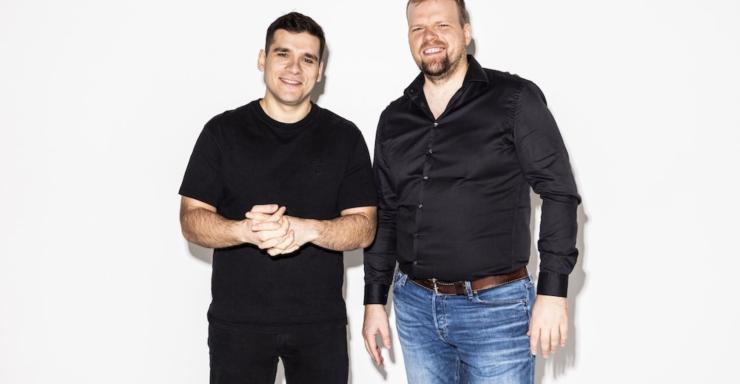
On Friday, 21 August, Ambassador Extraordinary and Plenipotentiary of the Republic of Latvia to the United Nations and other international organisations in Geneva, Ivars Pundurs, presented the Director-General of the European Organization for Nuclear Research (CERN) and Secretary of the CERN Council, Professor Mark Thomson, with a letter from the Ministry of Education and Science, approved by the Cabinet of Ministers, confirming Latvia’s intention to become a full member of CERN.
The letter submitted to the CERN Council on 21 August calls for an assessment of the possibility of granting Latvia pre-stage associate membership status. Latvia has been an associate member of CERN since 2021. This cooperation has already delivered significant benefits for the development of Latvian science, higher education and human capital, while also promoting the involvement of Latvian researchers, students and companies in international science and technology projects.
“Science is a driving force behind Latvia’s growth and global competitiveness. Full membership of CERN is an opportunity for Latvia to join the world’s scientific elite. It will open doors for our students and researchers to work side by side with leading scientists from around the world and gain access to unique, world-class research infrastructure. This is an investment in human capital that will help develop Latvian talent, attract internationally recognised researchers and create new knowledge-intensive industries. By strengthening scientific excellence in Latvia, we are laying the foundations for bold ideas to evolve into high-value technologies, innovations and growth across the entire economy,” emphasises Ilze Indriksone, Minister of Education and Science.
Latvia first expressed its intention to become a full member of CERN in 2017. Kārlis Dreimanis, Associate Professor at Riga Technical University and Head of the CERN National Contact Point in Latvia, emphasises: “Becoming a full CERN member cannot be taken for granted. To achieve this, Latvia must demonstrate its ability to create significant added value for CERN’s scientific programme. Therefore, becoming a full CERN member would be a strong and recognisable mark of quality for Latvia’s science universities and for the country as a whole.”
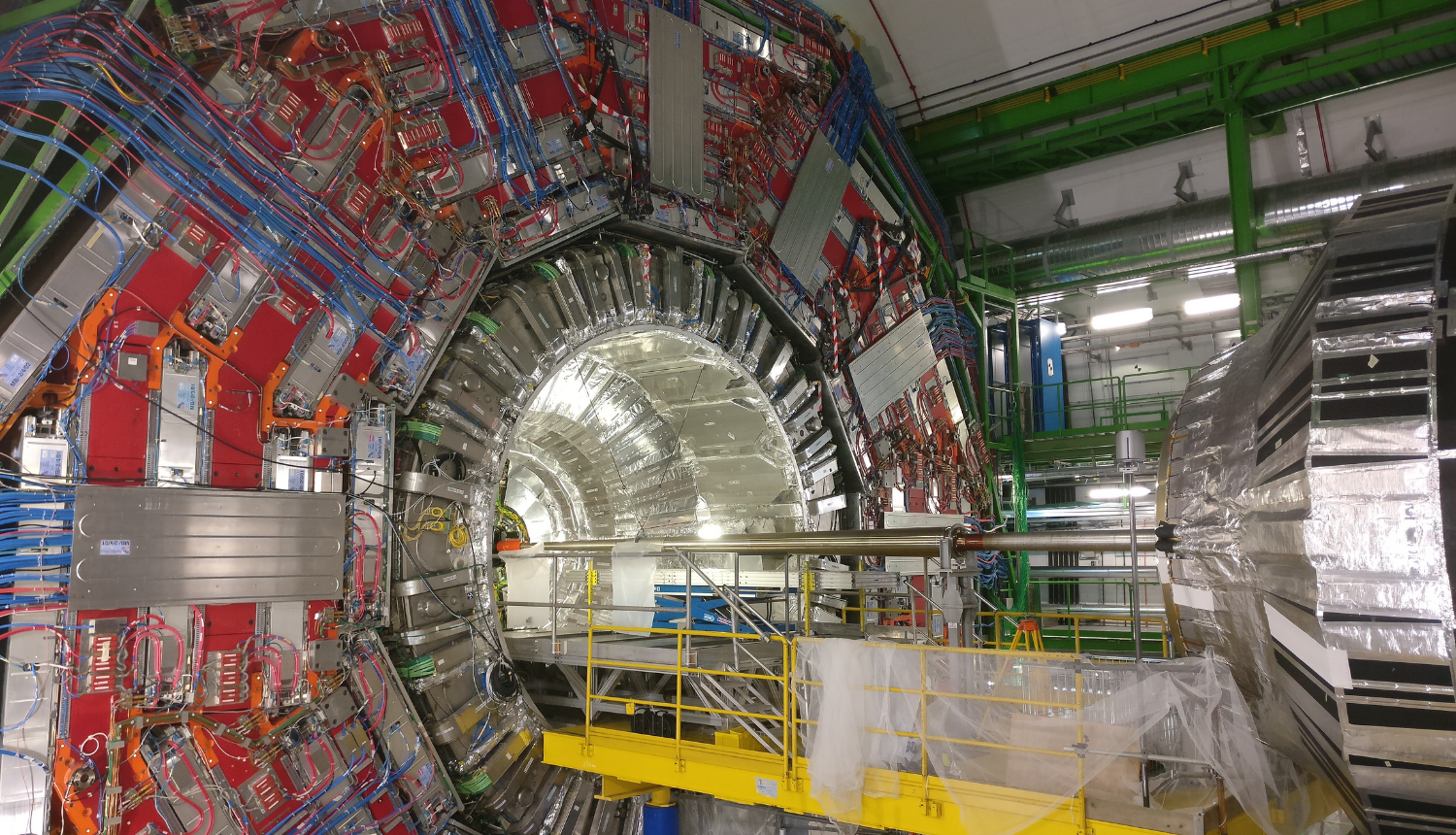
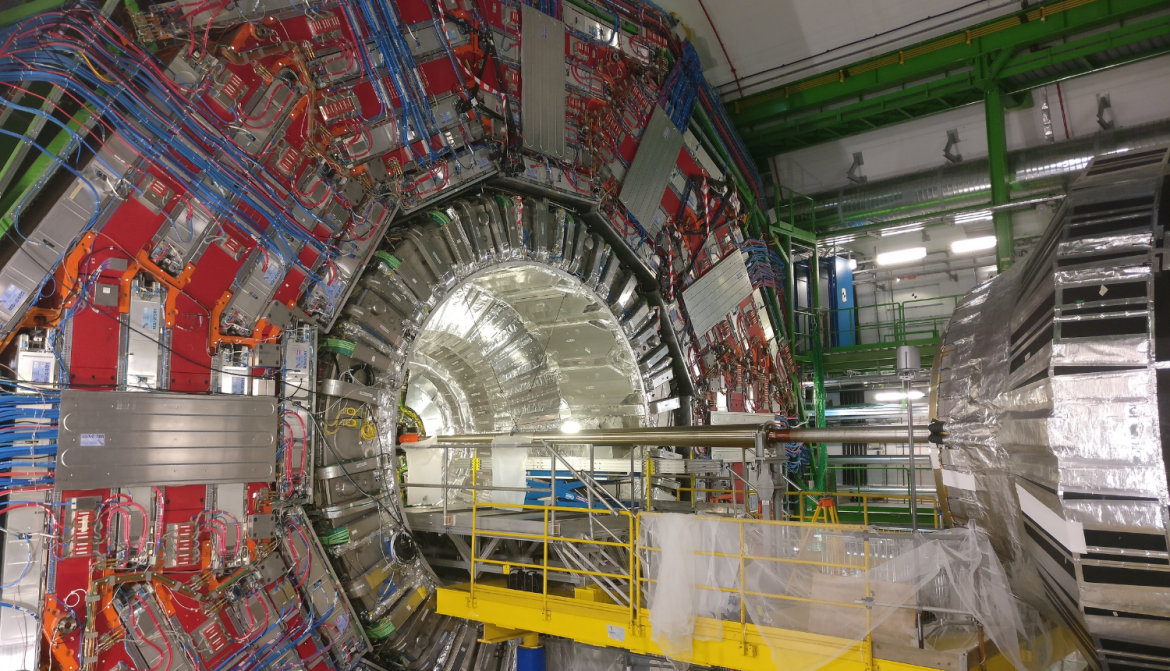
CERN offers scientists access to truly unique scientific infrastructure, including the Large Hadron Collider (LHC) and its experiments. Latvian students, doctoral students and researchers participate in CERN programmes, while Riga Technical University and the University of Latvia jointly implement a doctoral study programme in particle physics and accelerator technologies. Latvian companies have also become involved in CERN collaboration projects. Latvia also participates in international cooperation networks focused on the development of future accelerators.
For Latvia, full CERN membership would mean broader opportunities to use the organisation’s scientific infrastructure, participate in international research projects and take part in CERN procurement. As a full member, Latvia would also gain voting rights in the CERN Council and the opportunity to fully participate in the organisation’s strategic decision-making.
The CERN Council has been invited to consider the matter as soon as possible. Following a positive assessment, Latvia’s next step would be to become an associate member in the pre-stage to membership. By continuing to demonstrate the growth of its national fundamental research capacity, Latvia could potentially become a full CERN member as early as 2030.
The letter outlining Latvia’s progress towards becoming a full member of the European Organization for Nuclear Research (CERN) is available on the TAP Portal [LV] .