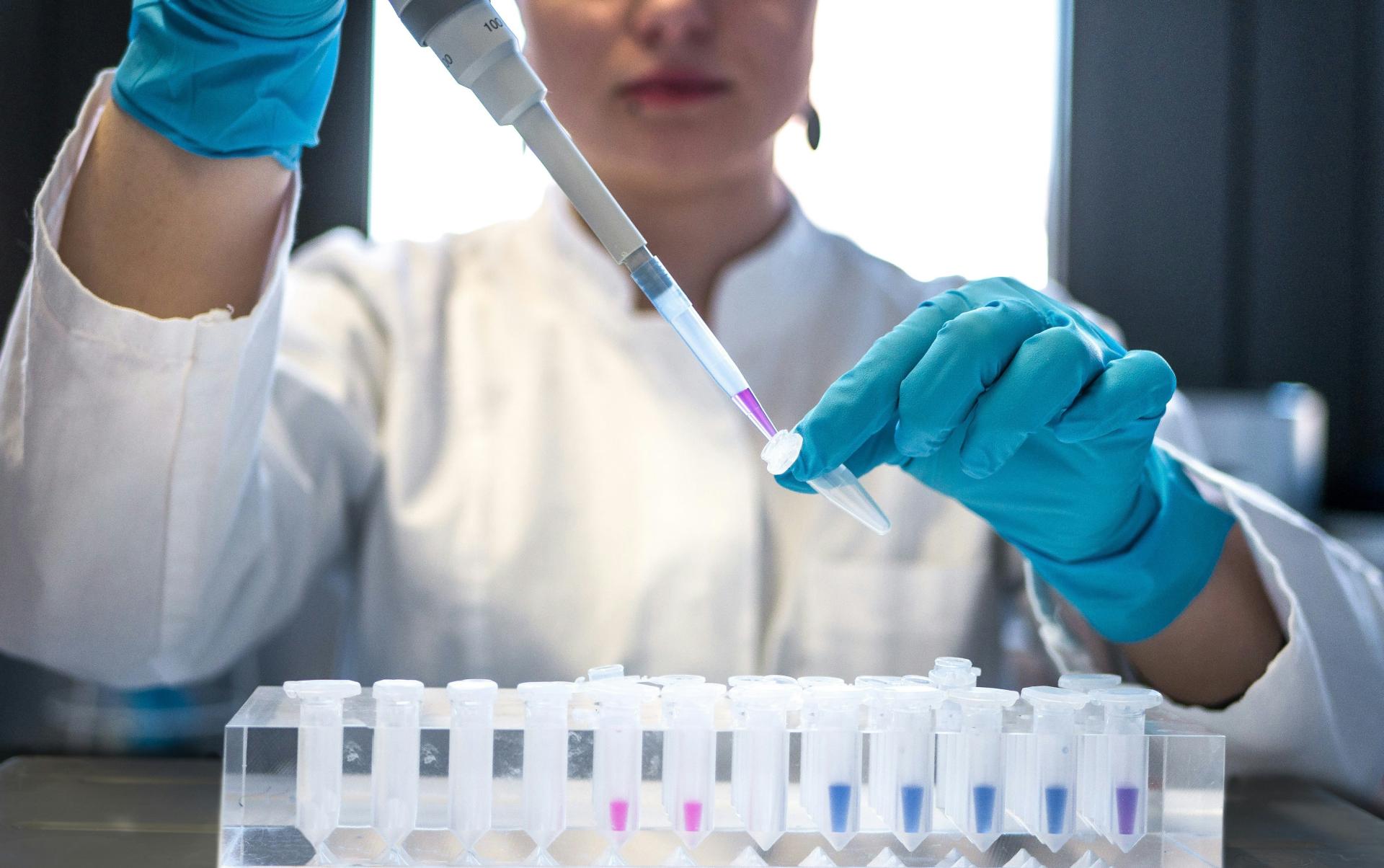
On Tuesday, 14 July, the Cabinet of Ministers approved a new regulation that will create a clear and modern legal framework for the transfer of scientific results to the national economy, promoting the development of innovation, cooperation with companies and more effective use of the value created by publicly funded research. This is provided for by the regulations approved by the government.
Until now, Latvia did not have such unified regulation determining how state scientific institutions can commercialise know-how, technologies and inventions created as a result of publicly funded research or make investments in new and existing companies. This created legal uncertainty and hindered technology transfer from laboratories to the business environment.
“The new regulation creates a system that will allow state scientific institutions to commercialise their research results more actively, taking into account the specific characteristics and needs of each institution. This is an important step towards ensuring that public investment in science makes an even greater contribution to Latvia’s economy, competitiveness and the well-being of residents,” explains Minister for Education and Science Ilze Indriksone.
The new regulations provide that each state scientific institution will have to establish a clear internal procedure for the management and commercialisation of intellectual property. Institutions will determine the principles for assessing commercialisation potential, decision-making, risk management and the payment of remuneration. A requirement is also provided to document commercialisation processes and ensure their transparency.
The regulation sets out three main forms of commercialisation — licensing, transfer of rights, or joint use of rights by investing in the share capital of companies or establishing a joint venture. This will allow scientific institutions to choose the development model most suitable for the specific invention or technology, while observing the principles of efficient use of public funds and European Union state aid regulation.
An important part of the regulation is also strengthening researchers’ motivation. The regulations provide that employees of scientific institutions whose intellectual results are successfully commercialised have the right to receive fair remuneration from the income generated. This will promote researchers’ involvement in creating innovations and support the transfer of scientific achievements into practical application.
At the same time, the regulation introduces principles for investment risk assessment and management, allowing scientific institutions to invest in high-potential innovation projects, including start-ups at an early stage of development. This approach is based on international practice and promotes the development of knowledge-intensive companies in Latvia.
The new regulation is expected to improve cooperation between the scientific and business sectors, promote the creation of start-ups, increase the economic return of publicly funded research and foster the development of innovation in sectors such as information and communication technologies, healthcare, biotechnology, agriculture and education.
The approved draft regulations “Regulations on the Economic Use of Know-How, Technologies and Inventions of State Scientific Institutions, Investment Assessment, Risk Tolerance and Determination of Remuneration” are available on the Cabinet of Ministers website.